

Could the Satun Archipelago be the next sea destination of Thailand? With its crystal-clear waters, unspoiled islands, and authentic cultural heritage, this southern Thai destination is quietly stepping into the global spotlight. Recognised as Thailand’s first UNESCO Global Geopark, Satun offers a perfect escape for eco-conscious travellers who crave tranquillity, raw natural beauty, and a deeper connection to local culture.
What Makes the Satun Archipelago Unique?
 Located in Thailand’s southernmost province near the Malaysian border, the Satun Archipelago is a collection of around 50 islands protected under Tarutao National Marine Park. Unlike bustling Phuket, Satun remains untouched by mass tourism, making it ideal for those seeking serenity and sustainable travel experiences.
The islands are known for:
-
Turquoise waters and vibrant coral reefs
-
World-class snorkelling and diving spots
-
Secluded beaches and hidden coves
-
Friendly fishing communities and authentic local cuisine
The archipelago’s most popular island, Koh Lipe, charms visitors with laid-back beach vibes, lively walking streets, and some of Thailand’s most stunning sunsets. Yet just a short boat ride away, islands like Koh Adang and Koh Rawi promise rugged natural beauty, hiking trails, and quiet seclusion.

Koh Tarutao
For history buffs, Koh Tarutao stands out with its fascinating past as a former prison island. Today, it is part of the national park and offers adventurous activities like kayaking, wildlife watching, and trekking through untouched wilderness. Another hidden gem, Koh Bulon Lae, is celebrated for its rustic bungalows, swaying palms, and soft white sand.
A UNESCO Global Geopark
Satun’s international recognition as a UNESCO Global Geopark highlights its exceptional geological and cultural heritage. This status not only protects the environment but also promotes low-impact tourism—ensuring that travellers can enjoy the islands while contributing to their preservation.
Highlights include:
-
Tarutao National Park – limestone cliffs, sea caves, dense forests, and remote islands for kayaking, snorkelling, and hiking.
-
Thale Ban National Park (on the mainland) – a peaceful lagoon, cascading waterfalls, and birdwatching trails against a mountain backdrop.
This recognition positions Satun as more than a beach destination—it’s a model for sustainable tourism in Thailand.
Why Choose Satun?
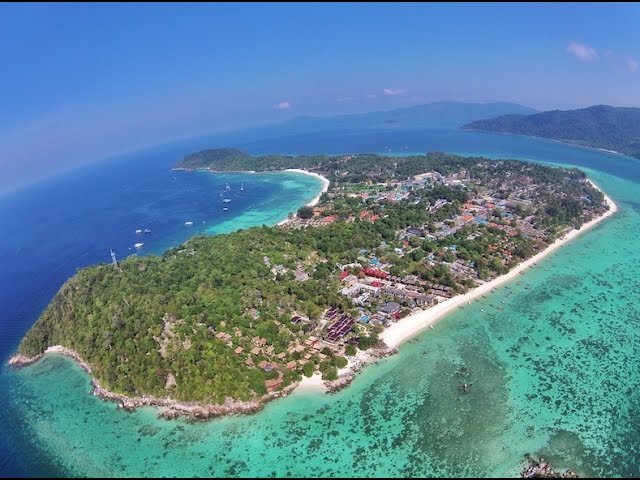
Koh Lipe
While other sea destinations in Thailand dazzle with luxury resorts, nightlife, and international crowds, Satun offers:
-
Tranquility – fewer tourists, more privacy.
-
Eco-experiences – authentic cultural immersion and conservation-based activities.
-
Unique culture – Satun’s predominantly Muslim community adds diversity to local traditions, cuisine, and hospitality.
-
Easy access – improved infrastructure, including a cross-border tourism route with Langkawi, Malaysia, makes Satun more connected than ever.
For travellers who want Thailand’s beauty without the chaos, Satun is a refreshing alternative.
Best Time to Visit
-
Dry season (November – April): Ideal for island-hopping, snorkelling, and beach activities.
-
Monsoon season (May – October): Heavy rains and rough seas limit boat travel. Many marine parks, including Koh Tarutao and Koh Phetra, close from 16 May to 15 November for conservation.
Where to Stay in the Satun Archipelago
 From eco-friendly bungalows to stylish boutique resorts, Satun offers accommodation that balances comfort with sustainability.
-
Koh Lipe – The most developed island, featuring beachfront resorts and boutique hotels along Sunrise Beach and Pattaya Beach.
-
Koh Bulon Lae – Rustic bamboo bungalows and family-run guesthouses for those seeking simplicity.
-
Koh Adang – Basic camping and park accommodations for adventurous travellers looking to immerse in nature.
Satun Archipelago: Thailand’s Rising Eco-Destination
With its pristine beaches, rich biodiversity, and authentic cultural heritage, the Satun Archipelago is quickly becoming a must-visit for those seeking a quieter, greener alternative to Phuket. Whether you’re snorkelling among coral reefs, trekking through lush forests, or watching the sunset on a remote beach, Satun promises an unforgettable Thai island experience.
For eco-conscious travellers, Satun is more than a destination—it’s a vision of Thailand’s sustainable tourism future.


