
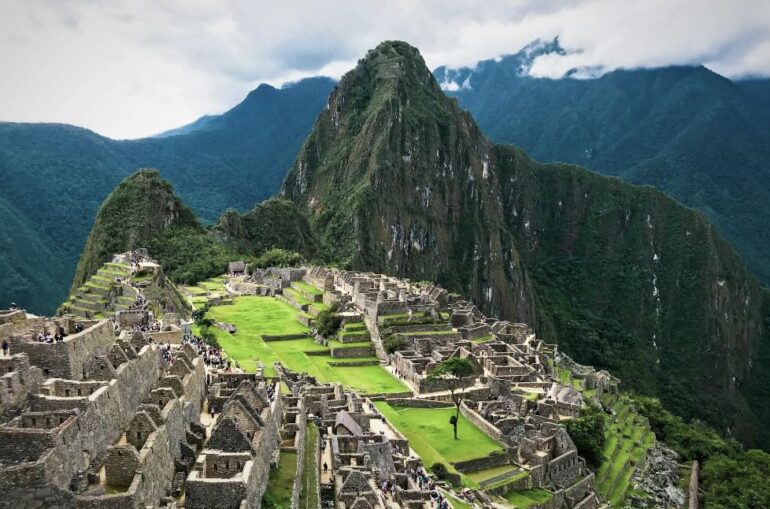
For many travelers in Asia, Machu Picchu feels very far away. It’s not the kind of trip you casually squeeze into a long weekend like Bangkok or Bali. You’re crossing continents, changing time zones, and heading into the Andes Mountains at serious altitude.
However, once you finally stand above those stone terraces with the clouds moving through the peaks, the long journey makes sense almost immediately. The biggest mistake first-time visitors make is underestimating the planning. That is why we’ve written this piece to reveal what you should know before visiting Machu Picchu.
Plan Your Flights and Tickets Early
how to visit Machu Picchu from Asia
Most Asian travelers reach Peru through long-haul routes connecting in cities like Doha, Dubai, Paris, Amsterdam, or major US hubs. From Lima, you’ll still need a domestic flight to Cusco, which is the starting point for most Machu Picchu trips.
Entrance tickets often sell out weeks or even months ahead, especially during the dry season between April and October. Train seats can quickly get filled up as well. Before booking trains and entry tickets, it helps to understand how to travel to Machu Picchu and how the different routes connect from Cusco to Aguas Calientes.
That part confused me the first time I looked into it. You can’t simply drive to the ruins. Most travelers go from Cusco to Ollantaytambo by road, then continue by train to Aguas Calientes before taking a shuttle bus or hiking up to the site itself.
Don’t Ignore the Altitude
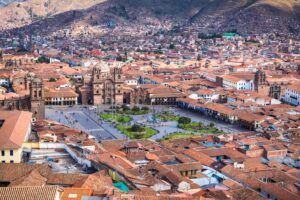
Cusco, capital of the Andes
Cusco sits at around 3,400 meters above sea level, which means you will feel it. Even travelers used to mountain destinations in Nepal or northern Vietnam sometimes struggle during the first couple of days.
Headaches, dizziness, and fatigue are common. Local coca tea helps some people, while others prefer altitude medication prescribed before the trip. A smarter move is to slow down for 48 hours after arriving in Cusco. Don’t schedule Machu Picchu immediately after landing. Your body will thank you for it later.
Cusco or Sacred Valley?
A lot of travelers stay in Cusco because it’s lively, historic, and full of hotels and restaurants. But some prefer spending a night or two in the Sacred Valley towns like Ollantaytambo before visiting Machu Picchu.
Honestly, Ollantaytambo makes the trip feel less rushed. The train station is nearby, the altitude is lower than Cusco, and the town itself has a quieter atmosphere. Stone streets, local markets, small cafés make the valley feel calmer before the crowds arrive.
Train or Hike?
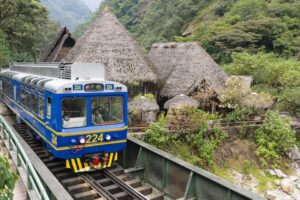
train route from Ollantaytambo to Aguas Calientes
Not everyone wants the same experience. Some travelers hike the Inca Trail over several days. Others simply want the scenic train ride through the mountains. Neither option is wrong.
The train route from Ollantaytambo to Aguas Calientes is beautiful on its own. Huge windows, river views, steep green mountains, tiny villages tucked into the valley. Even people who normally dislike trains end up enjoying this part. If you go hiking, pack light. Machu Picchu has strict bag size rules, and the weather changes quickly. One moment it’s sunny, the next it’s raining sideways.
Endnote
Machu Picchu is one of those destinations that can feel overwhelming during the planning stage. You have to deal with flights, trains, entry slots, altitude, and weather, all at the same time. Once you settle into the rhythm of the trip, Peru becomes surprisingly easy to love just like one would love Bali. The mountains are huge, the history feels alive, and even the train ride into Aguas Calientes becomes part of the memory.


