
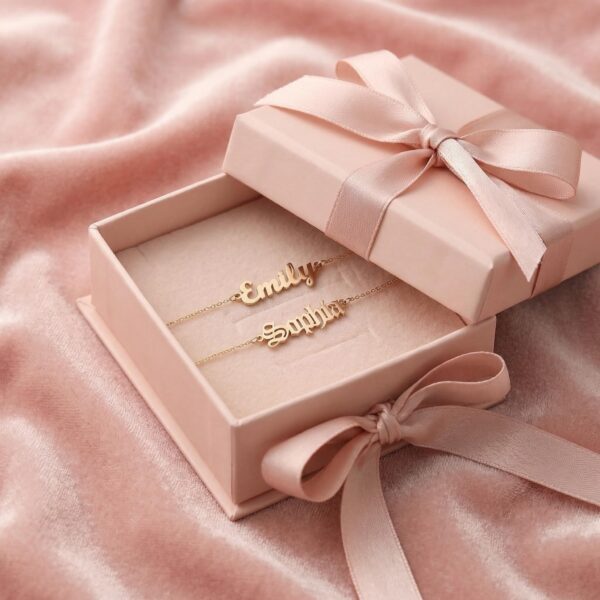
I’ve spent more money than I care to admit on jewellery I’ve never worn. Not expensive jewellery — that’s the thing. It’s always the cheap stuff that accumulates. A gold-toned chain that looked effortless on a model and arrived looking like something from a party favor bag. A pair of earrings that turned my ears green within two weeks. An anklet from a summer festival that lasted roughly until the end of that same summer. None of it was a serious purchase, which is exactly why none of it got treated seriously — and why all of it ended up in the trash eventually.
The funny thing is, I’d already made the mental shift with clothes. I’d stopped panic-buying fast fashion, started paying more attention to what things were actually made from, started asking whether I’d still want something in three years. That thinking had genuinely changed how I shopped — just not, apparently, for accessories. Jewelry was still an impulse category. Still a “it’s only $9, why not” situation.
I don’t think I’m unusual in this. Most people apply completely different standards to jewelry than to the rest of their wardrobe, even when they’ve otherwise bought into the idea of buying less and buying better. And if you’re looking for a place to reset that habit, custom name anklets for women are — genuinely — a surprisingly good starting point. Small investment. High meaning. The kind of piece that doesn’t end up forgotten in a drawer six weeks later.
The Jewelry Category Nobody Has Fixed Yet
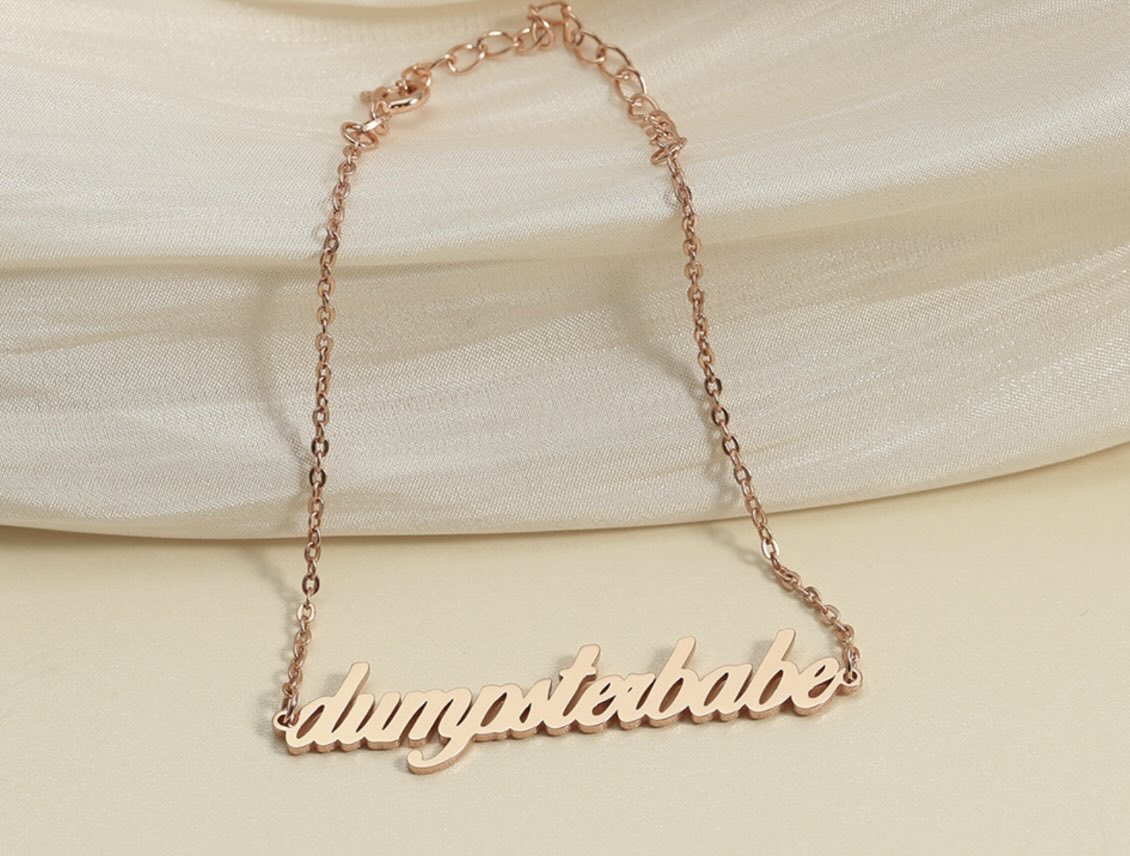
Custom name anklets for women
Here’s the problem with cheap jewelry that we tend not to articulate: it’s not actually cheap. Not when you factor in how often you replace it.
A $10 plated anklet that you buy three summers in a row costs $30 and produces three rounds of packaging waste, three rounds of shipping, and three pieces of metal-alloy jewelry that will eventually end up in a landfill. A well-made sterling silver or gold vermeil anklet that you buy once, care for properly, and wear for ten years costs more upfront and practically nothing in the long run — financially or environmentally.
This is obvious logic. It’s the same logic we apply to shoes, to coats, to most things we’ve stopped treating as disposable. For some reason jewelry escapes the same scrutiny. Maybe because the price points feel low. Maybe because we’ve been trained to think of accessories as seasonal rather than lasting.
Either way, it’s worth reconsidering. Especially when the alternative — a piece made specifically for you, from real materials, that has actual reasons to exist — is more accessible than it used to be.
Why Anklets Are the Most Underrated Category in Jewelry
There’s something specific about ankle jewelry that I think gets missed in most conversations about accessories.
It’s intimate in a way that other jewelry isn’t. A necklace sits where everyone can see it. Earrings frame your face in photographs. But an anklet sits low, half-visible, close to the ground — often only noticed by you and by people who are genuinely near you. You’re not wearing it for a room. You’re wearing it for yourself, or for someone close enough to notice.
That changes what it means to personalize one.
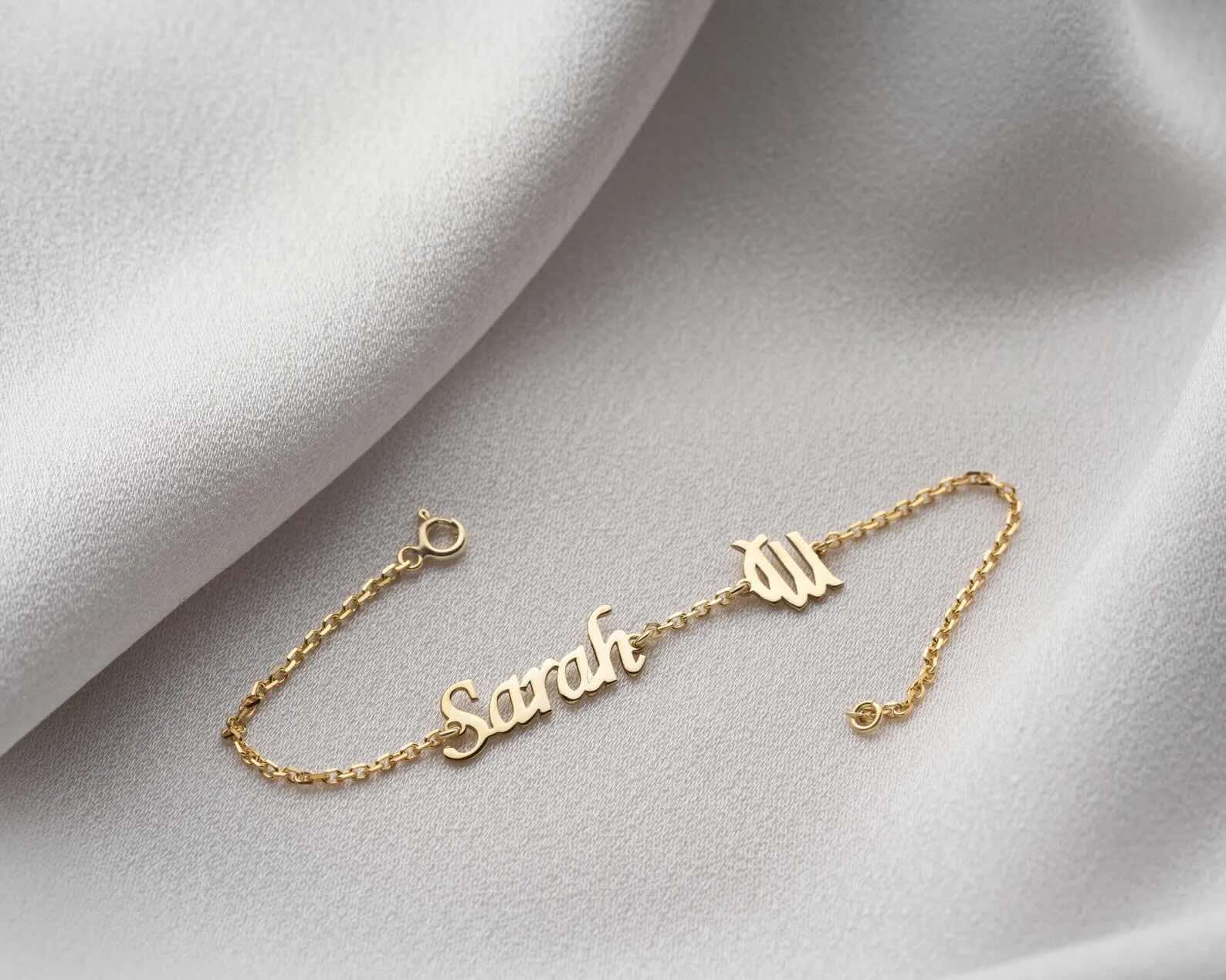
You choose your metal — gold, rose gold, or silver — and the piece is made to order
A name or an initial on a necklace is a statement. The same detail on an anklet is quieter than that — more private, more personal. A piece that refers to someone specific, or to a moment, or simply to your own name worn close to the skin. It’s the difference between jewelry that performs and jewelry that means something.
What Makes a Custom Name Anklet Different From Everything Else in Your Jewelry Box
This is the part I want to be specific about, because I think it matters. A generic anklet — even a nice one — is a generic anklet. It’s the same piece sitting in someone else’s jewelry box too. When you buy something personalized, especially something with your actual name on it, it stops being interchangeable with anything else. It’s yours in a way that most jewelry simply isn’t.
The custom name anklet from Custom Anklets is a good example of what this looks like when it’s done properly. You choose your metal — gold, rose gold, or silver — and the piece is made to order with your name rendered in a style that suits the delicacy of the chain. The materials are tarnish-resistant and built for daily wear, not for special occasions only. The chain is adjustable, which matters more than most people expect — ankles vary a lot, and an anklet that’s even slightly too tight becomes something you stop wearing pretty quickly.
What stands out is the combination of things it gets right at once: it looks genuinely elegant rather than novelty-personalized, it’s made from quality materials rather than the plated zinc alloy that most budget jewelry uses, and it has a reason to exist beyond filling a gap in a trend cycle. You order it because you — or someone you love — has a name. Which is not a trend. It doesn’t date.
That last part is underrated. Most jewelry trends look slightly off within five years. A name anklet on a clean gold chain looks exactly as good in 2030 as it does now. Timelessness in jewelry almost always comes from simplicity and personalization rather than heavy ornamentation, and this piece gets that balance right.
The Practical Side: What to Look For Before You Buy
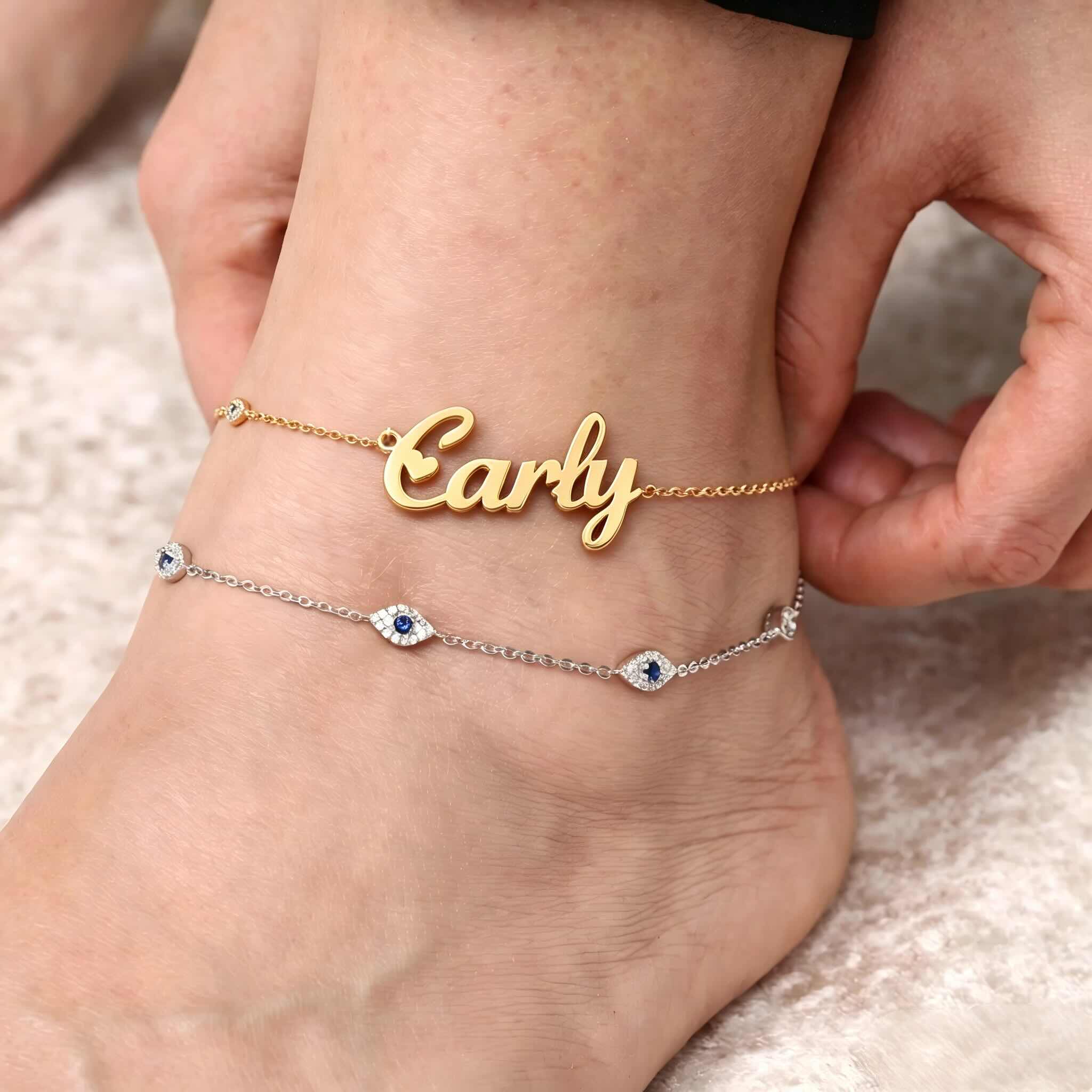
Adjustable length matters enormously
If you’re shopping for an anklet — custom or otherwise — a few things are genuinely worth checking.
Metal quality is non-negotiable if you want it to last. Sterling silver, 18k gold plating over a quality base, or solid gold are your options for pieces that won’t tarnish embarrassingly fast or irritate your skin. If a product description is vague about what the metal actually is, that’s usually a red flag.
Adjustable length matters enormously. This is the thing most people don’t think about until they’ve bought an anklet that doesn’t fit. Standard bracelet sizing is too small for most ankles. A good anklet should have at least an inch of adjustment built in, ideally more.
For custom pieces, check the engraving quality. Names and lettering should be crisp and clean — not a faint stamp that’s already fading. A maker who specializes in personalized ankle jewelry will have better quality control here than a general retailer offering personalization as a last-minute add-on.
Gifting timeline. Custom pieces are made to order, which means they take longer than something sitting in a warehouse. If you’re buying for a birthday or holiday, check the processing and shipping times before you order. Custom Anklets ships worldwide with free shipping, and the timeline is clearly stated — which makes gifting a lot less stressful than scrambling for two-day delivery on something generic.
A Small Thing That Actually Sticks
Most jewelry decisions don’t feel significant in the moment. That’s by design — the fast fashion version of accessories is built on impulse, not reflection.
The shift toward buying one thing made specifically for you, from real materials, that carries a name or a date that refers to something real — that’s a different kind of decision. Not a grand gesture. Just a more considered one.
And there’s something that happens with jewelry like this that doesn’t happen with the impulse-buy version: you actually wear it. Consistently. Without thinking about it. It becomes part of how you move through the world, quietly and without any particular announcement. Which, honestly, is what the best jewelry always does.
The anklet sitting half-hidden above your sandal strap, with your name in gold on a fine chain — nobody needs to notice it for it to be worth wearing. That’s the whole point.


