
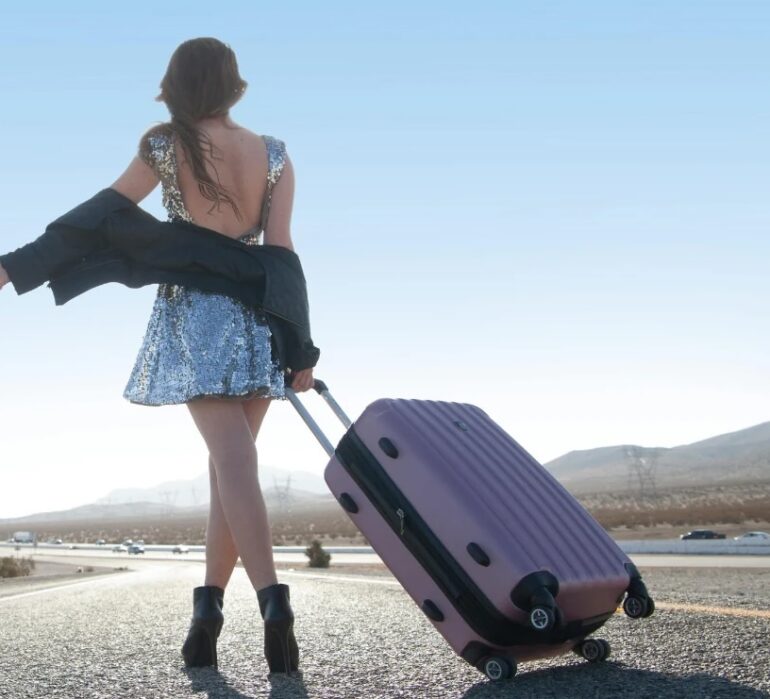
Travel across Asia requires flexibility, mobility, and efficient storage. Different travel scenarios such as urban transit, rural exploration, and multi-country movement demand specific types of bags. Selecting the right bag type improves comfort, reduces fatigue, and ensures accessibility of essential items.
Below are the most effective travel bag options based on function and usage.
Backpacks for Mobility and Hands-Free Travel
Backpacks remain the most practical choice for travelers moving frequently between locations. They allow hands-free navigation through crowded streets, public transport systems, and uneven terrain.
High-performance options such as 5.11 backpacks are designed with structured support systems, including padded straps and load-distribution features. These designs reduce strain during long periods of wear.
Backpacks are ideal for:
- Multi-city travel with frequent movement
- Navigating dense urban areas
- Carrying moderate loads over long distances
They provide the best balance between capacity and mobility.
Carry-On Travel Packs for Short to Medium Trips
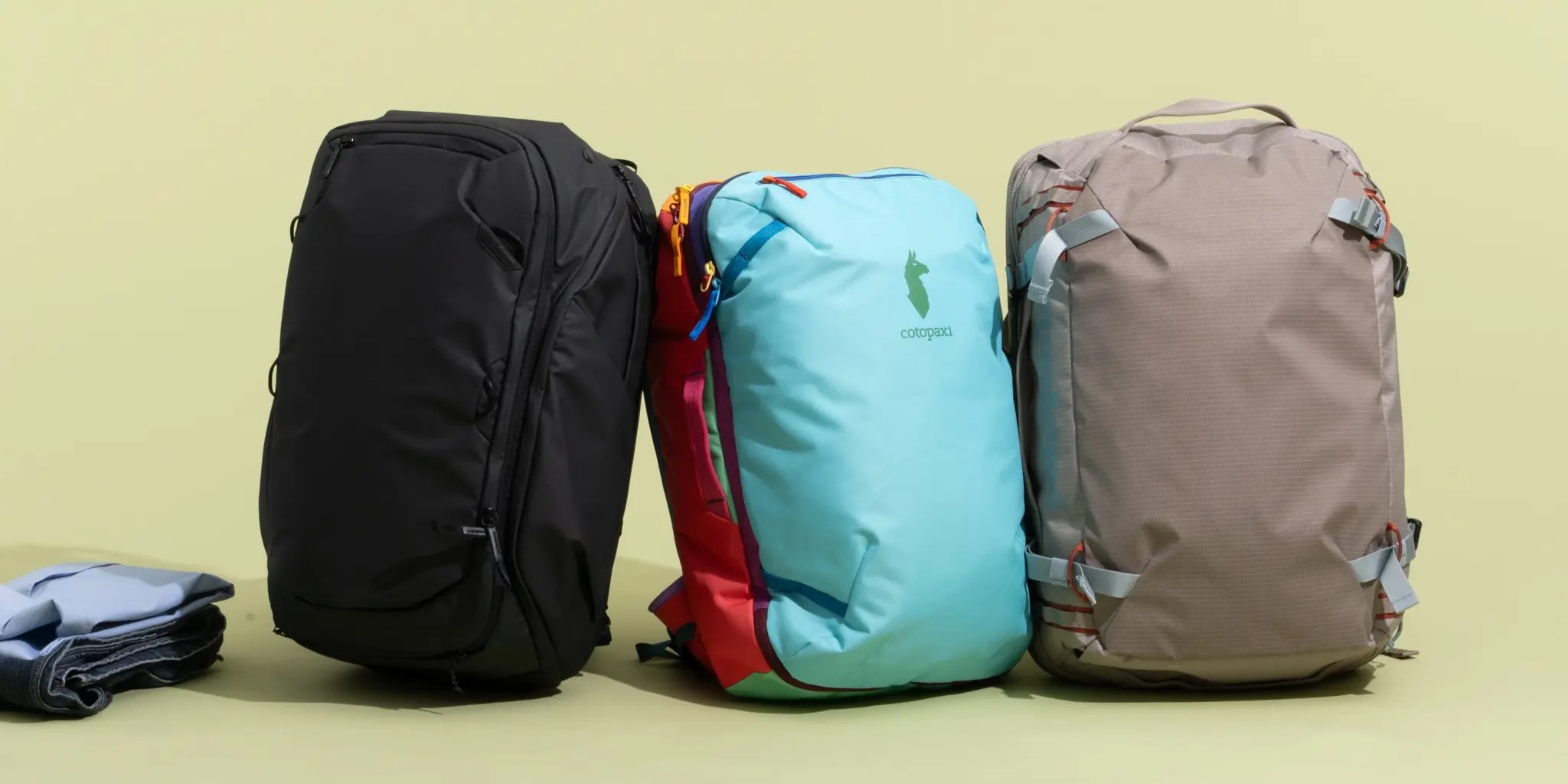
Carry-On Travel Packs – Best travel bags for Asia
Carry-on travel packs are designed to meet airline size restrictions while maximizing internal storage. These bags combine the structure of a suitcase with the portability of a backpack.
They typically open in a clamshell format, allowing full access to contents. Internal compartments help separate clothing, electronics, and documents.
Carry-on packs are effective for:
- Trips lasting several days to two weeks
- Travelers avoiding checked luggage
- Efficient packing with quick airport transitions
This type of bag reduces delays and improves control over belongings.
Duffel Bags for Flexible Storage
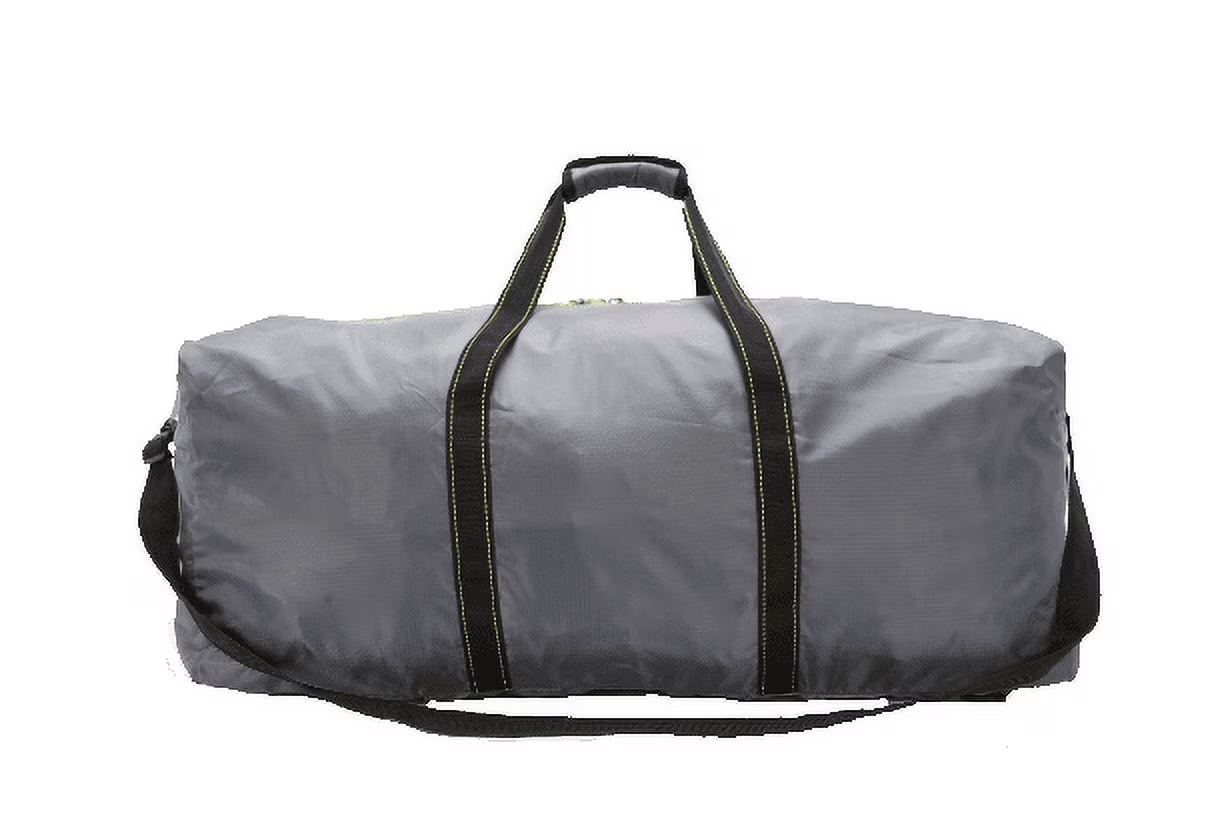
Duffel Bags for Flexible Storage
Duffel bags provide large, open storage areas without rigid compartments. This makes them suitable for packing irregularly shaped items or bulkier gear.
Modern duffels often include shoulder straps or backpack-style conversions for easier transport. However, they are less efficient for long-distance carrying compared to structured backpacks.
Duffel bags work best for:
- Short trips with minimal organization needs
- Transporting sports or specialty equipment
- Situations where flexibility in packing is required
They prioritize capacity over structured organization.
Daypacks for Daily Exploration
Daypacks are smaller backpacks designed for short excursions. They are used to carry essentials such as water, documents, and personal items while leaving main luggage at accommodations.
Lightweight construction and compact size make them easy to carry throughout the day. Many models include hydration compatibility and quick-access compartments.
Daypacks are suitable for:
- City exploration and sightseeing
- Day trips from a central location
- Carrying minimal gear without bulk
They complement larger travel bags rather than replace them.
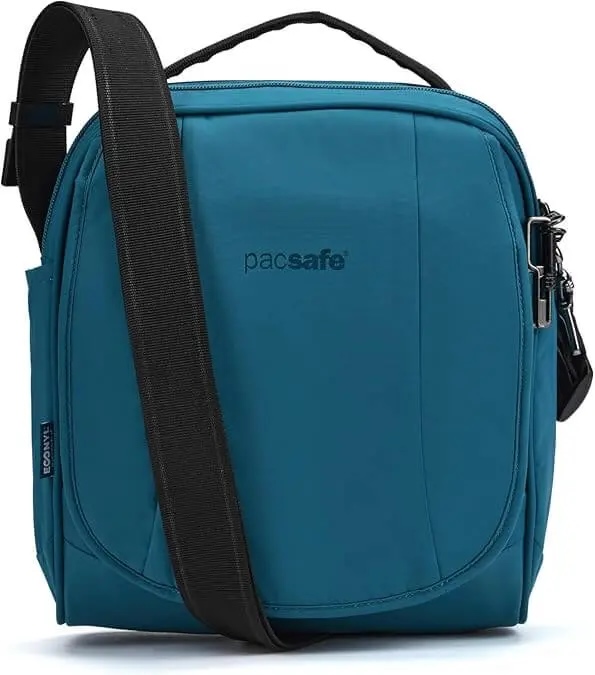
Anti-Theft Bags for Urban Environments
Urban travel in busy areas requires additional security. Anti-theft bags incorporate features such as lockable zippers, hidden compartments, and reinforced materials.
These bags are designed to reduce the risk of theft in crowded environments such as markets, transit stations, and tourist areas.
Key advantages include:
- Protection of valuables such as passports and electronics
- Reduced risk of unauthorized access
- Increased confidence in high-traffic locations
Security-focused bags are particularly useful in major cities.
Rolling Suitcases for Structured Transport
Rolling suitcases provide structured storage and ease of movement in environments with smooth surfaces. They are ideal for airport travel and short-distance transfers.
However, they are less practical in areas with uneven terrain, stairs, or limited infrastructure.
Rolling luggage is best for:
- Business travel or structured itineraries
- Destinations with developed infrastructure
- Situations requiring formal or organized packing
They prioritize organization and ease of transport over adaptability.
Modular Travel Systems for Versatility
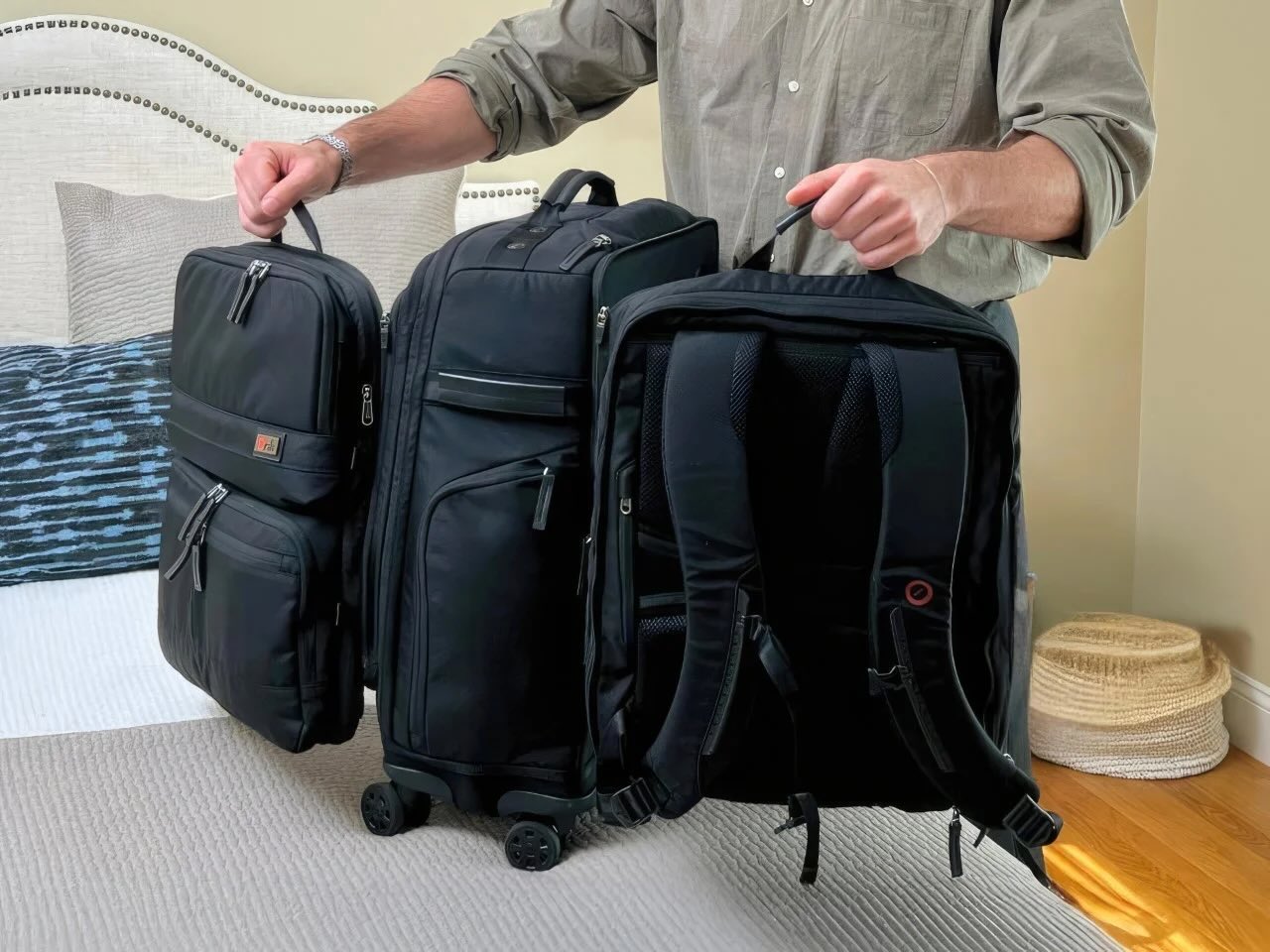
Modular Travel Systems for Versatility
Some travelers use a combination of bags to create a modular system. For example, a main backpack combined with a detachable daypack allows flexibility across different activities.
This approach separates storage based on usage, improving efficiency and reducing the need to carry all items at once.
Modular systems are effective for:
- Long-term travel with varied activities
- Balancing storage and daily mobility
- Adapting to different environments
Flexibility is the primary advantage of this setup.
Personal Identification for Travel Efficiency
Travel bags are frequently handled in shared environments, increasing the risk of confusion or misplacement. Adding identifiers improves recognition and reduces delays.
Items such as personalized keychains can be attached to zippers or handles. These provide a quick visual marker that distinguishes your bag from others.
Identification features support:
- Faster retrieval in crowded storage areas
- Reduced risk of accidental mix-ups
- Improved organization during transit
Simple additions can significantly improve efficiency.
Selecting the Right Combination for Your Trip
Anti-Theft Bags for Urban Environments
No single bag type fits all travel scenarios. The most effective approach is selecting a combination based on trip length, destinations, and mobility requirements.
For example, a backpack paired with a daypack provides both storage and flexibility. A carry-on pack combined with a small accessory bag supports efficient air travel.
The goal is to match bag type with travel conditions rather than relying on a single solution.
Choosing the right travel bag for exploring Asia involves understanding how different bag types perform in real conditions. Backpacks, carry-on packs, duffels, and daypacks each serve specific roles. By selecting the appropriate combination and incorporating identification features, travelers can maintain comfort, organization, and efficiency throughout their journey.


