

In Bali, sound is not something you can shut out. Sound enters through the thin doors, the cracks in the wood, the spaces between walls and roof. Noise weaves itself through rafters and window frames, it clings to the walls like dupa, the incense of rituals. The soundscape is vast, without edge.
Try to keep the sound out – by closing warped wooden doors, latch windows made of little more than a thin frame and a single pane of glass. But nothing closes here completely. No seal is airtight. The house breathes—through the gentle space where light and noise slip in like wandering spirits.

In order to establish territory, roosters sing continuously.
At first, one tries to keep it out—the rooster’s crow to establish territory, the deep hammering chants of bullfrogs,
the high, metallic cry of crickets in heat, the territorial disputes of stray dogs. But nothing in Bali is built to be closed. Even the best-built houses do not block out the environment they are in, but permeate the sound of Bali.
In a “western world” far away from Bali, privacy is sacred, where the ideal home is a sealed fortress of temperature control and personal space. There, silence is built with double glazing, thick carpets, and doors that lock not just sound, but the world itself, out.
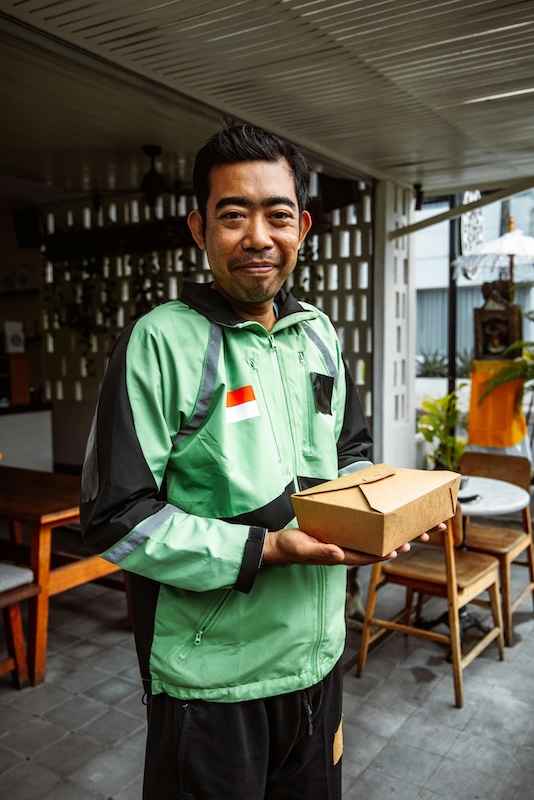
A delivery man in Bali
There, individuality is a virtue—a lifestyle, even. We cultivate solitude. We make appointments to meet. We schedule connection. Noise is disturbance, uninvited presence, a trespass on the self. Here—closer to the equator—life is a permeable membrane. Boundaries are porous.
A voice, suddenly at my door: “Hello?”
And there, already standing in the open doorway, a neighbor, a delivery man, a stranger with a question, that cannot remain unattended. And sometimes it is me who is calling my friend’s name to share a thought, but she is already gone, having slipped barefoot through the same open door that lets the world in.
Even inside your home, you are never entirely alone. You are part of something, whether you like it or not. The sound of a motorbike offers information: someone is arriving, someone is leaving

Heavy rain in Bali
The RAIN announces itself -long before it touches the earth. You hear the wall of downpour coming closer, feel it rolling in through the trees like a growing drumbeat—and then it’s upon you. It drowns out the roosters, the frogs, the dogs and even your thoughts if you let it. This rain is not a disruption. It’s the cleansing voice of the earth, reminding you: You’re not in control. Give up on your plan for the moment, or the whole day.
That’s the truth of life in this place. You cannot close the door on the world because the world is permeating. It took effort—yes. It took maybe years, to stop resisting the world as it poured in through the thin windows of my house.
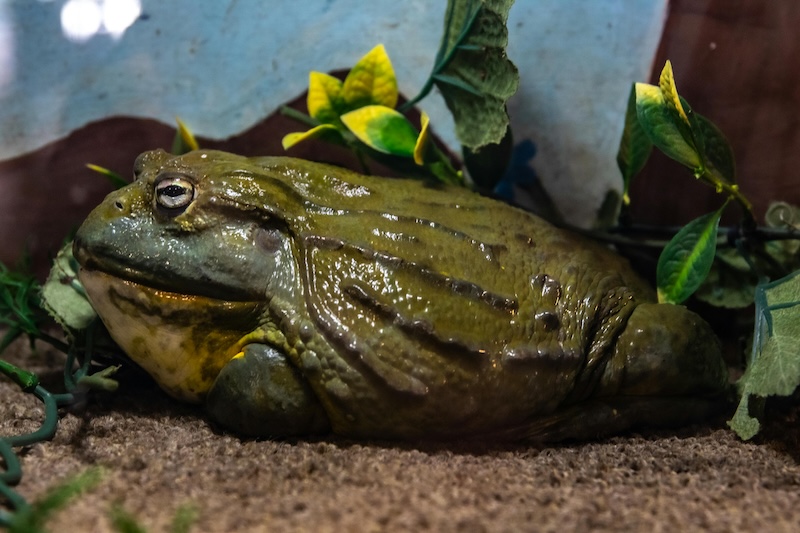
Bullfrogs have a deep hammering chant
Instead, I began to listen. To the tropical, natural sounds in the distance. To the ceremonies rising in chorus from a nearby temple. To the old woman sweeping her courtyard at dawn, rhythmically, patiently, as if brushing yesterday from the earth.
In the tropics, life is a shared event. Sound is a companion.
Not all of it pleasant, but all of it is shared.
Bali is not only full of people, it is brimming—overflowing—with sound
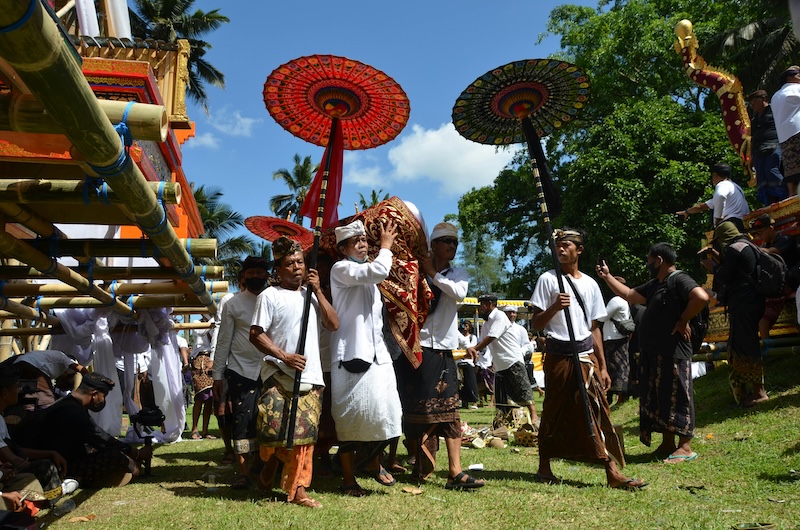
A noisy ceremony
There is no mute button.
There is no pause.
It took effort to stop fighting, and start listening.
That process is similar to refining the musical senses, the ear for tones and overtones, .
By listening to the spaces in between notes we hear sounds that are present. Not produced by instruments (or by roosters and street sellers) – but are part of the brimming ever-present sound of the island.


