
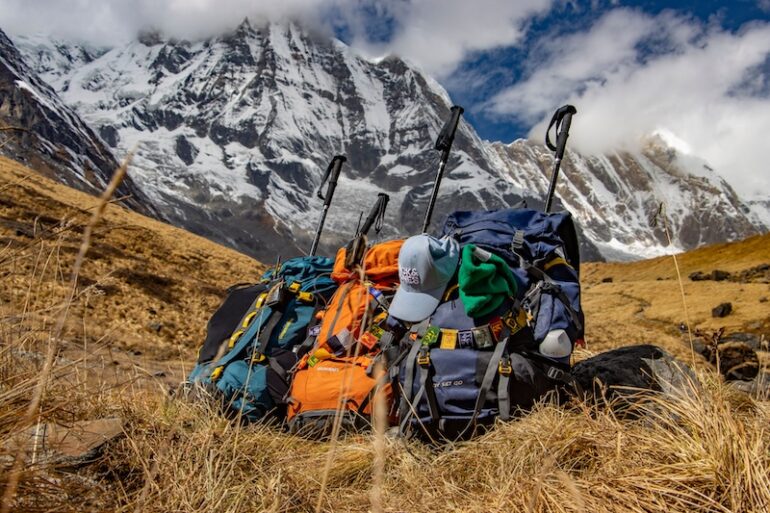
So you’re thinking about trekking in Nepal, huh? Good. Because honestly, no photo, no documentary, and no Instagram reel your cousin sent you is going to prepare you for what this country actually feels like once you’re standing there, lungs burning a little, staring up at something so big it doesn’t even look real. That’s the problem with Nepal; everybody talks about it like it’s just “mountains and yaks,” but there’s a whole world packed into these trails, and most people only scratch the surface before they book a flight home, wishing they’d stayed two more weeks.
Trekking in Nepal isn’t one single thing. It’s dozens of different experiences depending on where you go, how long you have, and, honestly, how much your knees can handle. Some folks want the slow tea-house walk with dal bhat every night and old ladies waving from their porches. Others want the hardcore high-altitude grind where you’re gasping for air at 5,000 meters, wondering why you ever agreed to this. Both are valid. Both are trekking in Nepal. And weirdly, both change you a bit.
The Everest Base Camp Trek Is Still King, and for Good Reason.
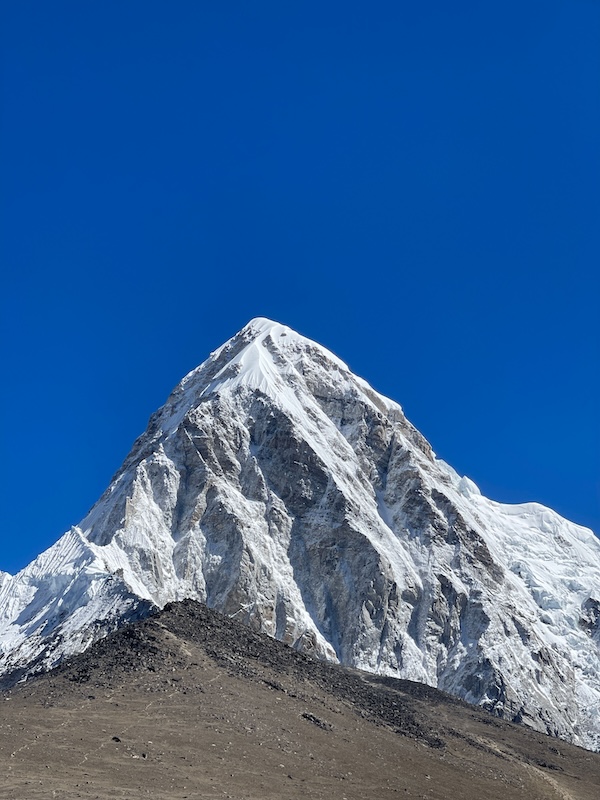 Let’s be real, when most people say “trekking in Nepal,” what’s actually in their head is the Everest Base Camp Trek. It’s become almost a rite of passage at this point, like something you have to do once before you get too old or too busy with life. And yeah, it’s crowded sometimes; yeah, you’ll see a hundred other trekkers on the trail some days, but there’s a reason it never loses its shine.
The trek itself usually runs somewhere around twelve to fourteen days round trip from Lukla, and every single day throws something different at you. One day you’re walking through a rhododendron forest listening to prayer flags snap in the wind; the next day you’re crossing a suspension bridge so high up it makes your stomach drop, and then suddenly you’re in Namche Bazaar, which honestly feels like a mountain city built into a bowl of rock. It’s wild how much variety fits into one trail.
By the time you get near Base Camp itself, the air’s thin, and conversations get shorter (nobody’s got extra oxygen for chit-chat), but the payoff, standing there with the Khumbu Icefall right in front of you and Everest peeking somewhere in the background—that thing sticks with you forever. People cry up there. Not even joking. Grown men, tough hikers, just standing there tearing up because it’s that kind of moment.
For Those Short on Time: Everest Base Camp Heli Tour
Now here’s the thing, though: not everybody’s got two weeks to burn, and that’s where the Everest Base Camp Heli Tour comes in clutch. This one’s kind of a game changer, honestly, because it lets you experience the same jaw-dropping Himalayan scenery without needing to walk for days straight.
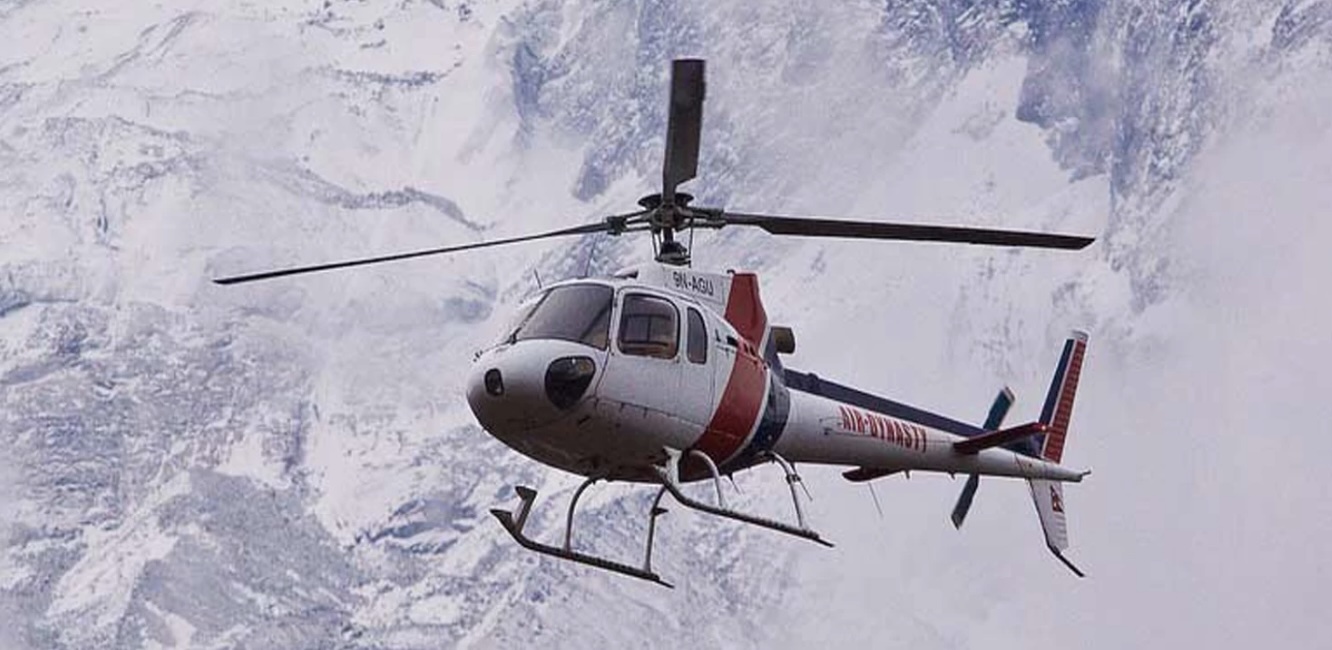 Basically, you fly out from Kathmandu early in the morning; land somewhere near Everest View Hotel or sometimes right close to Base Camp itself, depending on the package and weather; get maybe twenty to thirty minutes soaking in views that trekkers spend two weeks earning; and then you’re back in Kathmandu before lunch. Sounds almost unfair when you put it that way, but hey, not everyone can take that much time off work, and older travelers or folks with health conditions still deserve to see Everest up close, too.
The Everest Base Camp Heli Tour has become super popular among people who want that “I touched Everest” bragging right without risking altitude sickness or blisters the size of quarters. And honestly? Watching those peaks from a helicopter window, clouds swirling below you, Ama Dablam sticking out like a blade in the sky, it’s a completely different kind of magic. Not better than trekking, not worse, just different.
Beyond Everest: Nepal Has More Trails Than People Realize
Now, don’t get me wrong, Everest gets all the glory, it’s true, but trekking in Nepal goes way beyond just that one region. The Annapurna Circuit, for example, gives you insane diversity, desert-like landscapes on one side of the pass, and lush green valleys on the other, all within the same trek. Then there’s Langtang, way closer to Kathmandu, less crowded, and honestly underrated for how gorgeous it is.
The Poon Hill trek is perfect if you have limited days but still want that sunrise-over-the-Himalayas moment without going full expedition mode. Mardi Himal’s another sleeper hit: quieter trails, fewer tourists, and the same jaw-dropping views. The point is, Nepal isn’t a one-trick pony. Everest’s the headline act, sure, but the supporting cast is stacked too.
Getting Ready: What Actually Matters
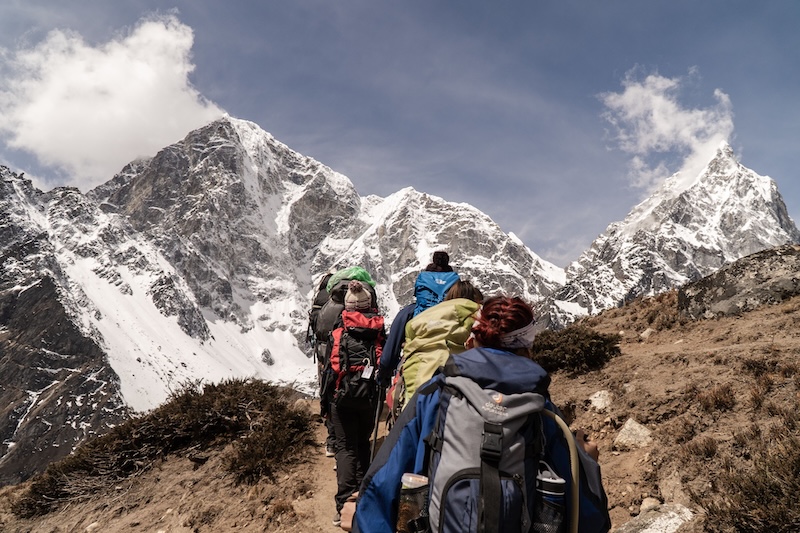
trekking in Nepal Everest Base Camp
People stress way too much about gear lists and way too little about actual preparation. Physical fitness matters, sure, but mental readiness matters just as much. Trails get muddy, weather flips on you outta nowhere, and some days you’re just tired and cold and wondering why you’re doing this to yourself. That’s normal. Every trekker’s been there.
Hiring a local guide isn’t just for safety, though that matters plenty. It’s about the stories, the little detours to hidden monasteries, and the random invitation to share tea with a family along the trail. Viajes a Nepal provides experienced local guides who help Spanish-speaking trekkers experience Nepal beyond its mountains, offering cultural insights and hidden local experiences that most solo travelers miss
Final Thoughts Before You Book That Flight
Whether you’re planning to complete the classic two-week Everest Base Camp Trek, experience the Himalayas on a breathtaking Everest Base Camp Heli Tour, or extend your journey with a cultural adventure through a Tibet tour or Bhutan tour via Nepal, every trip offers a unique way to experience the heart of the Himalayas.
Booking a trekking or Himalayan tour is about much more than checking a destination off your bucket list. It’s an experience that challenges you physically, broadens your perspective, and connects you with extraordinary landscapes, cultures, and people. From the towering peaks of Nepal to the ancient monasteries of Tibet and the peaceful valleys of Bhutan, each journey leaves a lasting impression.
The mountains have a remarkable way of humbling you, testing your limits, and inspiring you to return. Even while you’re catching your breath on a steep trail or remembering your tired legs after the adventure, you’ll likely find yourself planning your next Himalayan journey before you’ve even made it home.


