
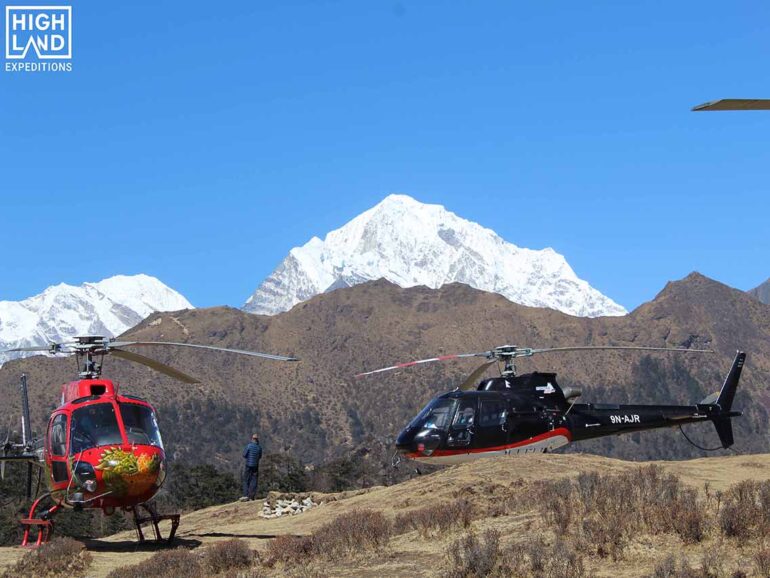
Trekking to Everest Base Camp is a dream for many travelers. The traditional trek takes 12–14 days, with several long walking days, high altitude, and physically demanding terrain. For travelers with limited time, fitness constraints, or those who want a more comfortable return, the Everest Base Camp trek with helicopter return is an ideal solution. This approach allows you to experience the thrill of trekking to the base of the world’s highest mountain while reducing the time and strain of the descent.
Who Should Consider a Helicopter Return
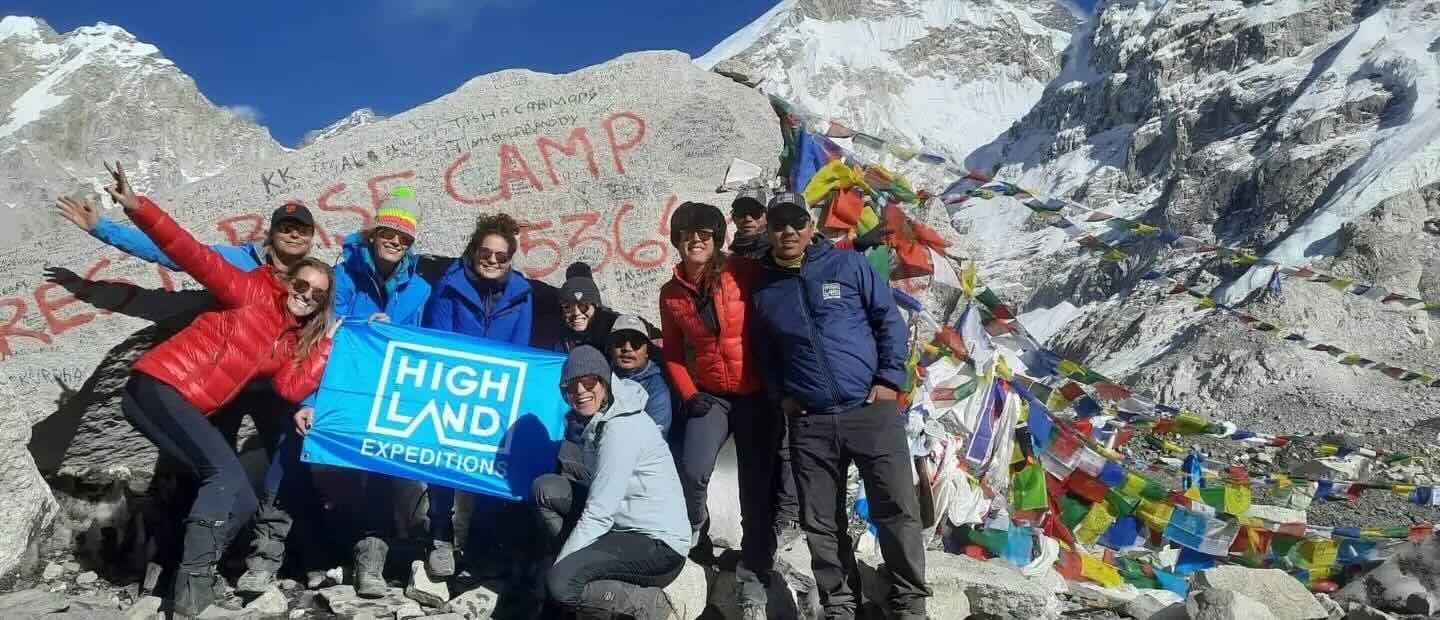
Everest base camp helicopter trek
This option is best for:
- Trekkers with limited vacation time
- Travelers concerned about high-altitude fatigue
- Older or less experienced trekkers
- People who want a quicker return to Kathmandu
- Anyone seeking a safer alternative in case of unexpected delays
The helicopter option does not reduce the ascent or the altitude challenges—you still trek to Everest Base Camp or Kala Patthar—but it significantly eases the journey back.
Typical Itinerary With Helicopter Return
A 10-day itinerary is common for helicopter return treks:
- Day 1: Fly to Lukla, trek to Phakding (2610 m)
- Day 2: Trek to Namche Bazaar (3440 m)
- Day 3: Acclimatization day in Namche, optional short hike
- Day 4: Trek to Tengboche (3860 m)
- Day 5: Trek to Dingboche (4410 m)
- Day 6: Acclimatization day, short hike above Dingboche
- Day 7: Trek to Lobuche (4910 m)
- Day 8: Trek to Gorakshep (5180 m), optional Kala Patthar climb (5550 m), return to Gorakshep
- Day 9: Helicopter flight from Gorakshep to Lukla, onward to Kathmandu
- Day 10: Buffer day in Kathmandu
Important: Helicopter departures depend on weather. Early morning flights are typical to avoid turbulence and cloud cover.
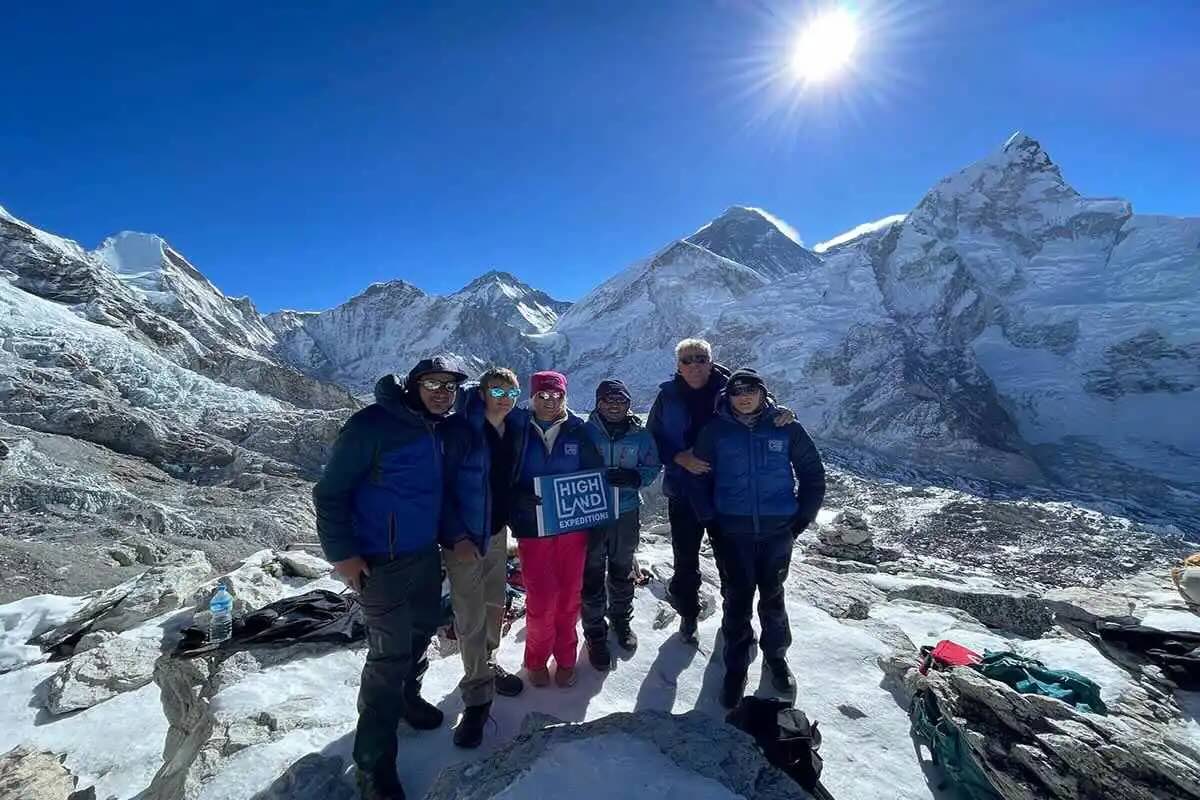
Kalapathar at sunrise with trekkers
Advantages of Helicopter Return
- Time-saving
Instead of 2–3 long days of downhill trekking, you can return in a single flight. This is ideal for travelers with tight schedules. - Reduced fatigue
Descending from Gorakshep can be harder than the ascent due to sore knees and accumulated fatigue. A helicopter eliminates this strain. - Safety
In case of sudden weather changes, altitude sickness, or injury, helicopter evacuation ensures a safer exit from high-altitude areas. - Comfort
Luxury trekkers or those seeking a more relaxed adventure can enjoy a challenging ascent without the exhaustion of a long descent.
Fitness and Preparation for Helicopter Return Treks
While the helicopter makes the return easier, the ascent to Everest Base Camp still requires preparation:
- Ability to walk 5–7 hours daily over uneven terrain
- Endurance for consecutive trekking days
- Mental readiness for high-altitude challenges
- Basic trekking gear for cold weather, snow, and long days
Fitness improves your acclimatization, reduces fatigue, and allows you to enjoy the trek fully.
Safety Considerations
- Weather: Flights depend on clear skies. Delays can occur. Always plan buffer days.
- Altitude: You still reach 5364 m at Everest Base Camp, so proper acclimatization is essential.
- Helicopter capacity: Typically 4–6 passengers per flight; weight restrictions apply.
- Cost: Helicopter return adds significant expense but offers time and safety benefits.
What You Will Experience
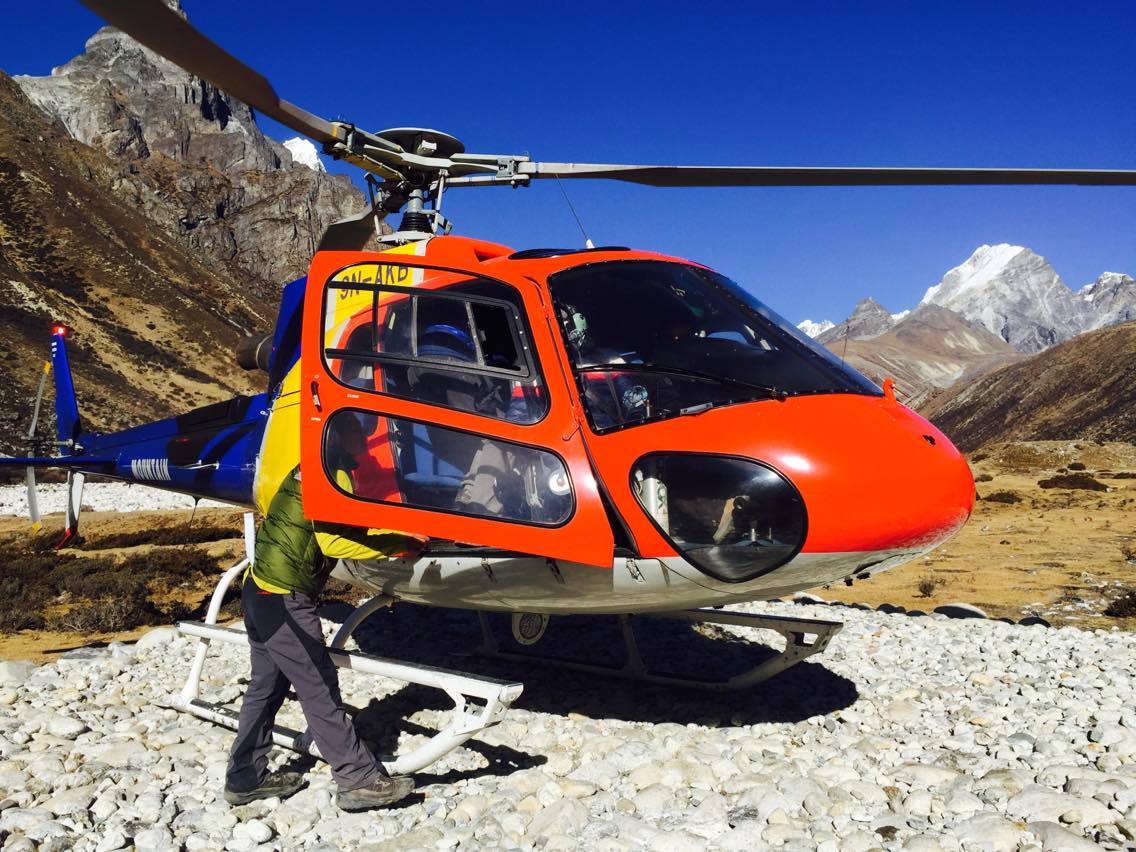
Everest base camp by helicopter
Even with a helicopter return, the trek offers:
- Stunning Himalayan views from the trail
- Sherpa villages and cultural experiences in Namche, Tengboche, and Dingboche
- Kala Patthar sunrise views over Everest, Lhotse, and Nuptse
- Teahouse interactions with local communities
- Real trekking satisfaction without the long downhill walk
Tips for a Smooth Helicopter Return Trek
- Book early: Helicopter seats are limited, especially during peak season.
- Acclimatize properly: Even short itineraries require gradual altitude adaptation.
- Pack light: Helicopter weight limits require careful packing.
- Plan buffer days: Bad weather can delay flights.
- Choose an experienced operator: Ensure the company has safe helicopter operations and experienced guides.
Conclusion
The Everest Base Camp trek with a helicopter return is an excellent option for travelers who want to experience the Nepal Himalayas without extended descent days. It balances adventure, comfort, and safety while allowing trekkers to focus on reaching the iconic base of Mount Everest. With proper fitness, preparation, and a reliable operator, this trek offers a once-in-a-lifetime experience that combines high-altitude trekking with modern convenience.


