
A cart brimming with Thai-inspired chocolate bars, featuring unique flavours ranging from ‘Mango Chili’ and ‘Massaman Peanut Curry’ to ‘Thai Tea’ and ‘Khao Soi Curry’, has trundled into Meliá Chiang Mai in support of local sustainable farmers. The hotel has joined forces with award-winning boutique chocolatier Siamaya, a Chiang Mai company that makes bean-to-bar chocolate from locally sourced organic Thai cacao beans and ingredients and that pays farmers higher prices to ensure they receive a living wage.
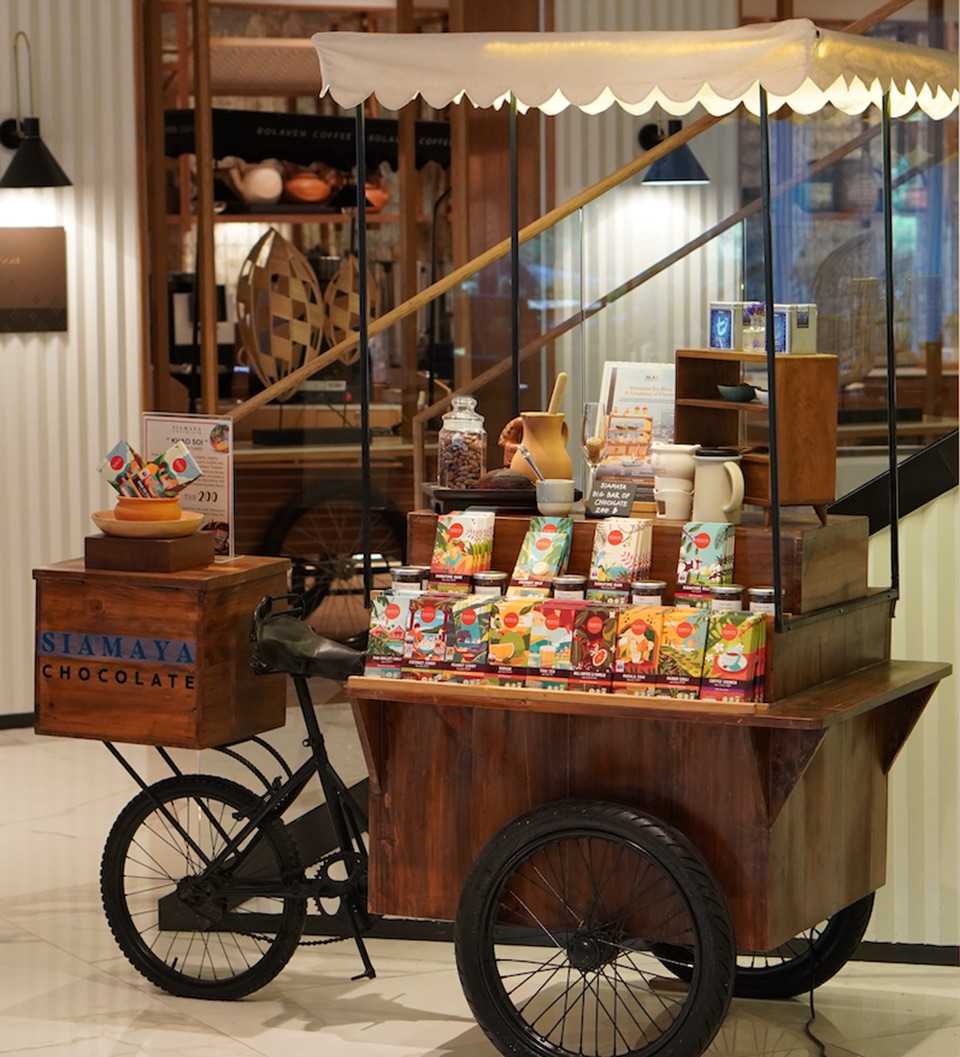
The chocolate-laden cart at Meliá Chiang Mai
The chocolate-laden cart is permanently stationed at the entrance of the hotel’s all-day dining restaurant Laan Na Kitchen. Its eclectic selection of dark chocolate varieties range from ‘Hill Coffee and Pomelo’ and ‘Thai Bullet Chili’ to ‘Tom Kha Coconut Curry’. In addition to milk chocolate bars such as ‘Durian’, ‘Orange Cranberry and Almond’, ‘Banana’ and ‘Masala Chai’, the cart also offers ‘Pumpkin Pie’ white chocolate.
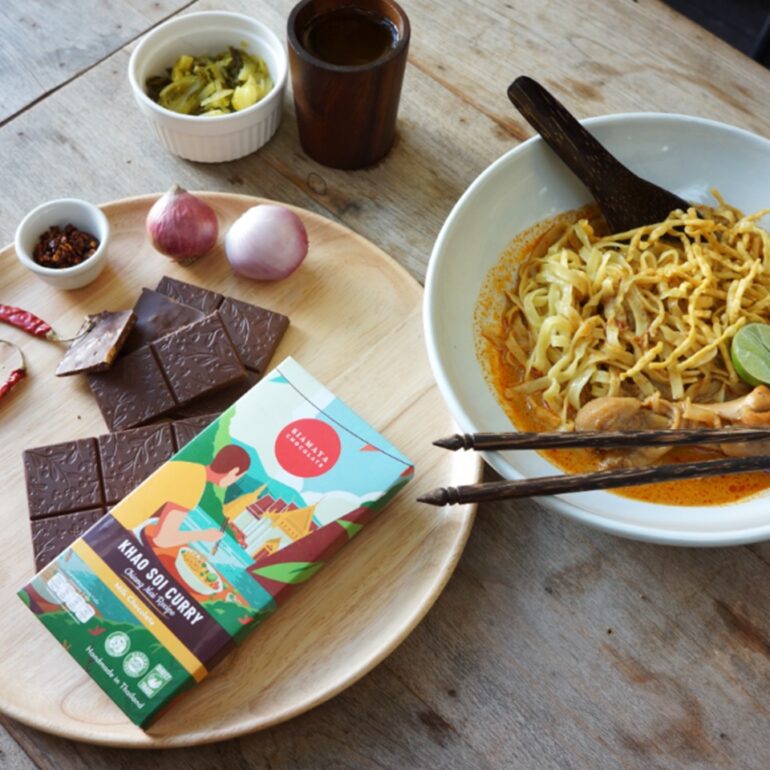
A unique option is the ‘Khao Soi Curry’ bar that pays tribute to the creamy, slightly spicy yellow curry noodle dish from Northern Thailand. The milk chocolate bar is flavoured with hints of crispy noodles, spices, and fried shallots.
“By making chocolate from scratch in a responsible, compassionate and eco-friendly way, reducing waste across their production process and using recycled paper and soya-based inks for packaging, Siamaya Chocolate is a welcome part of our hotel’s network of ethical and chemical-free suppliers that is a central plank in Meliá Chiang Mai’s ‘360° Cuisine’ program,” said Meliá Chiang Mai’s general manager Marc Selinger.
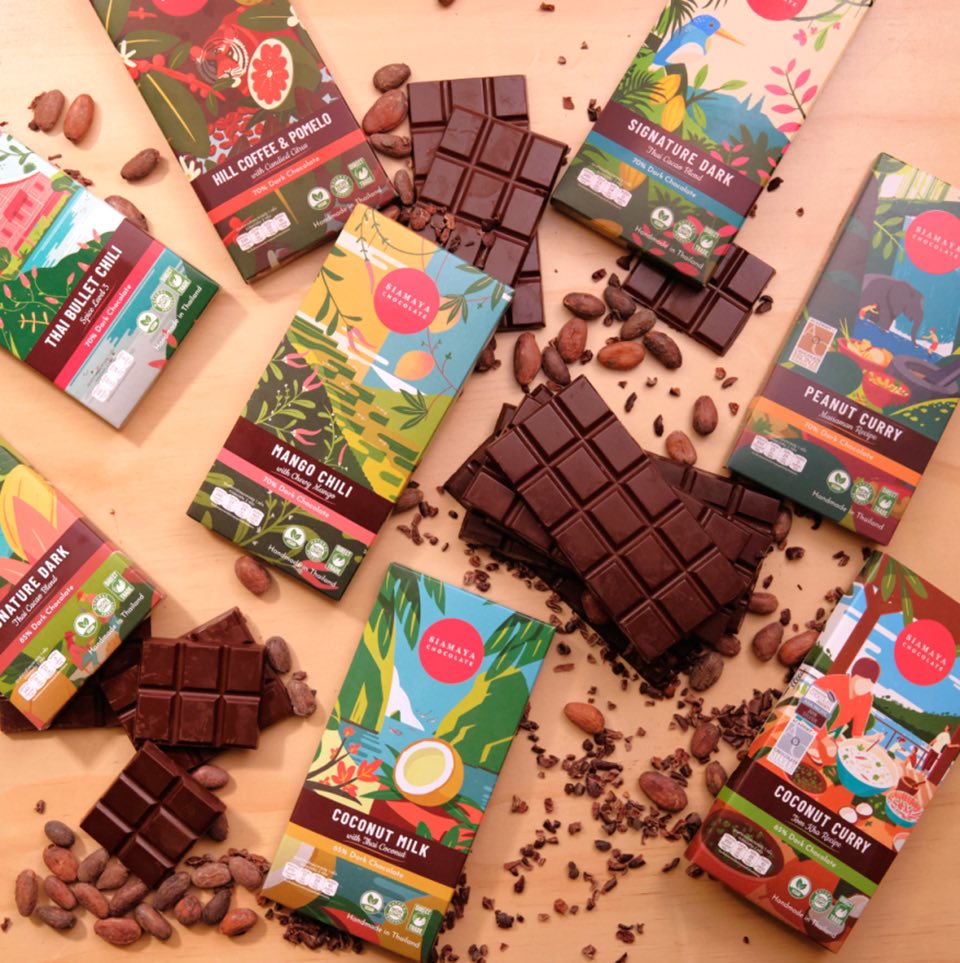
Siamaya huge range of chocolate bars
The partnership with Siamaya is part of the hotel’s network of ethical and chemical-free suppliers, which includes gourmet farm SEED in San Sai District, organic gourmet farm Rong Khum in San Pa Tong, Jartisann’s Original Thai Cheese, which crafts artisanal cheese made from high-quality, locally sourced raw cow’s milk, and SUPHA BEE FARM, a local honeybee farm in Mae Rim.
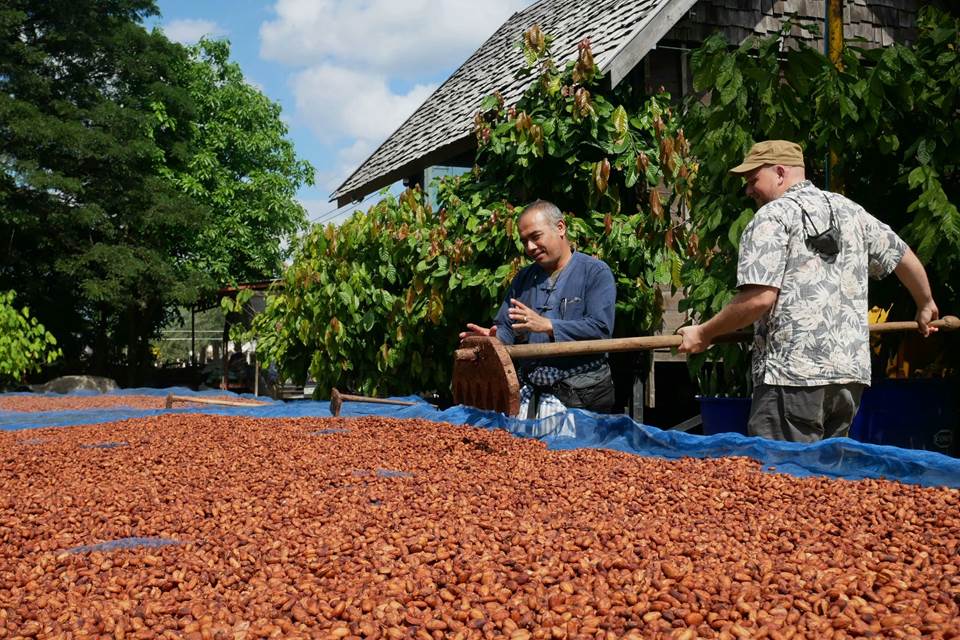
“We support sustainability practices so our partners will continue to farm long into the future and we pay around 2-2.5 times as much as fair trade programs usually pay farmers for the cacao, often going on field trips to make sure the cacao is grown sustainably and with respect for the nature around the cacao plantations,” said Siamaya’s co-founder and chief executive officer Neil Ransom.
“With this higher payment we require pesticide free farming and a strict no-burning policy. As in other regions of Southeast Asia, pollution caused by agricultural burning is an issue in Thailand, and by introducing a no-burning policy we aim to contribute to a better and greener world,” added Siamaya’s co-founder and chief operating officer Kirstian Levinsen.
 The hotel’s guests are also welcome to participate in Siamaya Chocolate’s chocolate making workshops and learn about what it means to have social awareness and sustainability as small business key values.
Meliá Chiang Mai’s ‘360° Cuisine’ program is designed to reduce the hotel’s carbon footprint and promote healthy eating. Under the program, the hotel sources ‘farm to plate’ organic produce that travels only a short distance. As much of each ingredient is used – roots, leaves, stems, stalks and more – in a ‘thoughtful cooking process’ before ‘plate to farm’ food waste returns to the farms as fertilizer in a truly 360° concept. Leftover cooking oil is sent to be recycled into biodiesel.
To contact Meliá Chiang Mai or to make a booking, email reservation.chiangmai@melia.com, call +66 52 090 699 or visit https://www.melia.com/en/hotels/thailand/chiang-mai/melia-chiang-mai/index.htm
To contact Simaya Chocolate, call +(66) 065 050 1649 or visit https://siamayachocolate.com/


