
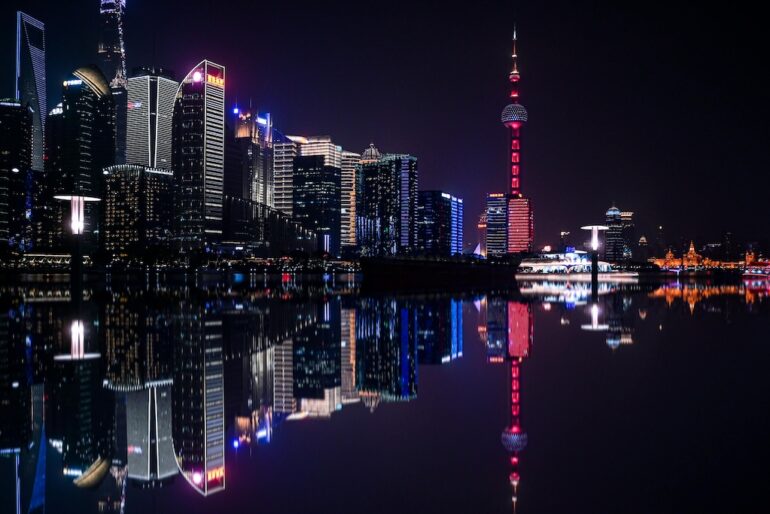
Urban lighting plays a critical role in how cities function after dark. Neon systems, LED displays, and illuminated architecture transform cityscapes into high-visibility environments optimized for commerce, navigation, and visual identity. Across Asia, several cities have developed highly distinctive nightscapes driven by dense signage, vertical development, and coordinated lighting systems.
The following cities stand out for their technical approach to nighttime illumination and visual impact.
Tokyo, Japan: Layered Neon Density and Zoning
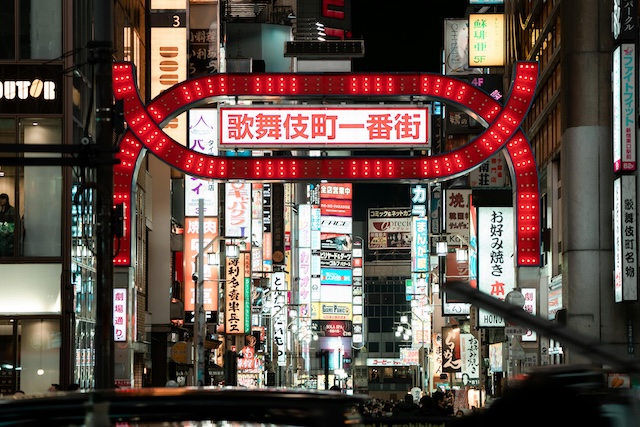
Tokyo, Japan
Tokyo’s nightscape is defined by layered lighting systems across districts such as Shinjuku and Shibuya. Buildings integrate signage directly into their facades, creating vertical stacks of illuminated panels.
The density of signage is controlled through zoning regulations that allow high-intensity commercial lighting in specific districts. This results in concentrated visual zones rather than uniform distribution.
Technical features include:
- High-luminance LED and neon hybrid signage
- Multi-story display integration on building exteriors
- Coordinated color schemes within commercial clusters
Tokyo’s lighting system prioritizes visibility and brand differentiation within compact urban spaces.
Hong Kong: Vertical Illumination and Skyline Integration
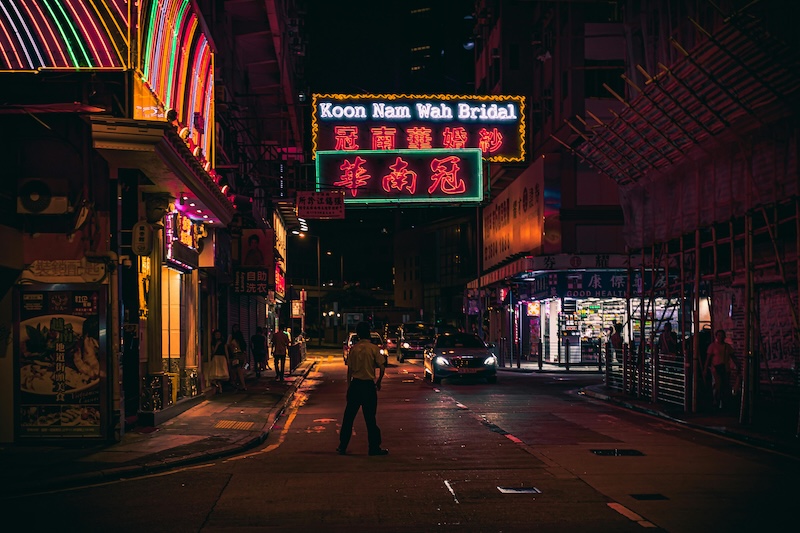
Hong Kong
Hong Kong’s skyline combines architectural lighting with neon signage. The city’s high-rise density allows lighting systems to extend vertically across large surface areas.
Victoria Harbour provides a reflective surface that enhances visual output. The “Symphony of Lights” system coordinates building illumination, creating synchronized displays across multiple structures.
Key characteristics include:
- Integration of facade lighting with structural design
- Use of reflective water surfaces to amplify brightness
- Centralized control systems for coordinated displays
Hong Kong’s approach merges commercial signage with large-scale architectural lighting.
Seoul, South Korea: Digital Signage and Mixed Lighting Systems
Seoul combines traditional neon with modern digital displays. Districts such as Gangnam and Myeongdong feature high-resolution LED panels alongside conventional signage.
The city emphasizes adaptability. Digital systems allow content to change dynamically, supporting advertising and event-based visuals.
Technical elements include:
- High-definition LED screens with programmable content
- Mixed-use lighting combining static and dynamic elements
- Energy-efficient systems to manage large-scale illumination
Seoul’s nightscape reflects a transition from static neon to programmable digital environments.
Bangkok, Thailand: Street-Level Neon Concentration
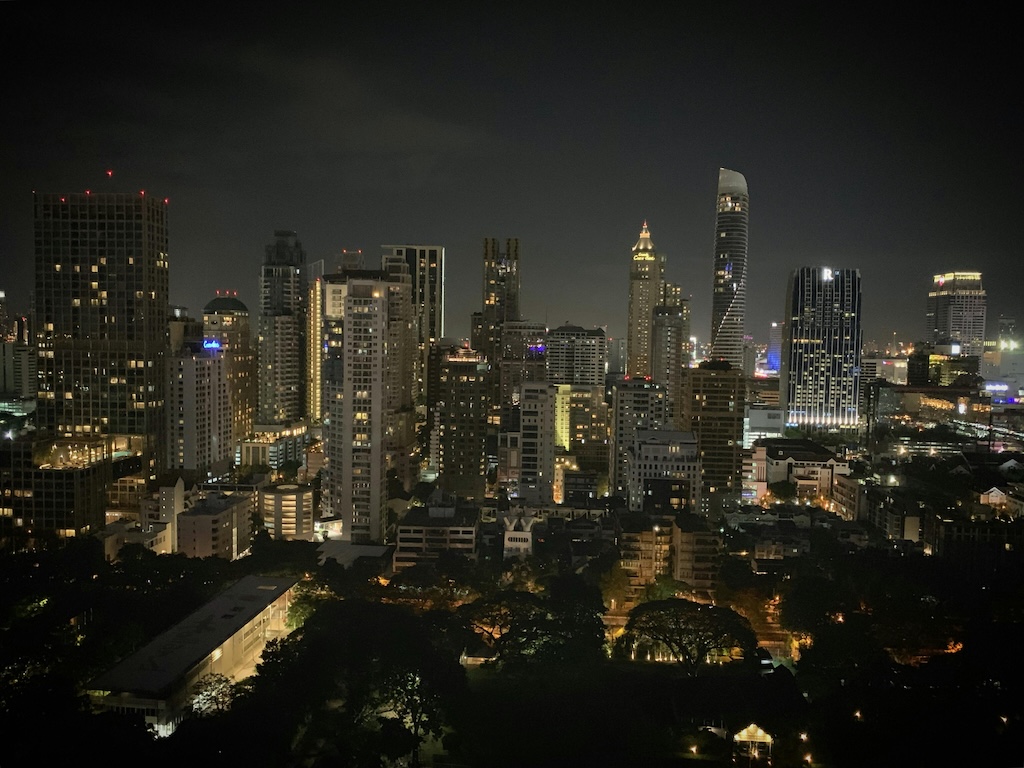
Bangkok, Thailand
Bangkok’s neon lighting is concentrated at street level, particularly in areas such as Sukhumvit and Chinatown. Unlike cities with vertical emphasis, Bangkok focuses on horizontal distribution.
Signage is often placed closer to pedestrian pathways, increasing visibility and interaction. This creates a more immersive experience at ground level.
Features include:
- Dense clustering of signage along streets
- Lower mounting heights for direct visibility
- High contrast color usage to stand out in busy environments
Bangkok’s lighting design prioritizes immediate visual engagement.
Shanghai, China: Large-Scale LED and Architectural Lighting
Shanghai’s nightscape is defined by large-scale LED installations and architectural illumination. The Bund and Lujiazui districts showcase coordinated lighting across entire building facades.
Unlike traditional neon-heavy cities, Shanghai relies more on LED systems for scalability and control. These systems allow synchronized color changes and animations.
Technical aspects include:
- Full-building LED facade coverage
- Programmable lighting sequences
- Integration with skyline design for cohesive visuals
Shanghai demonstrates how modern lighting technology can replace traditional neon while maintaining visual impact.
Taipei, Taiwan: Hybrid Neon and LED Environments
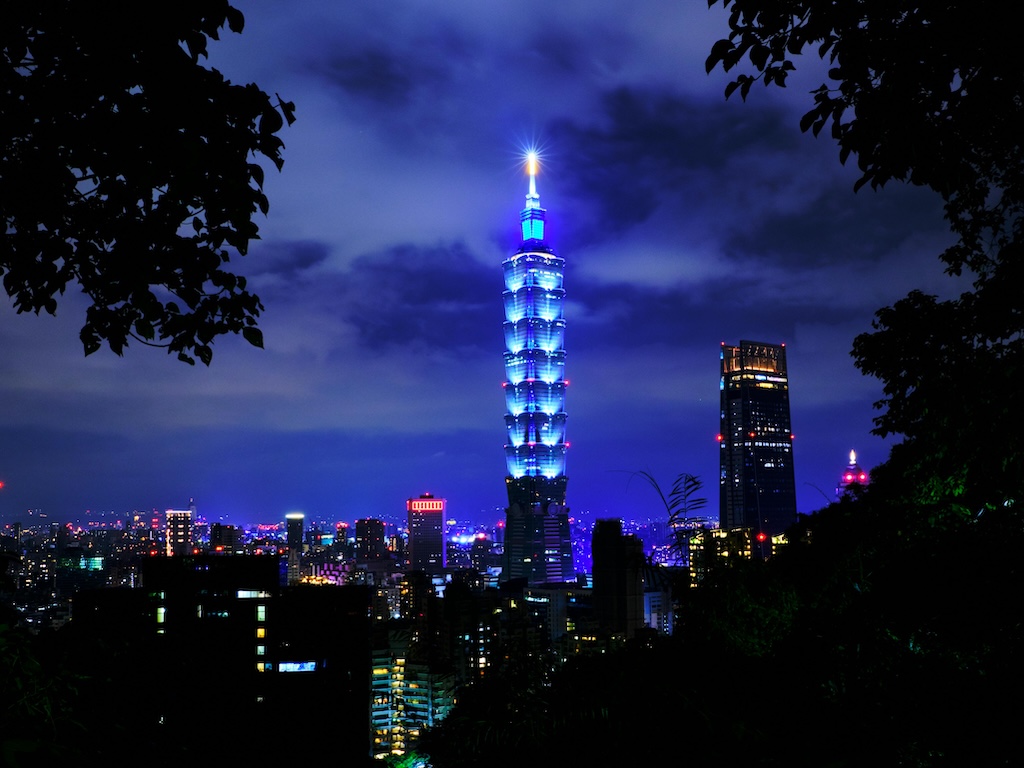
Taipei City, Taiwan
Taipei maintains a balance between traditional neon signage and newer LED systems. Night markets and commercial districts feature dense clusters of illuminated signs.
The coexistence of old and new technologies creates varied visual textures. Neon provides continuous glow, while LEDs introduce sharper, more defined visuals.
Key elements include:
- Combination of analog neon and digital displays
- High-density signage in compact areas
- Strong emphasis on commercial visibility
Taipei’s approach preserves legacy lighting while incorporating modern systems.
Manila, Philippines: Emerging Neon and LED Integration
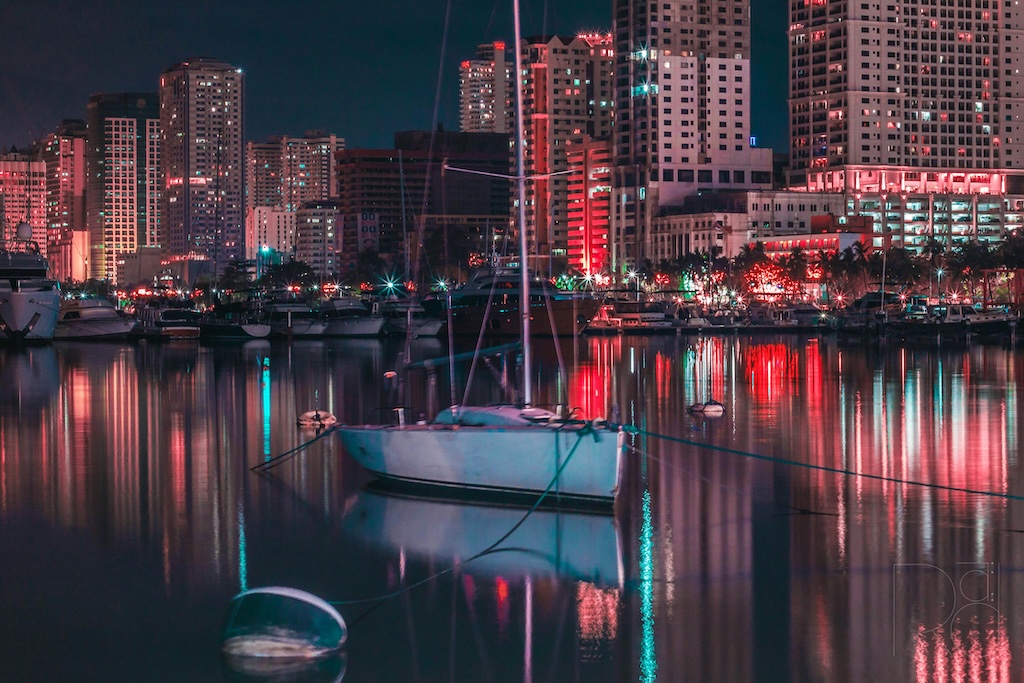
Manila, Philippines
Manila is developing its nightscape through increased use of LED and neon signage in commercial districts. Growth is driven by retail expansion and urban development.
Lighting systems are becoming more structured, with improved consistency and brightness control.
Characteristics include:
- Expanding use of illuminated signage in business areas
- Transition toward energy-efficient lighting systems
- Gradual standardization of visual layouts
Manila represents an evolving lighting environment with increasing technical sophistication.
Asian cities demonstrate diverse approaches to nighttime lighting, ranging from dense neon clusters to large-scale LED systems. Each city’s design reflects its urban structure, technological adoption, and commercial priorities. By combining traditional neon elements with modern lighting technologies, these environments create visually complex and highly functional nightscapes.


