
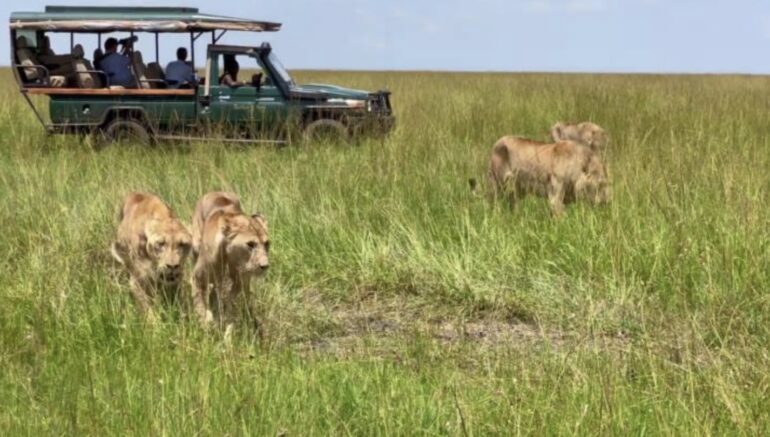
Going for the first time in an African wildland, it feels like a dream but also a little confusing. Many people think they just book and go, but the real truth is a little different. A Kenya safari is not only a trip; it is a full experience of life, nature, animals, and culture all mixed together in one strong memory. If you are planning your first Kenya safari trip, then you must know some secrets before you go, because this will save your money, your time, and also your expectations.
Understanding What Kenya Safari Really Means
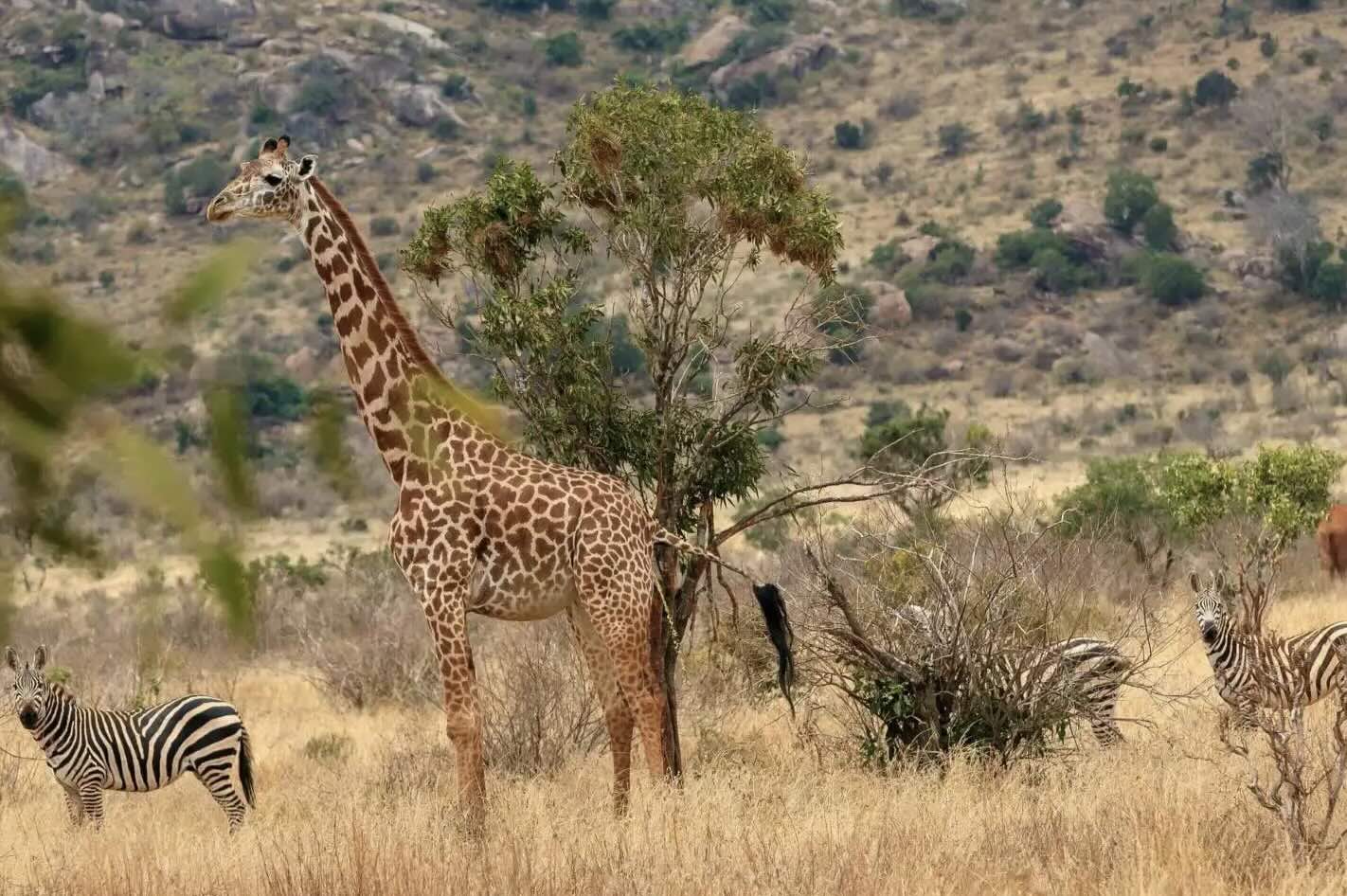
Kenya safari tips
When people hear about a Kenyan safari, they imagine lions walking near a jeep, elephants crossing roads, and sunsets with giraffe shadows. Yes, this is true, but not always like movies. Sometimes animals hide, sometimes long drives, and sometimes weather changes mood. A Kenyan safari is about patience and respect for nature, not only quick photos.
A Kenya safari tour is more than just seeing animals. It is about feeling the land, hearing the silence, and watching life in a natural way. You will see how everything is connected, from the smallest insect to the biggest elephant.
For the experience to truly feel worthwhile, it’s important to choose the right operator, such as Majestic Kenya Safaris, who can tailor your safari trip to suit your preferences. Also remember that safaris are not only about luxury—even a simple journey can bring genuine happiness when you connect with the true spirit of the experience.
Choosing the Right Time to Travel
Timing is very important for a safari. Many first-time travelers make mistakes by choosing the wrong season. Kenya has two main seasons: dry and wet. The dry season (June to October) is best for wildlife viewing. Animals come near water, so they are easy to see. Also, the famous Great Migration happened in Maasai Mara during this time. You see thousands of wildebeest crossing rivers, a very powerful scene. The wet season (November to May) is green and beautiful. Fewer tourists, cheaper prices, and good for bird lovers. But animals are more spread, so they are a little harder to spot.
Picking the Best Safari Destination
Kajiado County, Kenya
Kenya has many national parks and reserves, each one different. First-time visitors mostly go to Maasai Mara. It is famous and full of wildlife. You can see a lion, leopard, cheetah, elephant, buffalo, and rhino – all the Big Five.
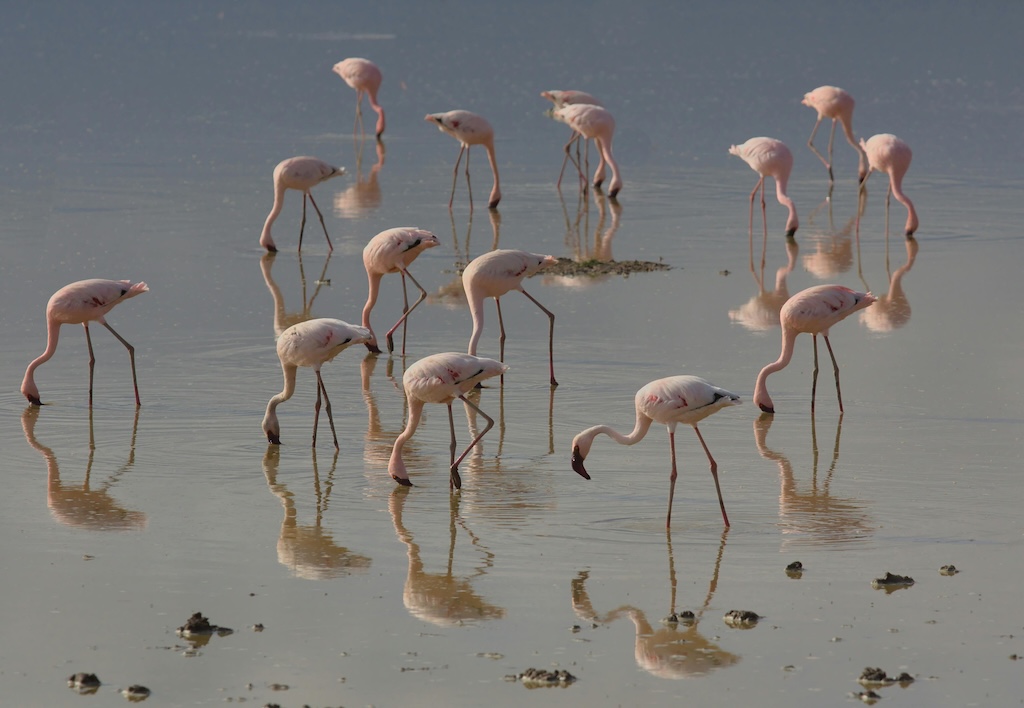
Amboseli is famous for its elephants and Mount Kilimanjaro view. Very good for photography. Tsavo is very big and wild and less crowded, but animals are more spread out. Lake Nakuru is good for flamingos and rhinos. Secret tip: do not try to visit too many parks in a short time. It became tiring and rushed. Better choose 2 or 3 places and enjoy properly.
Packing Smart for Safari
Many first-time travelers pack the wrong things. Safari is not a fashion show; it is a practical journey. Wear neutral colors like khaki, brown, and green. Bright colors can disturb animals. Carry light clothes for the day and warm jackets for early morning game drives. Do not forget:
- binoculars
- sunscreen
- hat
- insect repellent
- camera with extra battery
Secret: dust is everywhere, so protect your electronics.
Game Drives Reality
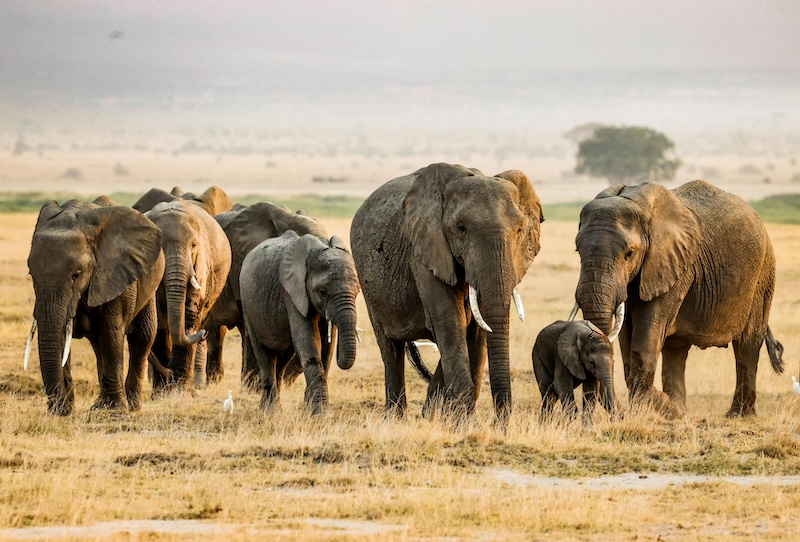
Amboseli
Game driving is the main activity in a safari. Usually early morning and late afternoon, because animals are active at this time. Morning drives start very early, sometimes 5 AM. It feels hard but worth it because you see sunrises and animals hunting. An afternoon drive is more relaxed and has good light for photos. But an important secret: you do not always see animals quickly. Sometimes long drives without big sightings. Patience is key. A Kenya safari teaches you to enjoy the journey, not only the result.
Food and Water Experience
Food on a safari is generally good, even in camps. You get a mix of local and international dishes. Water is very important. Always drink bottled or filtered water. Do not drink directly from the tap. Luxury lodges offer buffets or fine dining, while budget camps give simple but still tasty meals. Secret tip: try local food if possible; it gives more cultural experience.
Understanding Safety
Many people worry about safety in Africa. But safari areas are generally safe if you follow rules. Never get out of a vehicle in a wild area without guide permission. Do not feed animals. Keep distance from wildlife. In camps, listen to instructions. Sometimes animals walk near tents, but guides manage the situation. Secret: animals usually do not attack unless provoked.
Photography Tips for Beginners
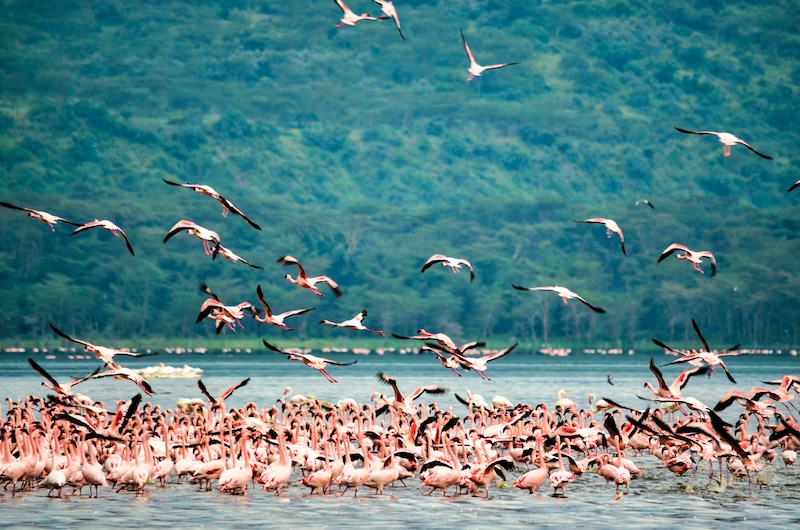
Nakuru, Nakuru County, Kenya
Safari is a dream for photographers. But capturing good photos needs little preparation. Use zoom lenses for wildlife. Keep the camera ready always, because the moment comes suddenly. Morning and evening light is best for photos. Do not focus only on the camera. Sometimes I just watch with my eyes, enjoying the real moment. A Kenya safari is not only about pictures but also memories.
Health and Preparation
- Before going, check vaccinations like yellow fever if required.
- Carry basic medicines.
- Stay hydrated and rest properly.
- Long drives and early mornings can be tiring, so take care of your body.
Environmental Responsibility
- Safari is about nature, so protect it.
- Do not throw garbage.
- Avoid plastic if possible.
- Respect animals and the environment.
- Your behavior helps keep this beauty for future travelers.
Final Thoughts
My first time going on a Kenyan safari was exciting and a little nerve-wracking. But if you understand these secrets, your journey becomes smooth and unforgettable. A Kenya safari is not just travel; it is a deep connection with nature. You will return with stories, emotions, and a new perspective about life. Remember again, a Kenya safari tour is not only about ticking off animals but also about feeling the wild heart of Africa.


