
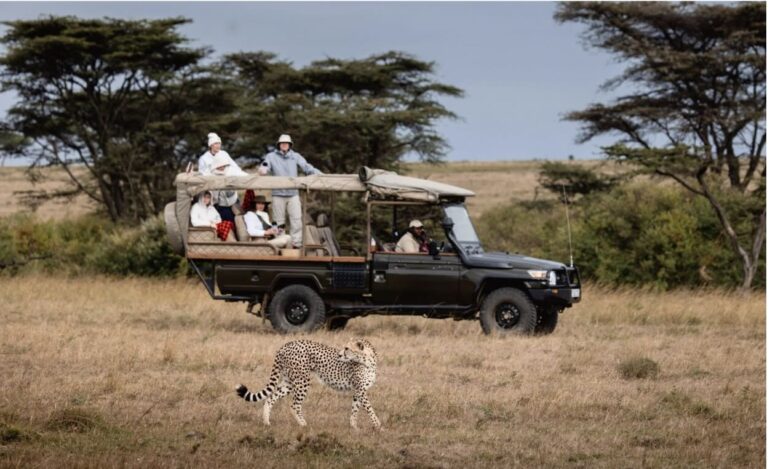
Few destinations evoke the same sense of awe as the Masai Mara in Africa. Known for its dramatic landscapes and incredible wildlife, this reserve is a top choice for travelers and photographers seeking to capture the essence of Africa’s natural beauty. Whether you’re an avid photographer or a traveler eager to witness the Great Migration, understanding the nuances of light, timing, and location can make all the difference. This comprehensive guide offers essential tips for making the most of your travel and photography experience in Masai Mara, one of Africa’s premier wildlife destinations.
Why Masai Mara is a Must-Visit for Travel and Photography Enthusiasts
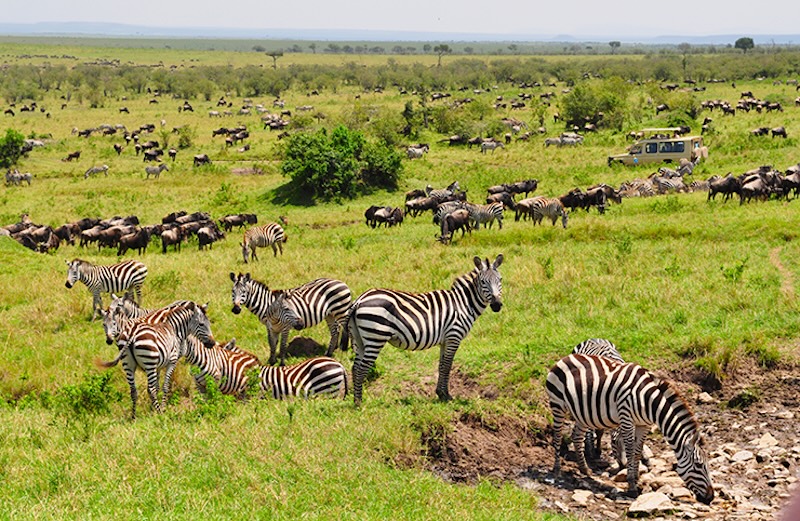
African Safari in the Masai Mara- Great Migration
Nestled in southern Kenya, Masai Mara is renowned across Asia and beyond for its vast savannahs teeming with wildlife. The reserve’s iconic landscapes, combined with the spectacular annual migration of wildebeest and zebra, create unforgettable moments for travelers. For photographers, this area offers unparalleled opportunities to document raw nature, capturing moments of chaos, serenity, and everything in between.
The Magic of Light in Masai Mara
The region’s high elevation—around 1,500 meters—creates unique lighting conditions that are crucial for wildlife photography. During migration season, the golden hour doesn’t behave as expected. The dry, dusty air allows sunlight to filter through clouds and particles, casting a painterly glow over the plains. Backlit wildebeest silhouettes and glowing predators are common sights during these fleeting moments.
Pro Tip: The best light occurs twice daily—early morning around sunrise (6:30 AM) and late afternoon (6:00 PM). This window, often just 40 minutes, is when the landscape transforms into a scene straight out of a painting.
The Reality of the Great Migration
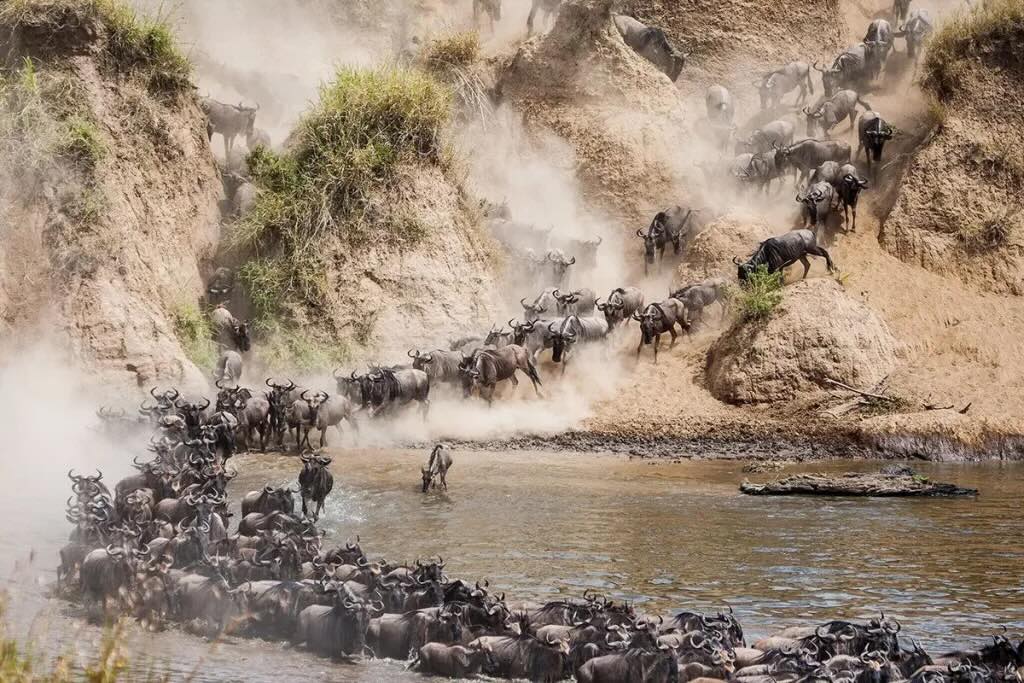
The Great Migration in the Masai Mara
Many visitors arrive expecting predictable herds and dramatic river crossingsn during the Great Migration. However, the migration’s timing and location are unpredictable, following rainfall and grass growth patterns rather than tourist schedules. Sometimes, herds are scattered for days, only to suddenly funnel towards water sources.
Tracking Wildlife Movement
Experienced guides like Peter Munene emphasize patience and flexibility. The key is to study animal behaviors, listen to radio updates from other guides, and be prepared to wait for hours in the right spot. Sometimes, you’ll witness a crossing that lasts minutes; other times, you’ll wait days for a spectacle that might not happen at all.
The Art of Capturing the Perfect Moment
Photographing the chaos of river crossings requires preparation. Arrive early, choose a vantage point with good light, and set your camera for high shutter speeds (1/1000 sec or faster). Anticipate the animals’ body language—twitching ears, nervous steps—and be ready to capture decisive moments as they unfold.
Choosing Between Main Reserve and Conservancies
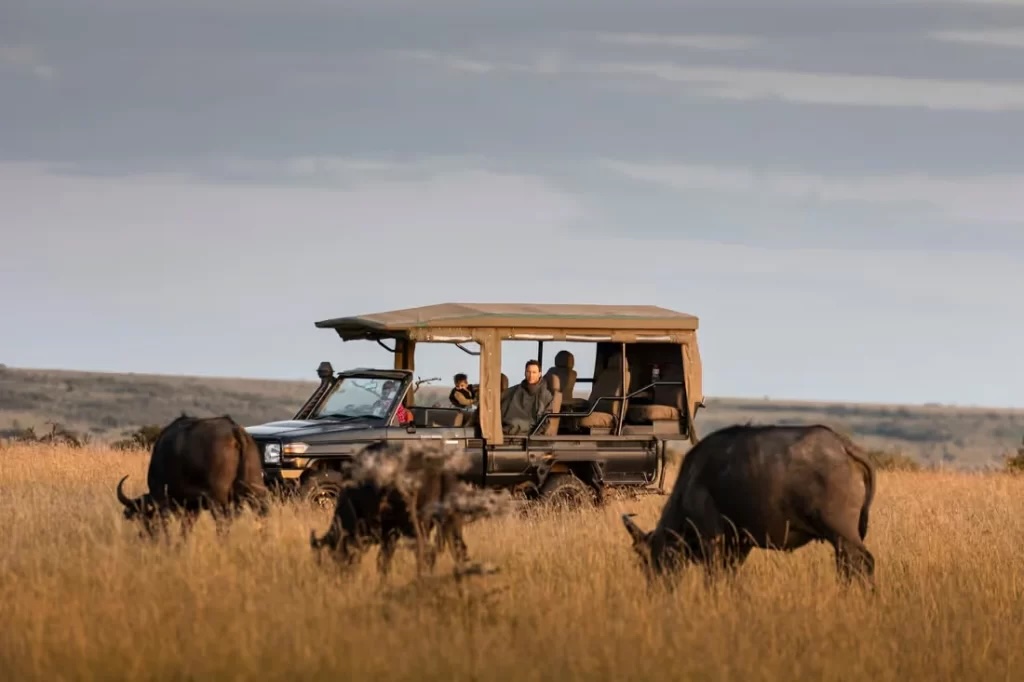
5 Days Masai Mara Safari
The Masai Mara is accessible via the main reserve or surrounding conservancies like Naboisho, Mara North, and Olare Motorogi. The main reserve charges around USD 200 for a 12-hour entry, offering access to popular crossing points. However, the conservancies provide a more exclusive experience: fewer vehicles, off-road driving, and night safaris.
For photographers, conservancies often yield better results. With less disturbance, animals behave naturally, and you can access areas off-limits in the main reserve. For example, spotting a leopard in Olare Motorogi may mean fewer vehicles and more intimate shots.
Essential Gear for Wildlife Photography in Africa
While high-quality lenses—such as 400mm or 600mm telephotos—are vital, practical gear can make a significant difference. A simple beanbag draped over the vehicle door stabilizes your camera on bumpy roads, allowing sharper images at slower shutter speeds.
Dust and cold are common challenges. Keep a blower handy, change lenses inside plastic bags to prevent dust spots, and regularly clean your sensor. Mornings can be chilly (around 12°C), draining batteries quickly—carry spares and keep them warm.
When Things Don’t Go as Planned
Despite meticulous planning, nature remains unpredictable. Some travelers spend days in the reserve without witnessing river crossings. Others capture stunning images of lions, elephants, or sunsets instead. The key is patience and adaptability—sometimes, the unexpected moments turn out to be the most memorable.
Starting Your Travel Adventure in Nairobi
Most international flights arrive at Jomo Kenyatta International Airport in Nairobi. From there, a short flight or drive to the Mara sets the stage for your safari. Consider visiting Nairobi National Park first; it’s the only place where you can photograph lions and rhinos with a city skyline in the background—an iconic Africa image.
Making It Happen
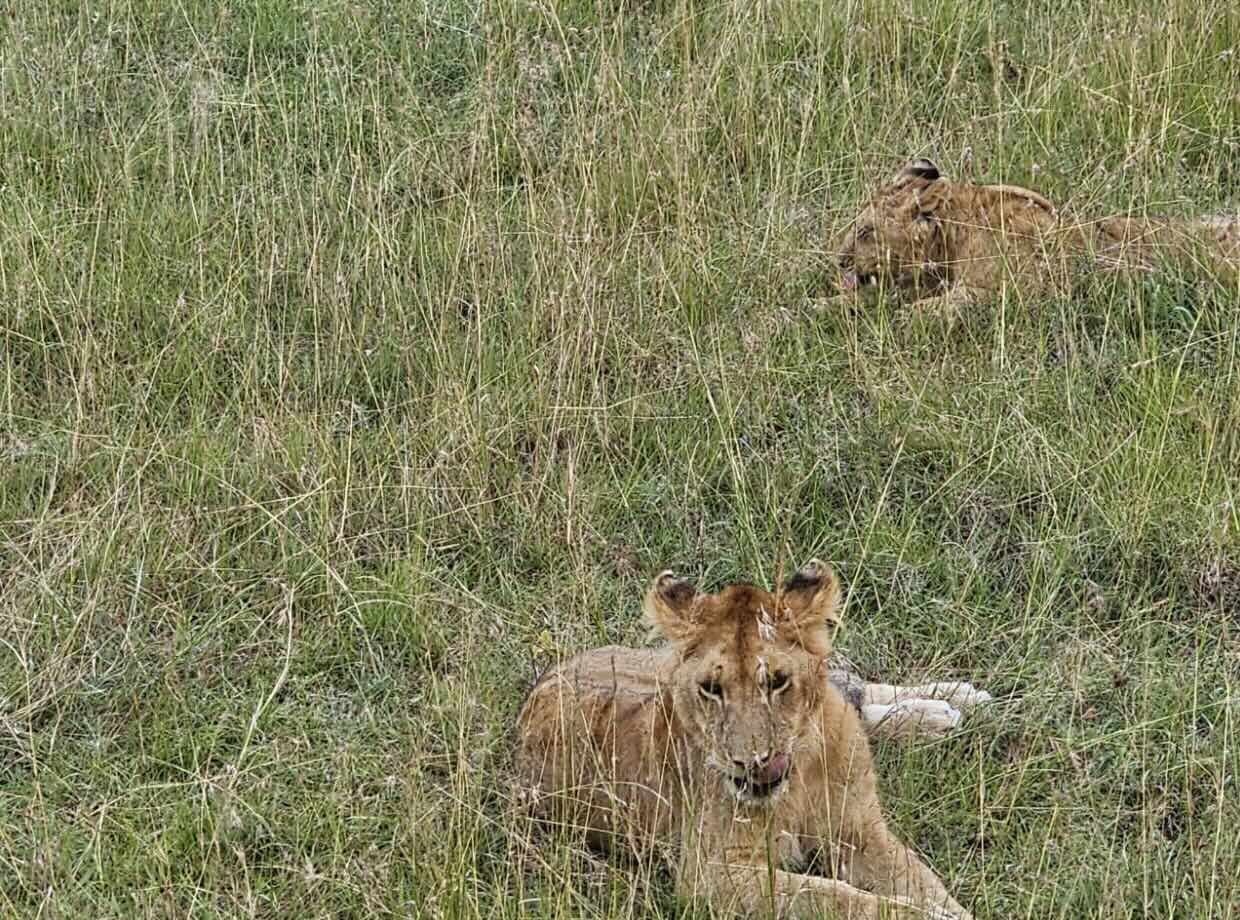
Masai Mara photography tips
For dedicated photography safaris, operators like masaimarasafari.travel offer 5-day itineraries specifically designed around optimal shooting times. The difference between a standard tourist safari and a photography-focused trip is significant: extended golden hour drives, flexible schedules when something interesting is happening, guides who understand composition and animal behavior.
The Mara rewards preparation. Study the light. Learn your camera’s limits in low-light conditions. Practice panning with moving subjects before you arrive. Then accept that nature will surprise you anyway.
Opt for specialized photography safaris offered by operators like masaimarasafari.travel. These trips focus on maximizing shooting opportunities, with flexible schedules, extended golden hours, and guides knowledgeable in animal behavior and composition. Preparation is critical—study your camera settings, practice panning, and learn how to read animal cues.
Post-Drive Reflection
While the photographs are the main souvenir, the sounds of the plains—hooves pounding at dawn, the rustling grass, the distant roar—leave a lasting impression. The Masai Mara’s wilderness hums with life, a humbling reminder of nature’s raw power.
Final Thoughts
A trip to Masai Mara offers more than just travel; it’s a chance to connect deeply with Africa’s wild heart. Whether you’re chasing the Great Migration or capturing intimate moments between predator and prey, the experience will stay with you forever. Embrace patience, prepare thoroughly, and let the landscape surprise you—this is wildlife photography in Africa at its finest.


