
The Kanchenjunga trek is one of the most remote and wild trekking experiences in the Nepal Himalayas. It is not like other crowded trails; here everything feels very raw and very natural. Mountains are huge, silence is deep, and villages are very far from modern life.
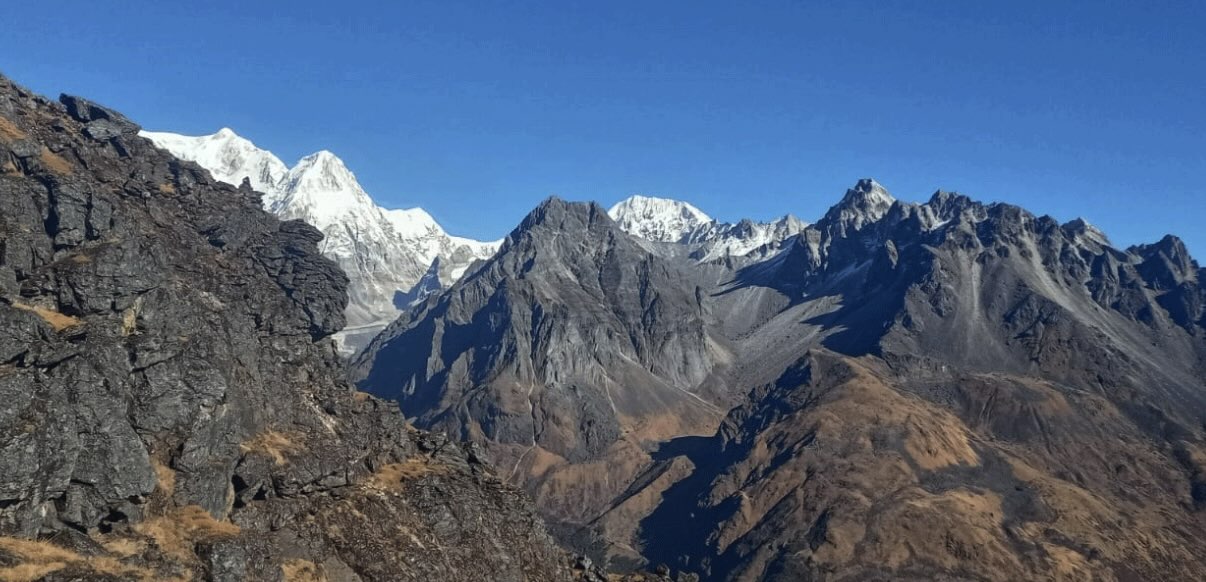 This trek is not only about walking; it is about going into a different world. Many trekkers come for Kanchenjunga’s north base camp; many also go for Kanchenjunga’s south base camp, but when you combine both, it becomes a fully complete Himalayan journey. A long, hard, beautiful, and sometimes a little bit confusing path, but it’s worth every step.
You walk through forests, rivers, snow zones, and very high-altitude land where air becomes thin and minds become very quiet. Sometimes you feel tired, but views make you forget everything.
Kanchenjunga Trek Overview
The Kanchenjunga trek is located in the eastern part of Nepal, near the border of India and Tibet. It is less commercial, so you don’t find big hotels or luxury comfort here. Everything is simple; tea houses are basic, food is local, and people are very kind. The trail goes around the third-highest mountain in the world, Mount Kanchenjunga. This mountain is very powerful-looking, always covered in snow and clouds.
The trek is long, sometimes more than 20 days if you do the full circuit. You walk many hours daily, sometimes uphill, sometimes down, sometimes flat, but never easy-easy. Weather also changes quickly. Morning can be sunny, afternoon foggy, and evening cold and windy. So you always feel nature is alive here.
Kanchenjunga North Base Camp Experience
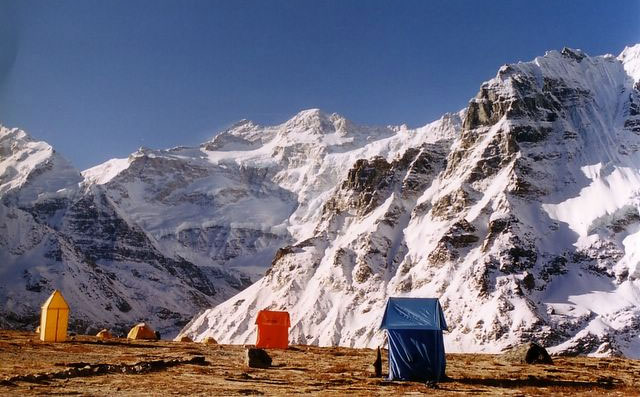
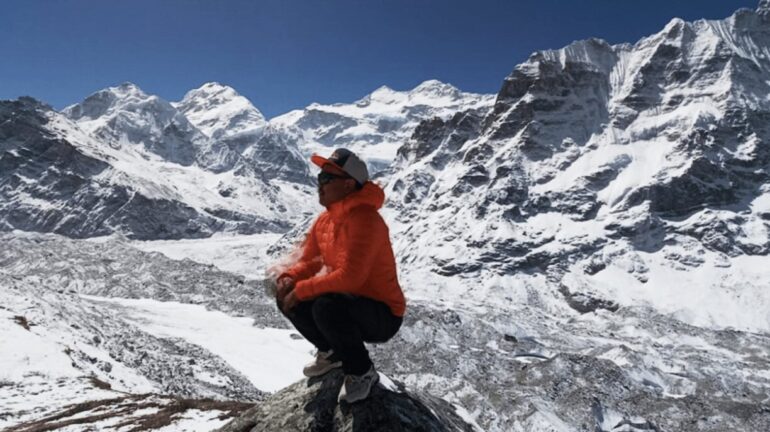
Kanchenjunga North Base Camp
Path to North Base Camp
Kanchenjunga’s north base camp is also called the Pangpema route. It is more remote than many other treks. From Ghunsa village, the trail goes upward slowly and slowly, but altitude starts making things harder. You pass through rocky trails, glacier rivers, and very open valleys. Sometimes no trees, only stones and snow around. Steps become heavy; breathing also changes. But the view of Kanchenjunga’s north face is just unbelievable. A big wall of ice and snow stands like the king of mountains.
Feelings on North Base Camp
When you reach North Base Camp, it feels like the end of the world. No noise, no crowd, only the sound of wind. Mountains look very close, like you can touch them, but are still very far away. Some trekkers sit quietly, just watching peaks. Words become less here. The mind becomes blank and peaceful. Sunrise and sunset at North Base Camp are very strong moments. Golden light on snow peaks; it looks like a painting but is real.
Kanchenjunga South Base Camp Experience
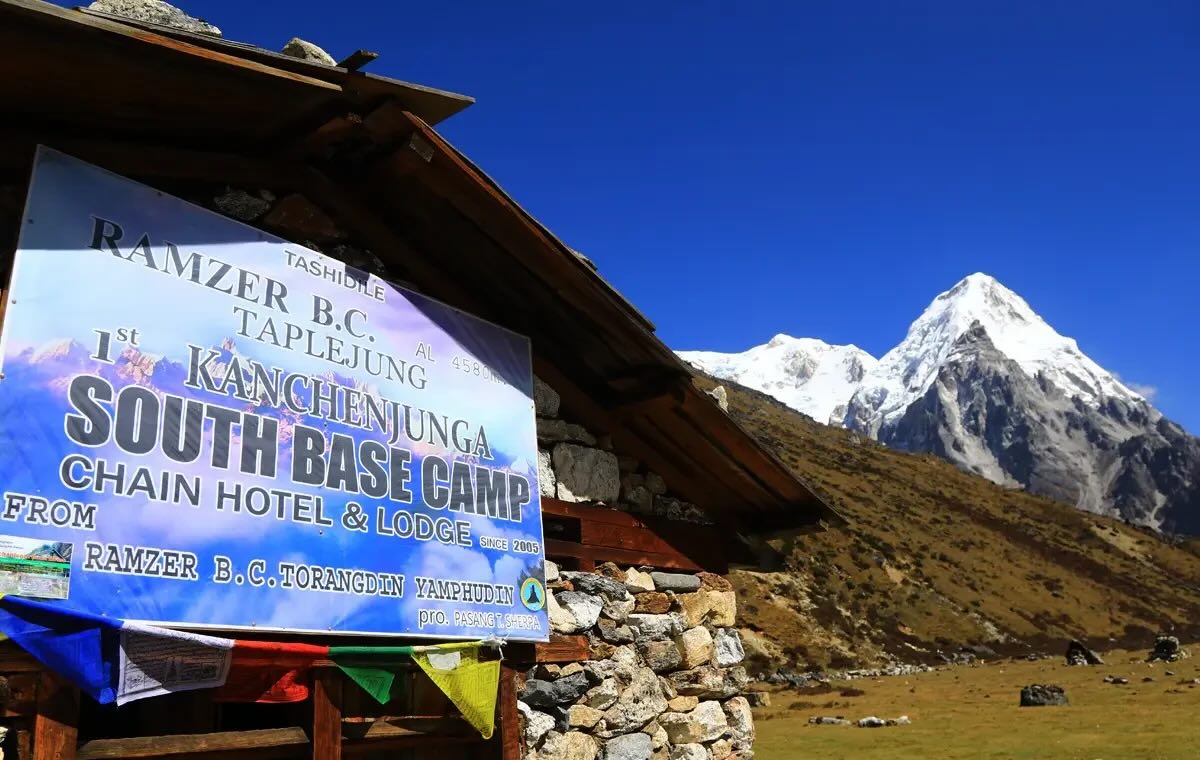
Kanchenjunga South Base Camp
Journey to South Base Camp
The Kanchenjunga south base camp site is different. It is more green, has more forest, and has more living culture. You pass through hills, small villages, cardamom fields, and deep forests. A trail is not the same as north. Here nature is more colorful. Birds, waterfalls, and warm villages give different feelings. From the Tortong and Ramche area, the trail goes higher toward the Oktang viewpoint, which is the South Base Camp area.
View from South Base Camp
South base camp gives a very wide view of the Kanchenjunga range. You see glaciers, icefalls, and long mountain walls. Compared to the north, this side feels more open and has a more dramatic landscape. You can see the Yalung glacier area and surrounding peaks.
Combining North and South Base Camp Trek
Doing only one side is good, but doing both north and south is a full experience. It is like reading the full story of Kanchenjunga, the mountain. You start from lower villages, slowly go up to the north side, and then come down and cross to south-side trails. This journey takes long days; energy is also needed more.
But every day gives different scenery. One day, a snowy desert; the next day, a green forest. One side is silence; the other side is cultural life. This combination trek is not easy, but it gives a complete feeling of the Himalayas. Many trekkers say this is the most complete version of the Kanchenjunga trek.
Difficulty Level and Challenges
The Kanchenjunga trek is not an easy trek. It is considered challenging because of long distance and high altitude. Sometimes walking time is 6 to 8 hours per day. The path is not always smooth. Weather also makes it harder. Altitude sickness can happen if you go fast. So slow walking is very important. But difficulty also brings reward. A hard journey makes views more meaningful.
Best Time for Kanchenjunga Trek
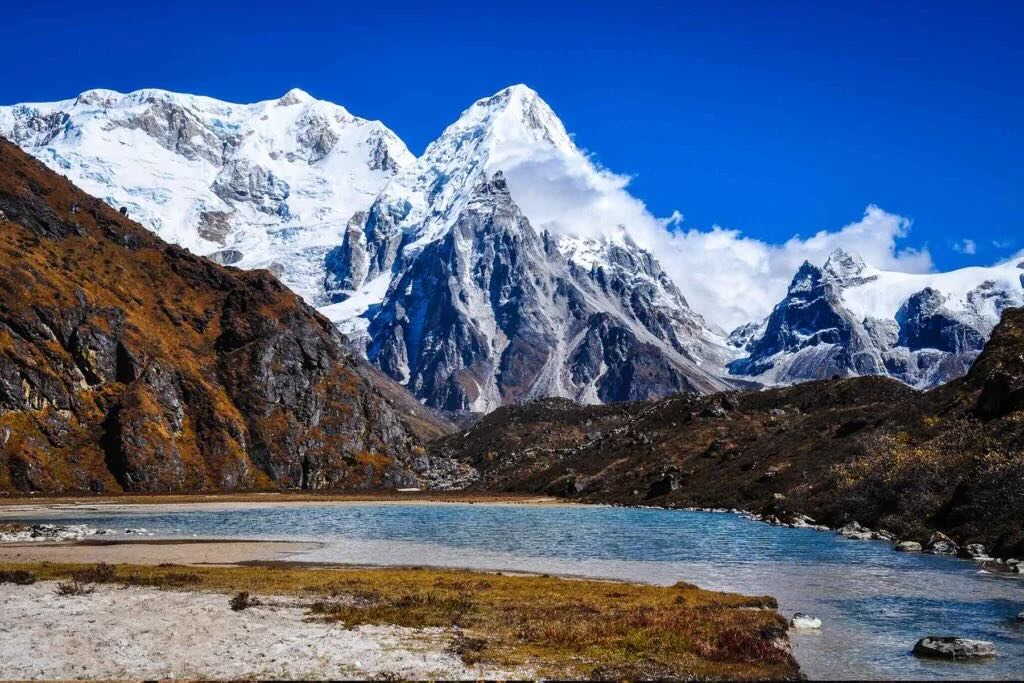
Kanchenjunga trek north and south base camp
The best times are spring and autumn. The spring season gives flowers, rhododendron blooms, and clear weather. The forest becomes colorful. The autumn season gives the best mountain visibility. The sky is clear, the air is fresh, and the temperature is stable. Winter is too cold, and snow blocks the path sometimes. The monsoon is rainy and slippery, so not good.
Permits and Preparation
For the Kanchenjunga trek, special permits are required because it is a restricted area. You need a guide and trekking agency support. Physical fitness is important. You don’t need to be an athlete, but you must be able to walk for long hours. Good shoes, warm clothes, and patience are a must. Mental preparation is also important because the trek is long and remote.
Conclusion
Experiencing the complete Kanchenjunga trek with the north base camp and south base camp is not ordinary travel. It is a long journey into the wild Himalayas, where everything is natural and untouched. It is not a perfect comfort journey, but it is perfect for an adventure feeling. You walk through two different sides of the same mountain, and both sides show the different personality of Kanchenjunga. At the end, you don’t only return with photos; you return with silence inside your mind, a strong memory, and deep respect for mountains.


