

During our Asian Itinerary media trip to Suphanburi, one of the most memorable stops was the Dragon Descendants Museum and temple. Nestled in this historic province, the temple is not just a place of worship but also a showcase of Thai heritage, mythology, and artistry. As an enthusiast of cultural travel, I was eager to explore this unique site, and it definitely exceeded my expectations.
The Significance of the Dragon Descendants Museum
 The Dragon Descendants temple is a modern marvel that beautifully blends traditional Thai temple architecture with mythological storytelling. The museum aims to preserve and celebrate the legendary lineage of the Dragon descendants, believed to be ancestral figures in Thai culture. The temple is a symbol of spiritual connection, storytelling, and cultural pride, making it a must-visit for anyone exploring Suphanburi.
A Brief History of the Temple
Built in the early 21st century, the temple was conceived as a cultural project to honor Thailand’s mythological roots. It was designed by local artisans and architects who sought to create a space that would serve both as a spiritual sanctuary and an educational hub. Over time, it has become a popular destination for both pilgrims and tourists, especially after its inclusion in the Asian Itinerary media trip.
Architectural Marvels and Artistic Details

Dragon Descendants Museum and temple
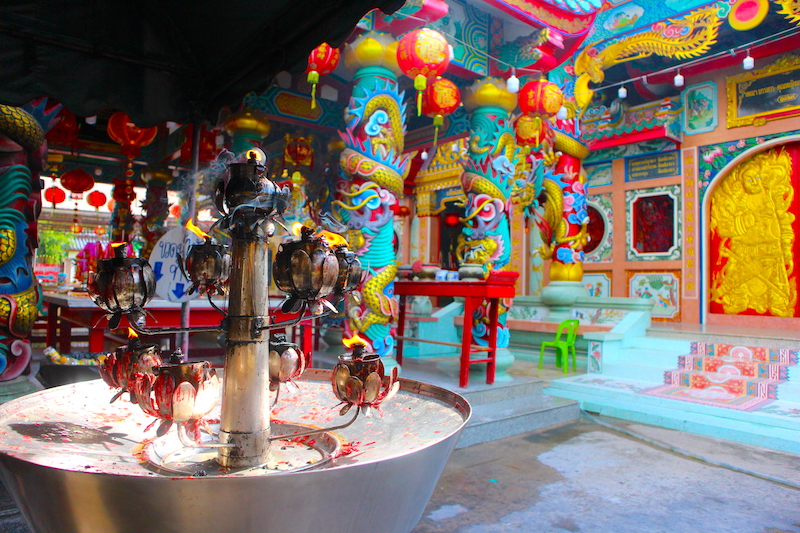
Walking into the Dragon Descendants temple feels like stepping into a mythological world. The architecture is an impressive blend of traditional Thai motifs and contemporary design. The temple’s entrance is guarded by towering dragon sculptures, intricately carved and vividly painted, symbolizing power and protection.
Inside, visitors are greeted with murals depicting legendary tales of dragon ancestors, their heroic deeds, and their significance in Thai culture. The walls are adorned with detailed sculptures, gold accents, and vibrant colors that bring these stories to life. The temple also houses a museum area with artifacts, historical displays, and replicas of ancient relics related to the dragon mythology.
Experiencing Spirituality and Art

The temple’s tranquil grounds create an atmosphere of serenity perfect for reflection and spiritual connection. Visitors can participate in traditional Thai prayers, meditate in peaceful corners, or simply enjoy the lush gardens and scenic courtyards. The museum complements this spiritual experience by offering insights into the mythology that underpins Thai beliefs.
Photography is encouraged but should be done respectfully, especially during prayer or meditation times. Guided tours are recommended for those interested in a deeper understanding of the symbolism behind the artworks and exhibits.
Tips for Visiting
- Best Time to Visit: Early mornings or late afternoons are ideal to avoid crowds and enjoy the tranquil atmosphere.
- Dress Code: As with most temples in Thailand, modest clothing covering shoulders and knees is required.
- Photography: Photography is allowed, but be respectful during prayer times.
- Guided Tours: Consider hiring a local guide for deeper insights into the mythology and symbolism behind the artworks.
Why the Dragon Descendants Museum Temple Should Be on Your Itinerary
 Visiting this temple offers more than just sightseeing; it’s an immersive experience into Thai mythology and artistry. It’s also a testament to Suphanburi’s rich cultural heritage, often overshadowed by more popular destinations in Thailand. Whether you’re a history buff, a lover of art, or seeking spiritual solace, this site provides a meaningful and visually stunning experience.
Final Thoughts
Our visit to the Dragon Descendants Museum and temple was a highlight of the Asian Itinerary media trip in Suphanburi. It’s a place where myth and reality intertwine, offering visitors a glimpse into Thailand’s legendary past. If you’re exploring Thailand’s lesser-known gems, this temple should definitely be on your list.


