
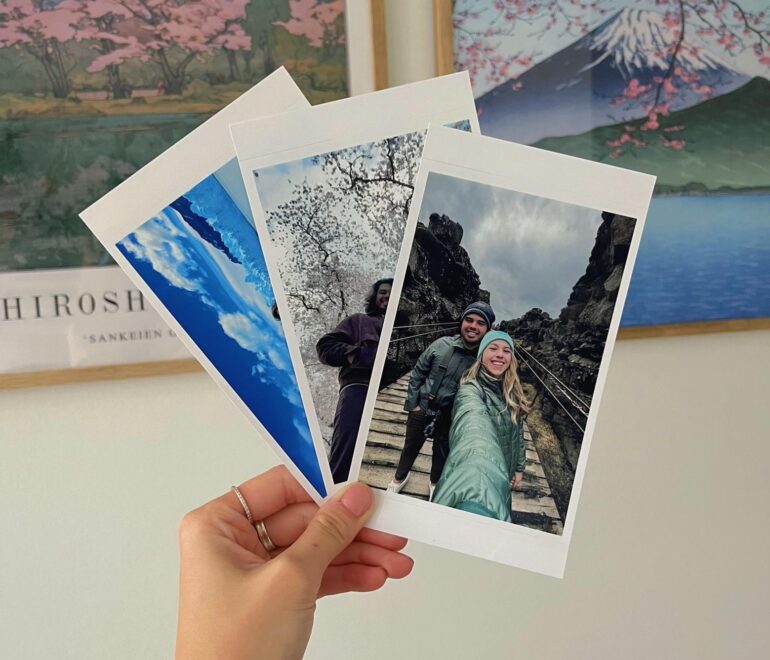
Traveling across Asia exposes you to diverse cultures, environments, and experiences. Without structured preservation, these moments are often reduced to scattered photos or forgotten details. Creating lasting keepsakes requires intentional methods that convert raw travel data into durable, organized formats. The focus should be on transforming experiences into tangible and retrievable assets.
Capture High-Quality Source Material
The foundation of any keepsake is the quality of the original content. Photos, videos, and notes must be captured with enough detail to support long-term use. Images should be taken in high resolution to allow for printing and editing. Video clips should prioritize stability and clear audio to preserve environmental context.
Documentation should include:
- Wide-angle shots for landscapes and environments
- Close-up images for textures, food, and cultural details
- Short written notes describing locations and experiences
High-quality inputs ensure flexibility when creating physical or digital keepsakes later.
Organize Content by Location and Theme
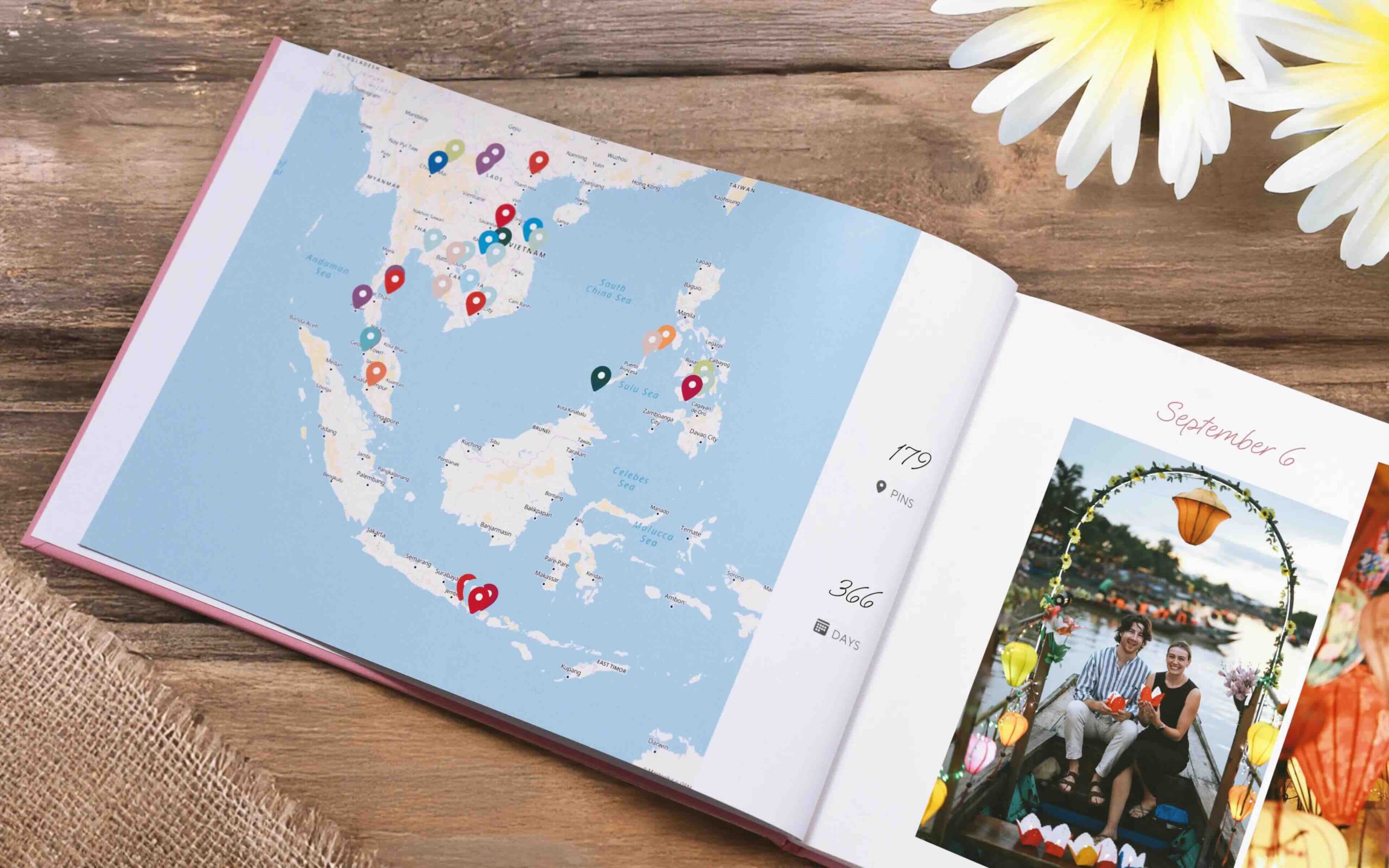
keeping all data in order in a photobook
Raw travel data becomes difficult to use if it is not organized. Structuring content immediately after capture improves long-term accessibility. Files should be grouped by country, city, and activity. Consistent naming conventions allow for quick retrieval and sorting. Effective organization includes:
- Creating folders based on itinerary segments
- Tagging files with location and date metadata
- Separating media types such as photos, videos, and notes
Organized content simplifies the process of building cohesive keepsakes.
Convert Digital Content into Structured Photo Books
Digital storage alone is not sufficient for long-term preservation. Converting content into physical formats provides durability and ease of access. Platforms such as Mixbook allow travelers to compile images and notes into structured photo books. These books can be arranged chronologically or thematically, creating a clear narrative of the trip.
Photo books provide:
- Consolidated storage of visual and written content
- Protection from data loss or device failure
- A physical format that encourages regular engagement
Structured compilation transforms scattered media into a cohesive record.
Preserve Physical Artifacts with Proper Methods
Physical items collected during travel such as tickets, maps, or small souvenirs require proper preservation to maintain condition. These items should be stored in protective materials that prevent fading, tearing, or environmental damage. Acid-free sleeves and controlled storage conditions improve longevity. Preservation practices include:
- Keeping items in dry, temperature-stable environments
- Avoiding direct sunlight exposure
- Using protective enclosures for fragile materials
Proper handling ensures that physical artifacts remain intact over time.
Create Multi-Format Memory Systems
Relying on a single format limits accessibility and durability. Combining multiple formats like digital, physical, and functional create redundancy. For example, photos can be stored digitally, printed in books, and used in functional items. This layered approach ensures that memories are preserved even if one format fails. Multi-format systems improve:
- Long-term reliability of stored content
- Flexibility in how memories are accessed
- Protection against data loss or physical damage
Redundancy is a key principle in effective documentation.
Use Functional Keepsakes for Daily Integration

collecting souvenirs as functional keepsakes while traveling
Keepsakes are more effective when they are integrated into daily use. Functional items allow travel memories to remain visible without requiring dedicated storage. Collecting souvenir items such as coasters from different locations across Asia provides a practical way to preserve regional identity. Many destinations offer coasters featuring local artwork, cultural symbols, city landmarks, or traditional patterns. Each piece represents a specific stop, making them useful as a visual map of your यात्रा.
Using coasters as souvenirs offers:
- A compact and easy-to-pack collectible format
- Distinct designs that reflect local culture and aesthetics
- A functional item that keeps memories in regular use
This method allows travelers to build a collection that is both practical and location-specific, turning everyday use into a continuous reminder of different places visited.
Incorporate Narrative Elements for Context
Visual content alone does not fully capture travel experiences. Adding narrative elements provides context and meaning. Short descriptions, captions, or structured journal entries can be integrated into keepsakes. These elements explain locations, events, and personal observations. Narrative integration allows:
- Better understanding of the significance of each moment
- Preservation of details that images cannot capture
- A more complete representation of the journey experience
Context transforms images into meaningful records.
Maintain Long-Term Accessibility
Travel keepsake preservation Asia
Keepsakes must remain accessible over time. Digital files should be backed up across multiple platforms, while physical items should be stored in organized systems. Accessibility considerations include:
- Using cloud storage with regular backups
- Maintaining consistent labeling for physical items
- Periodically reviewing stored content for preservation quality
Long-term access ensures that keepsakes retain their value.
Turning an Asia trip into lasting keepsakes requires structured capture, organization, and preservation. High-quality source material, combined with photo books, functional items, and proper storage methods, ensures that experiences remain accessible and meaningful. By applying systematic approaches, travelers can convert temporary moments into durable records that retain both visual and contextual value over time.


