
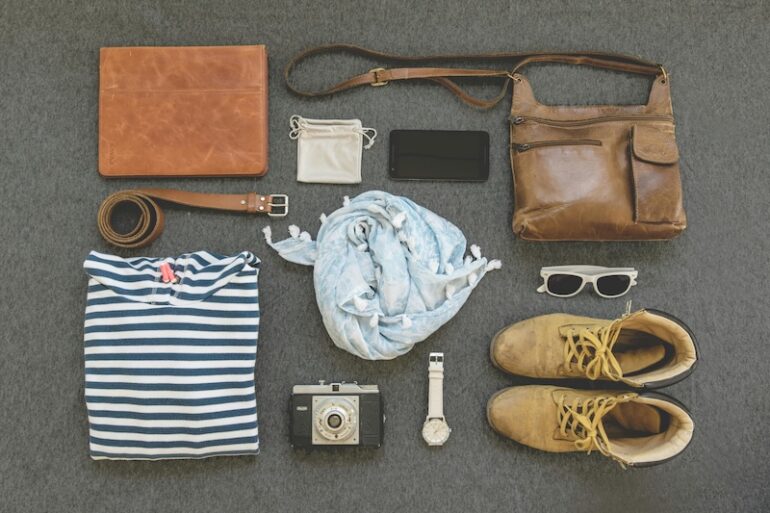
Travel wardrobes must balance adaptability, durability, and compact packing. Upgrading them creatively involves introducing modular design elements, functional customization, and versatile styling systems. The objective is to expand outfit variation without increasing luggage volume or compromising performance.
Below are structured approaches to improving travel clothing while maintaining efficiency.
Use Modular Layers for Maximum Versatility
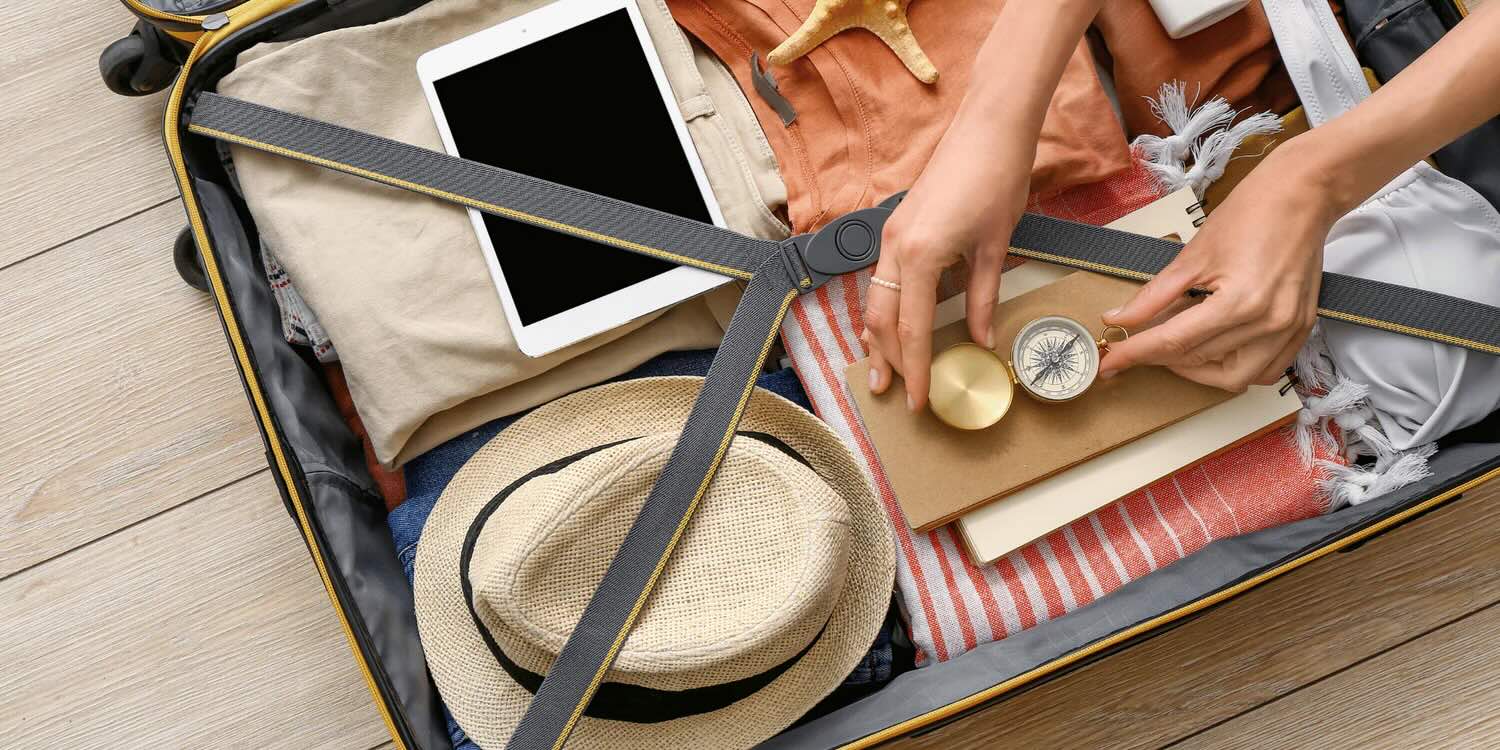
Lightweight jackets, overshirts, and convertible garments increase flexibility.
Layering systems allow a small number of garments to produce multiple outfit combinations. Each layer should serve a distinct function—base for comfort, mid-layer for insulation, and outer layer for protection.
Lightweight jackets, overshirts, and convertible garments increase flexibility. These items can be added or removed depending on climate conditions while also changing the visual profile of the outfit.
Modular layering improves:
- Adaptability across temperature ranges
- Outfit variation without additional packing
- Efficiency in transitioning between activities
This approach creates multiple looks from a limited set of clothing.
Add Custom Elements Without Increasing Bulk
Customization can be introduced through lightweight additions that do not affect packing efficiency. Fabric-based modifications are particularly effective because they integrate directly into existing garments.
Using iron on patches for clothes allows travelers to personalize jackets, denim, or bags with minimal effort. These patches can represent destinations, interests, or visual themes without altering garment structure.
Placement should be strategic—areas such as sleeves, chest panels, or bag surfaces provide visibility while maintaining functionality.
This method enhances individuality while preserving garment performance.
Select Multi-Function Garments
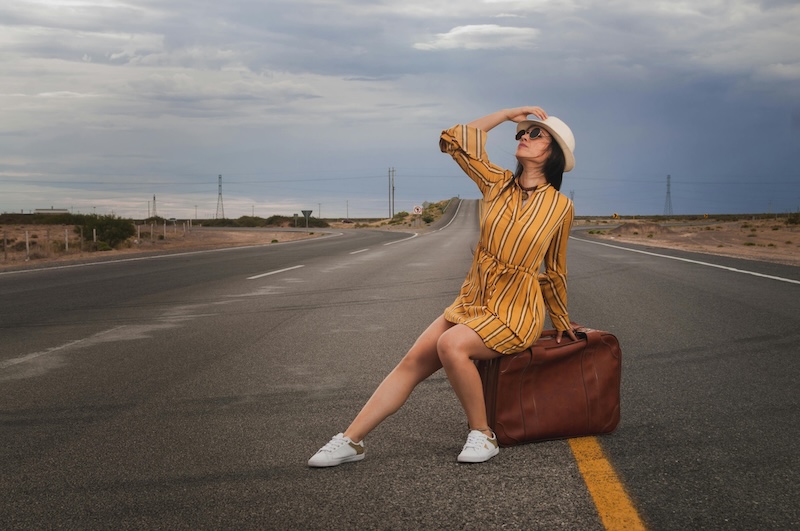
travel wardrobe tips packing light
Multi-function clothing reduces the number of items required while increasing usability. Examples include reversible jackets, convertible pants, and moisture-wicking shirts that transition between casual and active use.
Technical fabrics improve performance by managing moisture, resisting odor, and maintaining durability under repeated use. Neutral base colors allow these garments to integrate easily with other pieces.
Multi-function design supports:
- Reduced packing volume
- Increased outfit combinations
- Consistent performance across activities
Efficiency is achieved through versatility rather than quantity.
Incorporate Sport-Inspired Apparel
Sport-inspired clothing offers durability, flexibility, and structured design. These garments are engineered for movement, making them suitable for extended travel.
Items such as custom soccer jerseys provide breathable fabrics and lightweight construction. They can be styled casually or layered for different environments.
Sport-based apparel contributes:
- Enhanced comfort during long periods of wear
- Improved ventilation in warm climates
- Distinct visual identity through design elements
Color coordination is essential
Integrating these pieces adds both function and variation.
Optimize Color Coordination for Flexibility
Color coordination is essential for maximizing outfit combinations. A controlled palette allows different items to be mixed without clashing.
Base colors such as black, grey, and navy provide consistency. Accent colors can be introduced through accessories or customized elements.
Effective color strategies include:
- Using complementary tones for cohesion
- Limiting the number of dominant colors
- Ensuring compatibility across all garments
A structured color system increases outfit variety without additional clothing.
Upgrade Accessories for Visual Impact
Accessories provide high-impact customization with minimal space requirements. Items such as hats, scarves, and belts can change the overall appearance of an outfit.
Functional accessories should also serve practical purposes, such as sun protection or temperature regulation. This ensures that customization does not compromise usability.
Accessory upgrades allow rapid changes in style without altering core garments.
Customize Travel Bags as Part of the Outfit
Use Modular Layers for Maximum Versatility
Travel bags are part of the overall wardrobe system. Customizing them creates visual continuity between clothing and accessories.
Adding patches, tags, or design elements to backpacks and carry-ons enhances both style and identification. This is particularly useful in crowded travel environments.
Bag customization extends personalization beyond clothing.
Focus on Footwear Versatility
Footwear must support extended walking, varied terrain, and different social settings. Selecting versatile designs reduces the need for multiple pairs.
Neutral, durable footwear can transition between casual and semi-formal environments. Minor modifications, such as lace changes, can introduce variation without affecting performance.
Versatile footwear ensures comfort while maintaining stylistic flexibility.
Maintain Packing Efficiency While Upgrading
Creative upgrades should not increase luggage complexity. Each addition must justify its inclusion through multiple uses or minimal space requirements.
Efficient packing strategies include:
- Prioritizing lightweight materials
- Avoiding redundant items
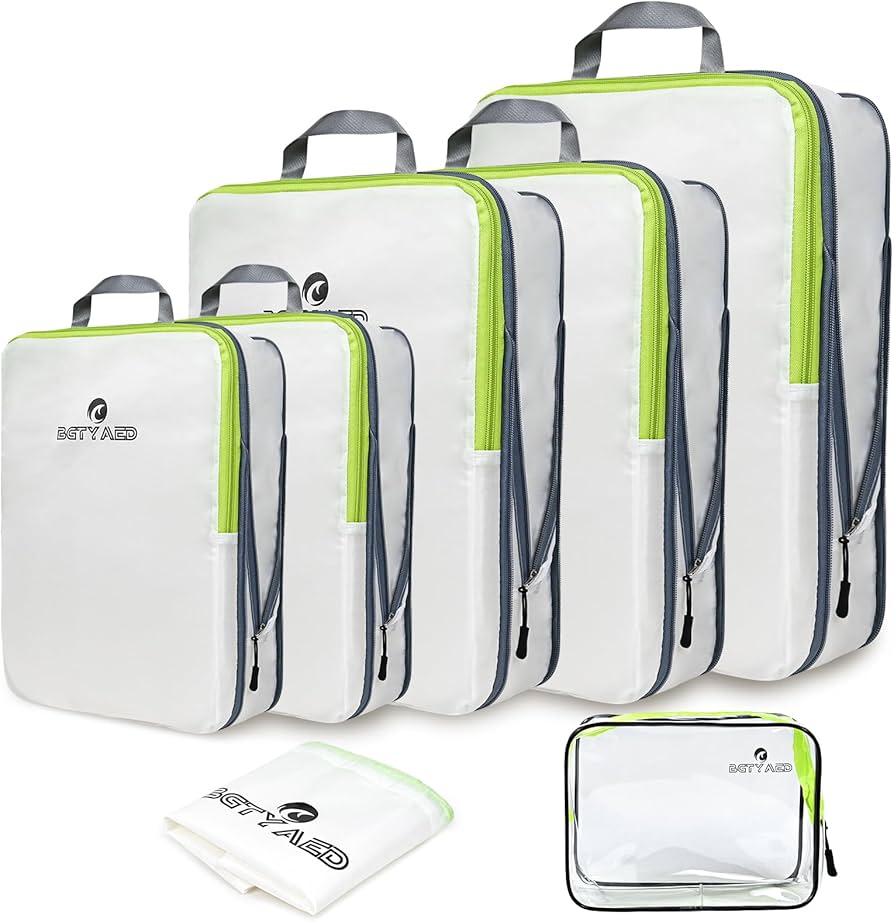
- Using compression techniques for storage
Maintaining efficiency ensures that wardrobe upgrades remain practical.
Upgrading a travel wardrobe requires a structured approach that integrates modular design, functional customization, and efficient packing. By combining versatile garments, lightweight personalization, and coordinated styling, travelers can expand outfit options without increasing luggage. The result is a wardrobe that performs effectively across environments while reflecting individual style.


