
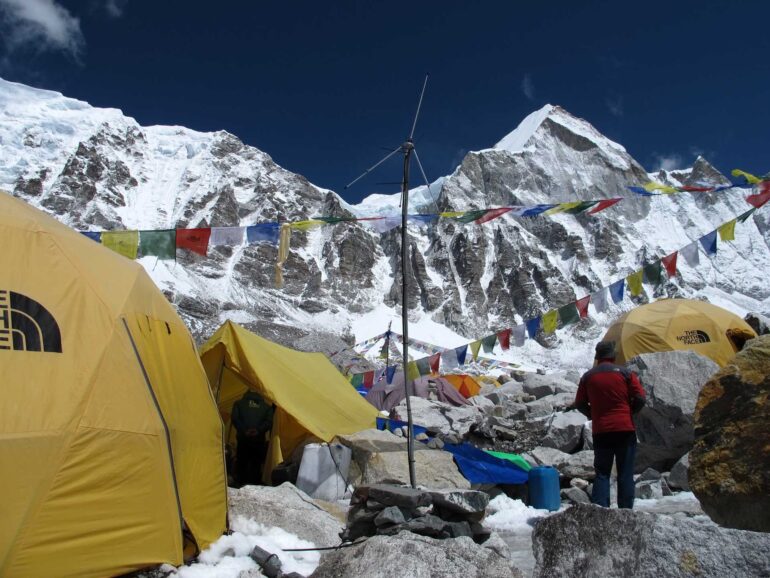
For decades, Mount Everest has stood as the ultimate symbol of adventure, drawing climbers from every corner of the globe. Yet Nepal, a land of soaring horizons and untold stories, is now inviting travelers to look beyond the world’s tallest peak and explore its lesser-known treasures.
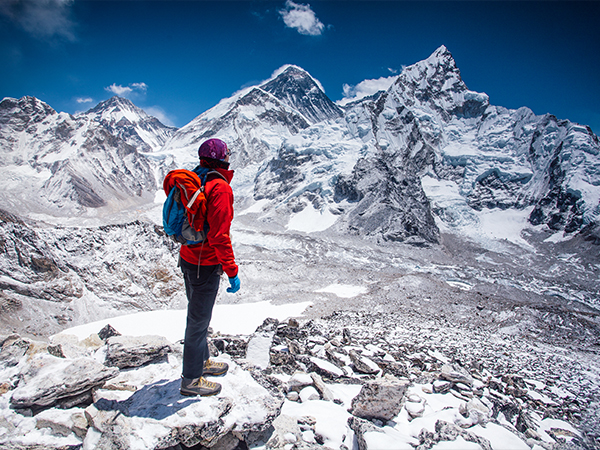
Climber in Nepal
Starting this September, Nepal will waive permit fees for 97 mountains scattered across its far-western region. For two years, these remote peaks—many of them rarely climbed and barely mapped in the traveler’s imagination—will be free to summit. The initiative isn’t just about boosting numbers; it’s about reshaping how the world experiences the Himalayas.
The Allure of the Unseen
The far-western provinces of Nepal are among the country’s poorest and least developed, yet they possess a raw, untouched beauty. Jagged ridgelines rise above silent valleys, glaciers feed into turquoise rivers, and trails wind through traditional villages that see only a trickle of visitors each year. Until now, expensive permits and difficult access have kept these landscapes far from the mainstream climbing scene. By removing one of the major barriers, Nepal hopes to lure a new wave of explorers—mountaineers, trekkers, and curious adventurers eager for something different.
 Himal Gautam, director of Nepal’s Tourism Department, explains: “Despite their breathtaking beauty, the number of tourists and mountaineers here is very low as access is so difficult. We hope the new provision will help.” His words highlight a broader vision: not just attracting climbers, but also bringing opportunities and economic growth to communities that have remained on the fringes of tourism.
Protecting Everest, Unlocking New Horizons
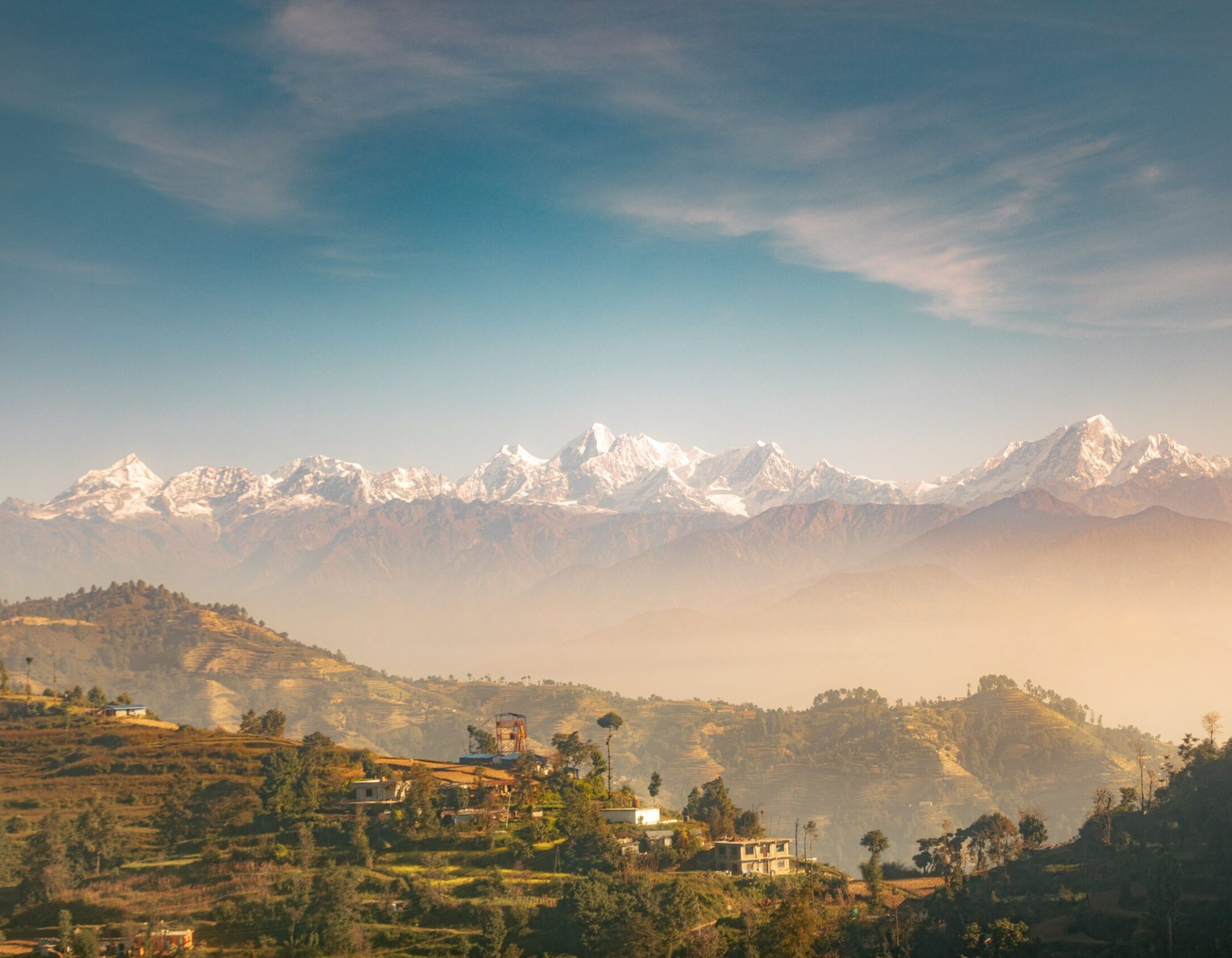
Nepal famous peaks
At the same time, Nepal is setting stricter conditions on its most iconic mountain. From September, the permit fee to climb Everest during peak season will rise to US$15,000—the first increase in almost a decade. This move aims to address overcrowding, environmental strain, and safety concerns on the world’s highest peak.
The message is clear: Everest is priceless, but so too are the countless other mountains that define Nepal’s horizon.
A Call to the Adventurous
For climbers and travelers, this moment represents a rare invitation. Imagine standing on a summit where no crowds gather, where prayer flags flutter in solitude, and where the only sound is the wind brushing across untouched snowfields. Nepal is opening the door to new adventures, encouraging the world to discover that its magic extends far beyond Everest. In the next two years, the hidden Himalayas await.


