
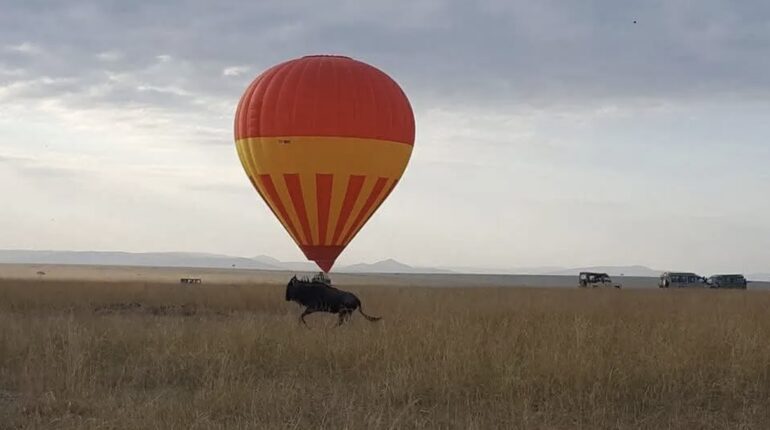
Africa is a big dream for many people, and Masai Mara National Park is one place where this dream becomes real. This land is full of wild animals, a big sky, golden grass, and life moving freely. When people say “Masai Mara Safari,” they mean not just a trip; they mean a feeling of nature, raw and powerful. From early morning sunrise to evening sunset, everything here looks like a movie, but it is real.
Masai Mara safari give you a chance to see animals up close — a lion walking slowly, an elephant moving in a group, a cheetah running fast. This place is also famous for the Great Migration, where thousands of wildebeest cross rivers with danger. The culture of the Maasai people makes this place special too, because they live simple lives with strong traditions.
What is a Masai Mara Safari?
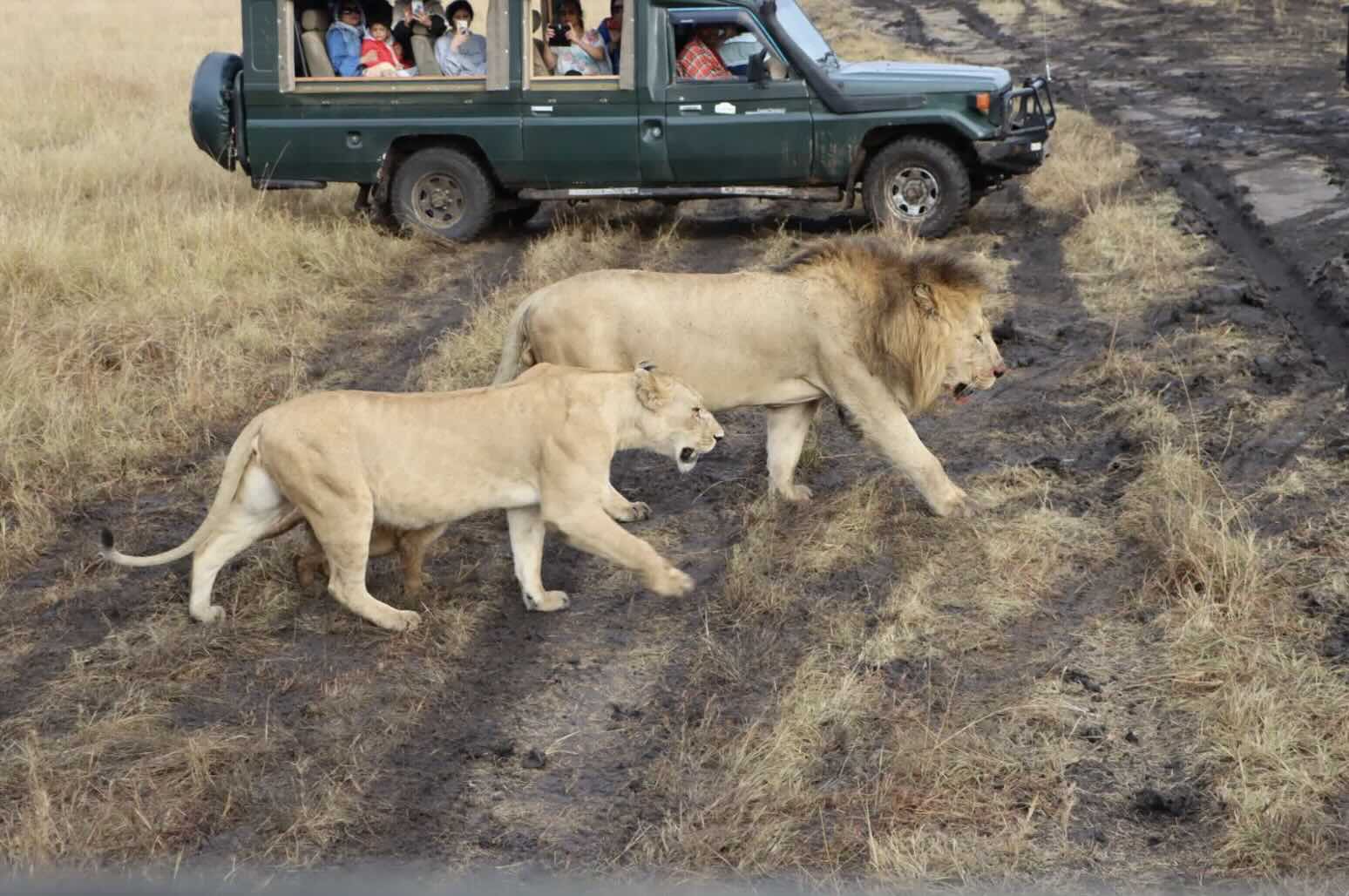
Masai Mara is one of the best wildlife ecosystems in the world
A Masai Mara safari is a journey into wild nature, where you go inside a big land full of animals. This land is part of Kenya and connects with Serengeti National Park in Tanzania. Together, they make one of the best wildlife ecosystems in the world. In safari vehicles with expert guides, you are taken to places where you can see lions, leopards, elephants, buffalo, and rhino — the famous Big Five. A safari is not just about animals; it is also about nature. You hear birds, wind in grass, and sometimes lions roar in the distance.
Why Masai Mara National Park is Famous
Masai Mara National Park is famous for many reasons, and people visit again and again. First, it is known for the Great Migration. Every year, millions of wildebeest, zebras, and gazelles move from Serengeti National Park to Masai Mara, crossing rivers where crocodiles wait. This moment is dangerous and exciting, and many photographers come to capture it. Second, animals here are easy to see — the land is open, so you can spot a lion or elephant even from a distance. Third, Maasai culture makes this place special. Maasai people wear red clothes, live in villages, and protect their traditions. Also, the weather is good most of the year, so a safari can be done anytime.
Best Time for Masai Mara Safaris
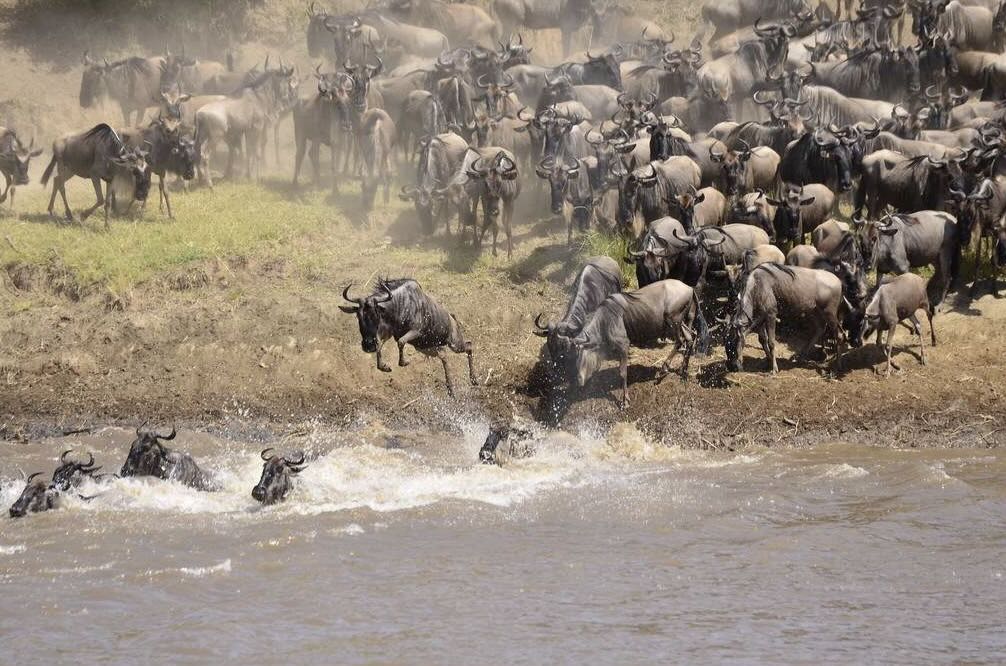
Great migration Africa
July to October is the best time for the Great Migration — peak season forat Masai Mara safaris, with higher prices but an unforgettable experience. November to March is less crowded, ideal for a peaceful safari and excellent bird watching. April and May are the rainy seasons: roads can be muddy, but the landscape turns beautifully green and prices drop significantly.
Animals You Can See
Masai Mara is home to remarkable wildlife, and each safari brings new surprises. The Big Five — lion, elephant, leopard, buffalo, and rhino — are the headline act, but you will also encounter cheetahs, giraffes, zebras, hyenas, hippos, crocodiles, eagles, and flamingos. Every game drive is different, and you never know what you will see next.
Types of Safari
There are several ways to experience Masai Mara. The game drive is the most common — a vehicle with a guide, best done in the early morning or evening when animals are most active. A hot air balloon safari is special and expensive, offering a breathtaking aerial view of the plains at sunrise. Walking safaris give a close, ground-level feel of the bush. Cultural safaris take you into a Maasai village to learn about local life and traditions — a dimension of the experience that many visitors find deeply meaningful.
Accommodation
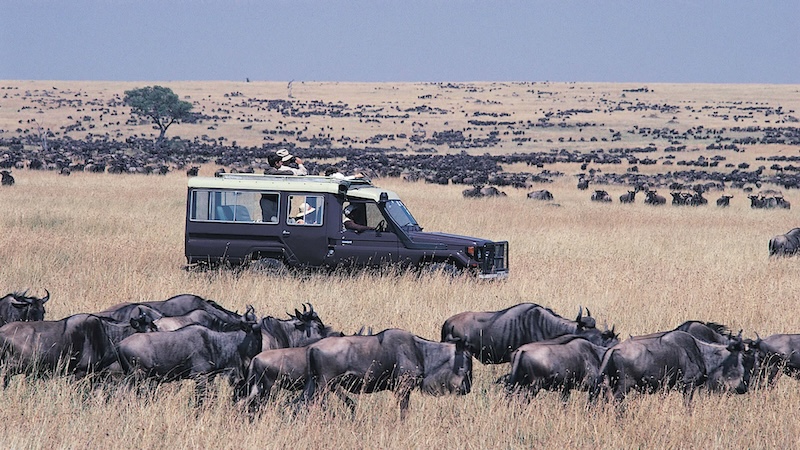
Masai Mara National park
Masai Mara offers options for every budget. Budget camps provide simple tents with basic facilities. Mid-range lodges offer comfortable rooms, good food, and scenic views. Luxury camps deliver high-end tents with private service, swimming pools, and sometimes direct views of animals from your room. Staying inside the park gives the best experience, keeping you close to nature at all times.
Cost
Cost of the Masai Mara safari depend on season, accommodation type, and duration. As a general guide: budget safaris run from $150 to $250 per day; mid-range from $250 to $500; luxury from $500 to $1,000 or more. These prices typically include accommodation, meals, park fees, and game drives. International flights and activities such as balloon safaris are usually extra.
How to Get There
You first fly or travel to Nairobi. From there, by road the journey takes around five to six hours by jeep — long but scenic. By air, small charter planes fly from Nairobi to airstrips inside Masai Mara in around 45 minutes. Many safari packages include transport, making it straightforward to arrange.
Tips for the Best Experience
Wake up early for morning game drives when animals are most active. Carry a camera with good zoom. Wear comfortable clothing in neutral colours. Always follow your guide’s instructions and keep a safe distance from animals. Drink plenty of water — the heat and activity add up quickly. Respect nature and leave no waste behind.
The Maasai People
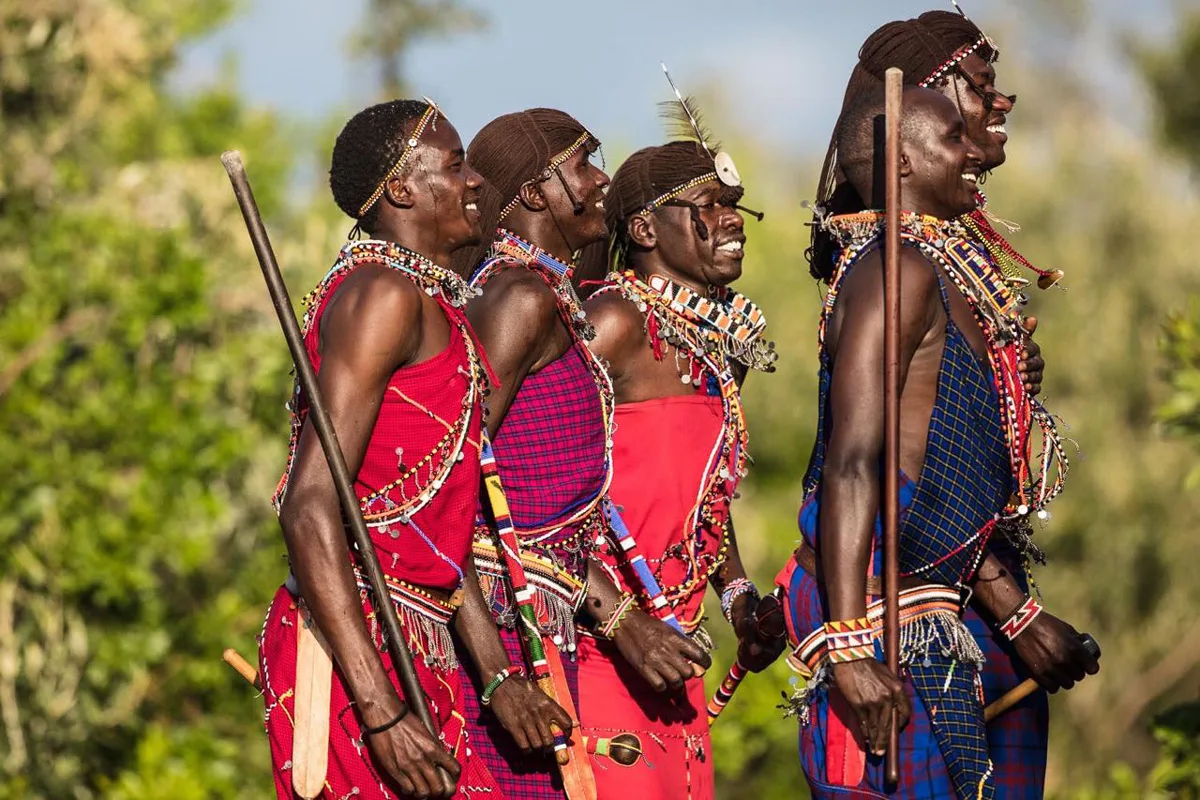
The Maasai are a traditional tribe
The Maasai are a traditional tribe living near Masai Mara, famous for their red clothing and energetic jumping dance. They depend on cattle and live in close-knit villages. Visitors can see their homes, learn about their customs, and even join in dance. This cultural experience adds a human dimension to the safari that stays with you long after you leave.
Conclusion
A Masai Mara safari is one of the greatest travel experiences in the world. From the drama of the Great Migration to the quiet power of watching an elephant with her calf, from luxury camps under the stars to simple tents in the bush, everything here creates memories for a lifetime. If you want real adventure and a deep connection with the wild world, Masai Mara is the perfect choice. Once you go, you will always remember the sound of nature and the beauty of Africa.


