

In September 2025, Krabi became the heart of a landmark event in sustainable tourism. The Global Meaningful Travel Summit, co-organized by the Tourism Authority of Thailand (TAT) and Tourism Cares, was hosted in Krabi and Bangkok, marking the first time this summit reached Southeast Asia.
More than 40 international delegates—including tour operators, airlines, and media from the United States—gathered to experience Thailand’s flagship sustainability initiative: the Krabi Prototype. This model positions Krabi as a living example of how tourism can balance natural beauty, local communities, and long-term preservation.
The Krabi Prototype: A Model of Balance
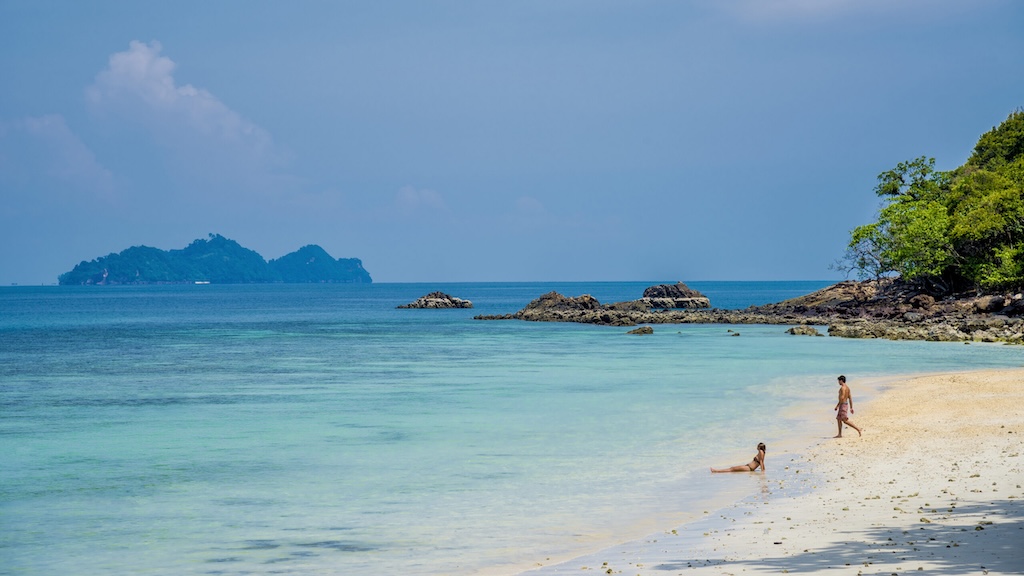
Mu Ko Lanta National Marine Park – Ko Ngai
Known for its famous Maya Bay, the Phi Phi Islands, and the dramatic limestone cliffs of Railay, Krabi has long been a magnet for travellers. But behind the postcard-perfect landscapes lies a carefully structured sustainability plan.
The Krabi Prototype integrates eco-tourism, community engagement, and environmental protection into a cohesive framework. In 2023, Khlong Thom Hot Springs earned global recognition by making the Green Destinations Top 100 Stories list, a testament to the area’s forward-thinking approach to conservation and climate resilience.
According to TAT Governor Thapanee Kiatphaibool, “Krabi represents the balance we aspire to achieve across Thailand—preserving natural beauty and culture while communities benefit from tourism.”
Sustainable Practices and Local Involvement
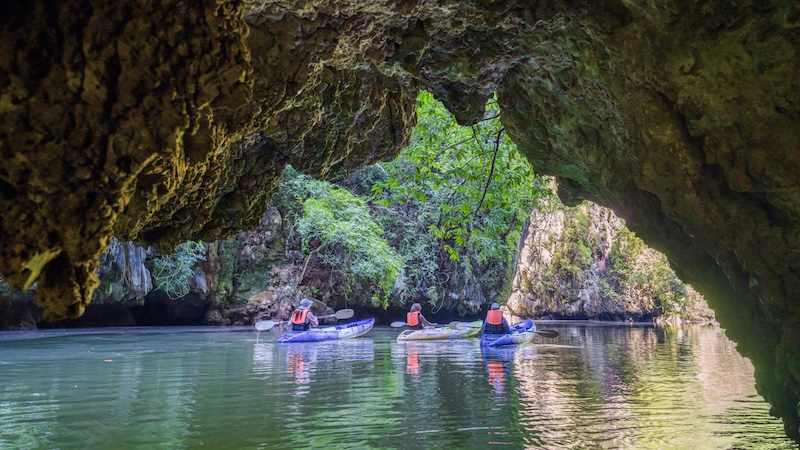
Ban Nai Nang Community, Krabi
Delegates to the summit visited Laem Sak and Ban Nai Nang, two communities showcasing practical models of sustainability. From waste management systems to traditional crafts and eco-certified tourism activities, these villages demonstrated how grassroots projects can make a global impact.
Beyond these visits, travellers to Krabi can explore mangrove forests at Ban Thung Yee Peng, join marine conservation efforts around Ko Ngai, or support community-led tours on Koh Klang. These activities highlight how sustainability is no longer a niche but part of the mainstream Krabi experience.
Local businesses are also raising the bar: 119 operators have earned STAR certification, 65 hotels are registered under CF–Hotels for carbon reduction, and 16 have received Thailand Tourism Awards for responsible practices.
Community Voices and Cultural Tourism
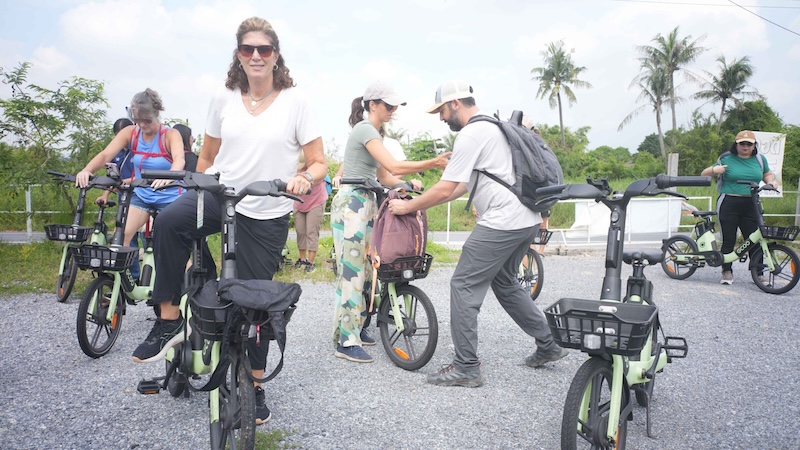
Krabi sustainable tourism
One of Krabi’s strongest assets is its people. Eight villages—including Koh Klang, Nai Nang, and Laem Sak—are leading through hands-on initiatives like batik workshops, stingless beekeeping, and cultural exchanges. These experiences connect visitors with traditions while ensuring tourism dollars directly benefit residents.
Strict local pledges, such as bans on jet skis and mass beach furniture, further protect Krabi’s fragile ecosystems. Over the past decade, these commitments have created a shared declaration of sustainability that unites communities and tourism stakeholders alike.
Krabi’s Role in Thailand’s Future

Rubber producer in Thailand
Krabi also reflects Thailand’s dual economy. While celebrated as a dream destination, the province is also a hub for agriculture, producing palm oil, rubber, Musang King durians, and robusta coffee. This mix of natural and cultural wealth enhances its identity as a meaningful travel destination.
The summit also reinforced Thailand’s international reputation. Through the Meaningful Travel Map of Thailand, over 45 organizations—including 11 Krabi operators—are now part of Tourism Cares’ global network. This connection extends Krabi’s influence into markets like the US, where demand for responsible travel is rising.
Conclusion: A Sustainable Road Ahead
The 2025 Global Meaningful Travel Summit proved that Krabi is more than a paradise of white-sand beaches and turquoise seas—it is a prototype for sustainable tourism. By integrating environmental stewardship, community empowerment, and cultural respect, Krabi shows that travel can be both meaningful and regenerative.
For visitors, this means that every long-tail boat ride, village workshop, or eco-tour is not just a memorable experience—it’s a contribution to a more sustainable future.


