

Nestled in the foothills of the Himalayas, the Kathmandu Valley stands as a testament to centuries of rich cultural, religious, and architectural development. Recognized as a UNESCO World Heritage property, the valley is inscribed as seven distinct Monument Zones, each representing a vital aspect of its historical urban and religious fabric. These zones include the historic Durbar squares of Kathmandu, Patan, and Bhaktapur, along with prominent religious ensembles such as Swayambhu, Boudhanath, Pashupati, and Changu Narayan.
The Monument Zones and Their Significance
 The Durbar squares serve as the heart of each city, featuring palaces, temples, and bustling public spaces that reflect the political and cultural grandeur of Nepal’s historic kingdoms. Meanwhile, the religious ensembles are crucial for understanding the spiritual landscape of the valley.
- Swayambhu: Home to the oldest Buddhist monument in the valley, a venerable stupa that symbolizes the enduring Buddhist tradition in Nepal.
- Bauddhanath: Contains the largest stupa in Nepal, a major pilgrimage site and a hub of Tibetan Buddhism.
- Pashupati: Encompasses an extensive Hindu temple precinct dedicated to Lord Shiva, highlighting the importance of Hindu worship in the region.
- Changu Narayan: Features a traditional Newari settlement and one of the earliest inscriptions from the 5th century AD, along with a Hindu temple complex that exemplifies Nepalese temple architecture.
Architectural Features and Craftsmanship

Kathmandu Valley UNESCO Heritage
The monuments are characterized by their distinctive architectural typologies, primarily constructed from fired brick, mud mortar, and timber. Their roofs are adorned with small overlapping terracotta tiles and gilded brass ornamentation, showcasing the high level of craftsmanship of the Newar people—the indigenous inhabitants of the valley. Richly carved windows, doorways, and roof struts further exemplify their artistic mastery.
Stupas—symbolic Buddhist monuments—are notable for their simple yet powerful forms, with massive whitewashed hemispheres supporting gilded cubes bearing the all-seeing Buddha eyes. These architectural elements reflect both spiritual symbolism and artistic excellence.
Cultural Fusion and Artistic Heritage
The development of Buddhism and Hinduism in Nepal is marked by a remarkable fusion of religious practices and artistic traditions, especially between 1500 and 1800 AD. This period saw the emergence of intricate and highly developed craftsmanship in brick, stone, timber, and bronze, manifesting in palace complexes, temples, and stupas. The unique urban settlements of the Newars, with their detailed ornamentation and traditional construction techniques, stand as some of the most advanced in the world.
Outstanding Universal Value
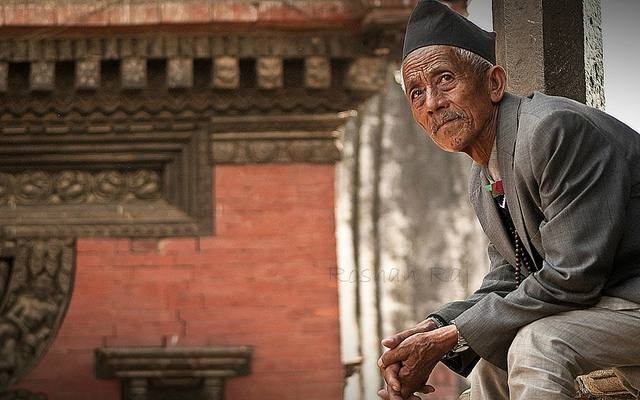
The Newar People- Old Inhabitants of Kathmandu
The Kathmandu Valley’s monuments embody several UNESCO criteria:
- Criterion (iii): They are an exceptional testimony to the traditional civilization of the valley, reflecting a multi-ethnic society with distinct cultural traditions. The Newars’ craftsmanship and urban development are unparalleled, and the coexistence of Hinduism, Buddhism, animist rituals, and Tantrism is uniquely manifested here.
- Criterion (iv): The region’s architecture exemplifies highly developed cultural expressions, with palace complexes, temples, and stupas that are unique to the valley and represent a pinnacle of Nepalese artistry.
- Criterion (vi): The sites are directly associated with legends, rituals, and festivals that are integral to the spiritual and cultural life of the local communities, illustrating the tangible connection between religious practice and architectural expression.
Preservation, Integrity, and Management
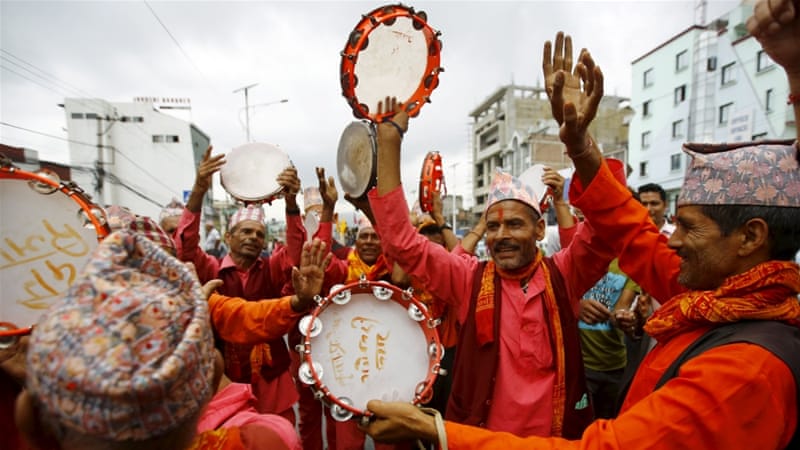
Buddhism and Hinduism in Nepal
The Kathmandu Valley’s attributes are well-preserved within the boundaries established by the World Heritage designation, with most buildings remaining in good condition. An Integrated Management Plan, adopted in 2007, coordinates efforts among various levels of government and non-governmental organizations to protect these monuments from urban encroachment and development pressures.
While urbanization continues, the authenticity of the historical ensembles is maintained through their traditional forms, materials, and setting. The protection measures are reinforced by national legislation, including the Ancient Monument Preservation Act of 1956, which affords the highest level of protection to these sites.

Boudhanath Stupa
Furthermore, disaster risk management is a critical component of ongoing preservation efforts, ensuring that the valley’s monuments are safeguarded against natural calamities and future threats.
Conclusion
The Kathmandu Valley’s seven Monument Zones stand as a vivid reflection of Nepal’s rich cultural tapestry, architectural ingenuity, and religious diversity. Recognized for their outstanding universal value, these sites exemplify a unique blend of artistic excellence and spiritual tradition that continues to inspire and attract visitors from around the world. Through sustained management and preservation efforts, the enduring legacy of the Kathmandu Valley remains safeguarded for future generations.


