
Planning your first trip to Japan can feel like opening a puzzle box: every time you lift one panel, three more appear. The good news is that Japan rewards a little structure with a lot of freedom. Build a simple skeleton of seasons, a handful of regions, and a transport plan you actually understand, and the rest—temples at golden hour, ramen at midnight, a shy hello from a shopkeeper—falls neatly into place.
If you are weighing DIY planning against a more curated approach, you can browse Japan vacation packages 2025 as a reference point, then use the guide below to tailor dates, routes, and on-the-ground moves to your style.
When to go
Spring (March to May). Cherry blossom season is Japan’s postcard moment. Blooms start in the south and roll north; exact timing varies by year and region. Expect mild days, cool evenings, and crowds in popular parks. Book hotels early if your dates line up with peak bloom. If you miss the exact week, no stress—late spring still delivers clean light, fresh greens, and comfortable walking weather.
Summer (June to August). The rainy season softens the air in June, then July and August turn hot and humid on the main island. This is festival time: lanterns, drum lines, street food, and fireworks. Coastal breezes help in places like Kamakura or Kanazawa, and mountain towns such as Takayama or Karuizawa make excellent heat escapes. Hokkaido’s short summer is cool and green, ideal for hiking and wildflowers.
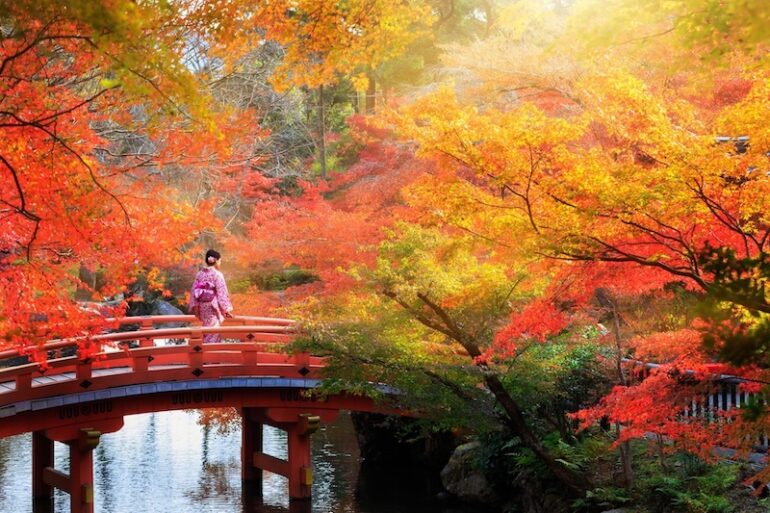
Autumn (September to November). Think clear skies and crisp evenings. Typhoons can brush parts of Japan in early autumn, but the season quickly settles into gold-and-scarlet foliage, especially in Kyoto’s temple gardens and around the Japan Alps. It is a gift for photographers and walkers.
One way to guarantee that reset is to book it. Taizo-in, a sub-temple of Myoshin-ji, opens before or after public hours for a private tour of its garden, a short zazen sitting and matcha, with nobody else on the grounds. Wabunka lists it as a private visit.
Winter (December to February). Illuminations sparkle in cities, and the north gets deep powder. Skiers gravitate to Hokkaido and Nagano, while non-skiers chase onsen towns for hot springs framed by snow. In the south, cities stay active and relatively crowd-light. Pack layers; trains and shops are warm inside.
Where to start: gateway cities and classic arcs
 Tokyo is the natural gateway for many travelers. It is a cluster of villages stitched into one mega-city, each with a distinct mood. Start with contrasts: the lantern lines and temple smoke of Asakusa; the scramble and neon of Shibuya; the skyscraper views from Shinjuku; and the museum greens of Ueno. Balance big sights with small rituals—coffee in a kissaten, a morning walk through a neighborhood shrine.
Kyoto is the counterpoint. Temples and gardens are scattered across low hills and narrow lanes; the trick is to slow down. Pick a district and linger. Arashiyama at first light, the vermilion gates of Fushimi Inari outside peak hours, a tea house where time folds politely in on itself.
Osaka sits in the middle with a grin and a skewer. It is street food, river walks, and nightlife that runs later than your itinerary admits. Many first-timers use the Tokyo–Kyoto–Osaka triangle as a base arc, adding side trips that flex to weather and energy.
Easy add-ons
- Hakone and the Fuji Five Lakes for hot springs, views of Mount Fuji when skies are clear, and open-air art.
- Nara for a day of temples and gently pushy deer.
- Kanazawa for a top-tier garden, Edo-era lanes, and coastal seafood.
- Takayama and Shirakawa-go for wooden towns and thatched farmhouses in the mountains.
- Hiroshima and Miyajima for reflection at the Peace Memorial and an island torii floating at high tide.
- Sapporo and Otaru in Hokkaido for cool summers and snow-bright winters.
- Okinawa for warm seas, subtropical beaches, and a different cultural cadence.
What to see: highlights with context
In Ja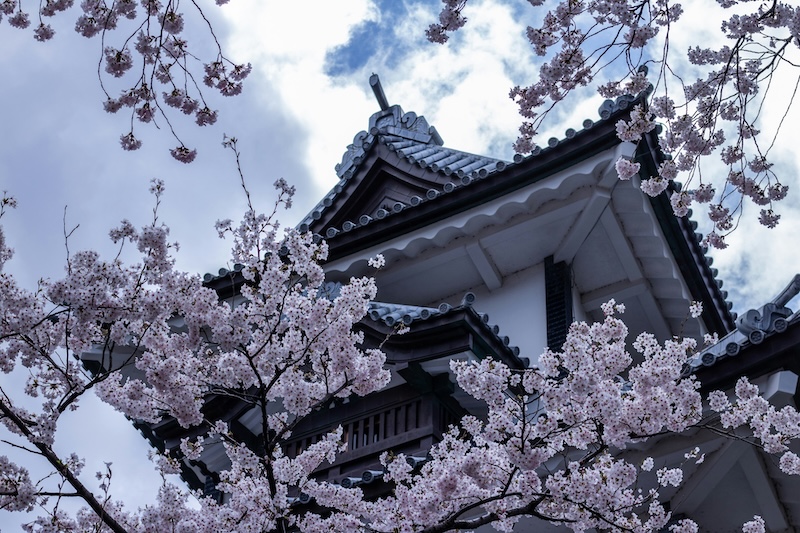 pan, the “what” matters less than the “when” and “how.” Aim for a rhythm: one major sight when it opens, one neighborhood wander, one quiet pause, one meal you remember.
In Tokyo, consider a morning at Meiji Shrine before Harajuku wakes up; a lunchtime detour for ramen or tempura; a late-afternoon view from Roppongi Hills or Tokyo Skytree; and an evening in an izakaya where you point, smile, and let the staff steer you. Department store food halls (depachika) turn into edible museums—perfect picnic supplies for parks or shinkansen rides.
In Kyoto, put garden time on the calendar as real time, not filler. Ryoan-ji’s rock garden, moss at Saiho-ji with advance arrangements, or the quieter sub-temples of Daitoku-ji can reset a rushed day. In Gion and Higashiyama, explore side streets to avoid the densest crowds and find wood-and-paper calm one lane over.
In the Alps, Takayama’s old-town streets hum in the morning with market stalls. A bus over to Shirakawa-go sets you among steep-roofed houses built for snow. If you extend to the Tateyama Kurobe Alpine Route in season, the mountain panoramas feel like a different country.
In the west, Hiroshima’s Peace Memorial Park asks for unhurried attention; plan a quiet hour afterward. Pair it with Miyajima for coastal walks, a ropeway view, and maple-leaf pastries still warm from the griddle.
How to get around
Shinkansen basics. The bullet train is the backbone for long hops. Trains are fast, frequent, and famously punctual. You can buy individual tickets or consider a rail pass if you plan multiple intercity rides within a fixed window. Seat reservations are easy to make at station counters or machines; book them for holidays and peak seasons. On board, you can eat at your seat and there is overhead space for carry-ons.
Local trains and subways. Cities have integrated metro and rail networks with English signage. Rechargeable IC cards (like Suica, Pasmo, or Icoca) tap you through gates and work at many convenience stores and vending machines. Keep one card per person if you are traveling as a pair or family.
Buses and trams. Kyoto’s buses reach temples that subways miss; Osaka and Hiroshima have handy trams. Pay attention to boarding rules, which can flip depending on the city: sometimes you board at the rear and pay when you exit.
Luggage logistics. Coin lockers are everywhere in stations; carry a small lockable tote for overflow. For a smoother city switch, use luggage forwarding to send a suitcase overnight to your next hotel and travel light with a day pack.
Connectivity. Pocket Wi-Fi and eSIMs make navigation easy. Download offline maps and keep station names written in Japanese characters to show staff if you need help.
Air and ferries. Domestic flights are useful for Hokkaido or Okinawa legs. Ferries link islands and occasionally double as scenic detours; check seasonal schedules before committing.
Money and manners: quick wins
Cash still matters in small shops and rural areas, even as cards and mobile payments spread. ATMs in convenience stores are reliable. There is no tipping culture; a sincere thank you does the job. Keep your voice low on trains, queue neatly, and avoid eating on local subways and buses. Shoes come off in many traditional accommodations and some restaurants; look for slippers by the door. Tattoos may be restricted in some hot springs; if in doubt, ask or use a small cover.
Trash cans can be scarce. Carry a small bag for wrappers and sort recycling at your accommodation. If you borrow a tray at a food court, return it; if you spill, staff will appear with a towel and an apology you do not deserve—return the grace with a bow.
Sample itineraries you can actually follow
 7 days: Golden first trip
- Tokyo 3 nights: mix neighborhoods with one day trip to Kamakura or Nikko if skies are clear.
- Kyoto 3 nights: temples early, teahouse detours, an evening wander through Gion.
- Osaka 1 night: food-first finale and easy airport access.
10 days: Classics plus mountains or Hiroshima
- Tokyo 3 nights
- Hakone or Fuji area 1 night for onsen and views
- Kyoto 3 nights
- Option A: Takayama 1 night and a Shirakawa-go peek en route to Kanazawa 1 night
- Option B: Hiroshima 1 night and Miyajima 1 night for coastal calm
14 days: Add the north or the tropics
- Tokyo 3 nights → Kyoto 3 nights → Osaka 1 night
- Then either:
- Hokkaido loop 4–5 nights (Sapporo, Otaru, Furano/Biei in summer; Niseko/Asahikawa in winter), or
- Okinawa 4–5 nights (Naha for culture, a beach base on the main island or ferry out to the Kerama islands).
Final cues before you book
Pick the season that matches your energy, not just your feed. If crowds drain you, lean toward early winter or late autumn. Book lodgings close to stations so you spend time wandering, not transferring. Pack lighter than you think possible and use luggage forwarding to keep moving days easy. Learn a few phrases—hello, please, thank you—and let them do quiet magic. Japan runs on small courtesies and precise systems, but it makes generous room for travelers who meet that with patience and curiosity.
Set your dates, choose a clean arc, and leave intentional blanks for serendipity. Your first trip does not have to cover everything; it just has to teach you how you like to move through Japan. The second trip starts planning itself somewhere between a lantern-lit lane and the soft chime of a station melody.


