
Lost & Found: How We Remember explores how memories endure, through the body, in language and sound, or within objects and places. Bringing together works by 16 artists from Asia, the Asian diaspora and beyond, the exhibition looks at histories that have been overlooked, obscured or are at risk of disappearing. Some artists follow personal stories, while others work with endangered languages and oral traditions to examine how changes in the natural environment shape what we remember.
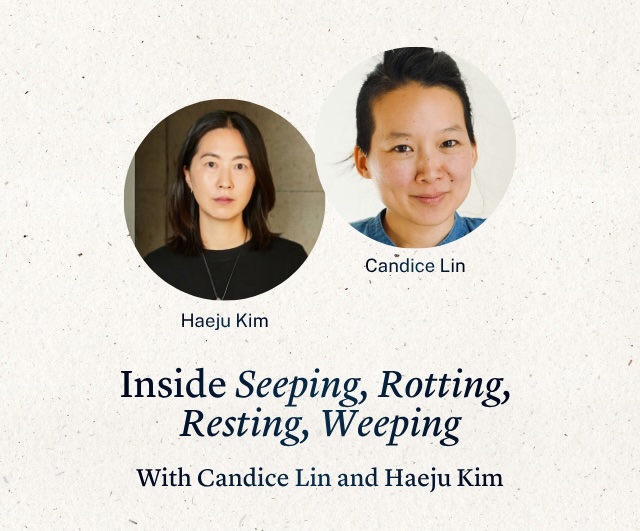 How We Remember is the final part of Lost & Found (2023–2026), a multi-chapter project at SAM that asks what an archive can be and what it can preserve in today’s world. Other chapters have investigated different ways of keeping memory alive through song (Sea Chanty Project, 2024), bodily movement (Embodied Archive, 2024) as well as research and conversation (Rings, 2026). Overall, the project has sought to understand how artists gather fragmented experiences and stories, and give form to things that may be lesser-known or unseen.
related events
check out the line-up of free and ticketed events below!
GUIDED TOUR
Join us on a guided tour and gain insights on artworks presented in Lost & Found: How We Remember.
Lost & Found How We Remember exhibition SAM
Artist & Curator Tour with SgSL
• Sat, 28 Nov 2026 | 3PM – 4.30PM | Register here
Join us on the opening weekend of Lost & Found: How We Remember for a special artist- and curator-led tour. Hear from the exhibition’s curators and artists as they share insights into their works, creative processes, and approaches to remembering and documenting personal and collective histories. Singapore Sign Language (SgSL) interpretation will be available throughout the tour.
DROP IN ACTIVITIES
Lost & Found: Learning Station
Level 1, SAM at Tanjong Pagar Distripark
Here, experiencing is a way of remembering. Revisit past chapters of Lost & Found through interactive activities at the Learning Station. Discover music videos commissioned for Sea Chanty Project, respond to reflections from visitors to Embodied Archive, explore creative exercises inspired by Assembly, and recreate an artwork from How We Remember using an artist stamp.
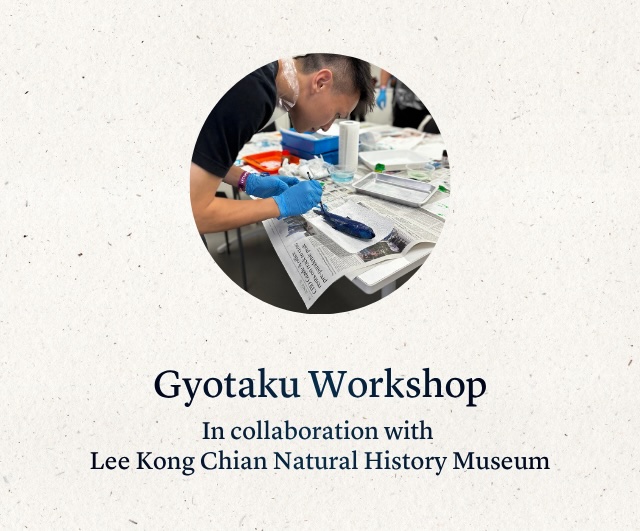 Exercises in Recounting by Pixie Tan
Level 1, SAM at Tanjong Pagar Distripark
Exercises in Recounting is a zine by artist Pixie Tan that revisits conversations from Lost & Found: Assembly, a two-day symposium held at SAM in April 2026. Drawing on reflections collected through her participatory installation An Expanded Edit, Tan presents four encounters responding to presentations from the symposium. Designed as a take-apart zine, its pages can be removed and explored individually, inviting readers to engage with and uncover these archived moments. The zine is available at the Learning Station accompanying Lost & Found: How We Remember.
Tactile Discovery Bag (with Audio Descriptions)
Level 1, Ticketing Counter, SAM at Tanjong Pagar Distripark
Pick up a tactile discovery bag and scan the QR code outside Gallery 1 to begin your journey of Lost and Found: How We Remember. All are welcome to enjoy this resource, priority will be given to visitors with visual impairment.

