
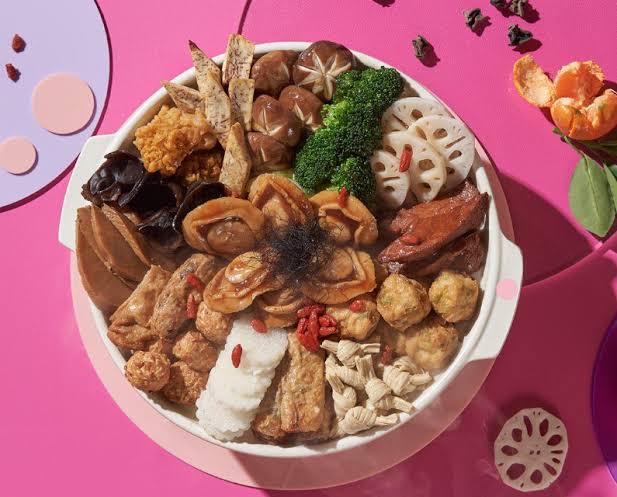
While Singapore is home to many commercial centres, Orchard Road remains its most famous shopping. district. Yet the boutiques, department stores, and international labels tell only a small part of its story. Between all that retail is one of the city-state’s best dining scenes. And unlike many other comparable areas, Orchard Road hits all the marks even for the pickiest halal-conscious diners.
 313@somerset, a shopping centre directly connected to Somerset MRT, might be one of the most convenient spots to begin your halal Orchard Road food adventures. Their halal dining directory highlights an impressive mix of certified halal restaurants and Muslim-friendly eateries, with choices ranging from ramen and Japanese rice bowls to grilled barbecue foods, noodles, and snacks. And if these aren’t your fancy, there are options just a short walk away.
If you find that intriguing, read on. Here’s how you can explore another, tastier, halal side of Orchard Road.
1) Make Food Part of the Destination
Tourists and locals alike usually head to Orchard Road for shopping. Even so, you’ll want to stop treating the food choices here as just rest stops like you might elsewhere. Take some time to search for interesting halal options and make them a part of your trip. It’s not the biggest change, but it does transform dining from an interruption into a more memorable part of the experience.
2) Confirm Halal Certification
If formal halal certification is important to you, you can check an establishment’s current status through the Islamic Religious Council of Singapore (MUIS). MUIS also provides up-to-date information on halal-certified eating establishments, making it straightforward to verify your options before ordering.
3) Read Past the Cuisine Label
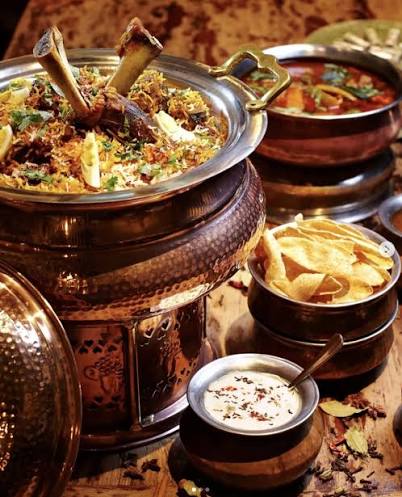 These days, general labels like “vegetarian,” “Japanese,” or “Western” tell you only so much about a meal. If you’re here for the food, you’ll want to look deeper at what the restaurant actually specialises in. At 313@somerset, for instance, the halal dining directory highlights ramen, Japanese rice bowls, and grilled barbecue foods. Broth-based noodles, rice dishes, and grilled meals can offer completely different experiences even when several choices fall within similarly familiar cuisine categories.
4) Compare Preparation Styles, Not Just Menus
Two eateries can appear broadly similar at first glance yet deliver very different meals because of how their dishes are prepared. Certain signature dishes like laksa, for example, vary widely from restaurant to restaurant.
If you’ve had a certain dish before, don’t hesitate to order it again if it’s from a place you haven’t tried before. Look for contrasts between preparation and cooking methods, as well as differences in texture and flavour. Paying attention to preparation gives you another way to appreciate variety without simply choosing a different cuisine every time.
5) Look Beyond Full-Service Restaurants
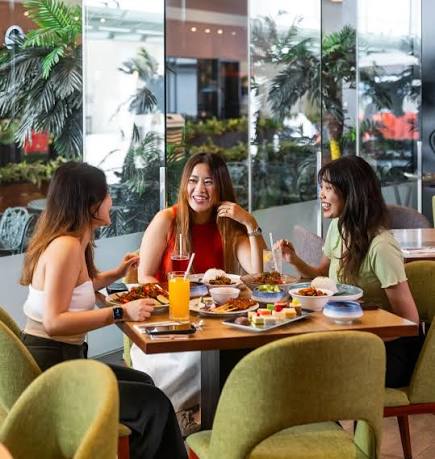 Not all the best spots have a sit-down setup. Several choice spots cater to busy locals with quick bites, takeaway food, snacks, and desserts. If you’re short on time or prefer to eat while walking, that range makes it possible to experience the area’s food scene without feeling unnecessarily rushed.
6) Match the Restaurant to the Occasion
Instead of deciding purely by cuisine, think about what the occasion actually requires. You might need something fast and uncomplicated, a substantial main after a long day, an easy takeaway meal, or somewhere comfortable enough for a longer conversation. Reading the mood of your group and thinking this way can narrow your choices more effectively than simply asking what type of food everyone wants.
7) Explore Different Price Points
In any major city, trendiest places might have long queues or may be priced out of your range. Thankfully, Singapore’s highly sophisticated and value-focused foodie culture means there are great eats at all price points.
The halal-friendly dining choices at throughout Orchard Road and elsewhere cover different preferences, with some offering unbeatable value. Quite often, it’s these everyday options that give you a broader sense of the local culture.
8) Give the Supporting Players Some Attention
Sauces, broths, condiments, sides, and drinks can be just as revealing as the main courses they enhance. Indeed, many local favourites are often defined by these supporting elements.
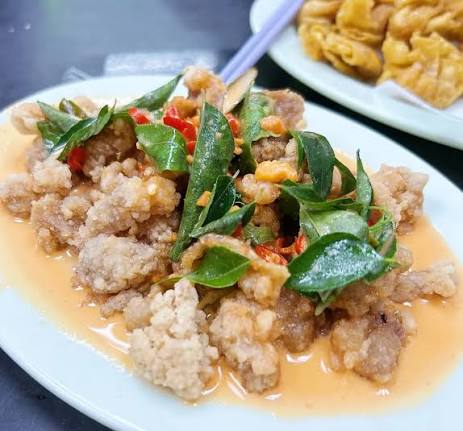 When trying somewhere new, look at what accompanies the headline dish and how it contributes to the whole experience. A distinctive secret broth, dip, garnish, or side can change the character of a meal and introduce something unexpected without requiring you to order purely for novelty’s sake.
Come for the Shops, Remember the Flavours
Orchard Road rightly earned its international reputation as a shopping destination, but it is truly much more than a place to buy the latest boutique items. Its halal and Muslim-friendly dining options offer another, less discussed reason to visit the district, whether you are settling in for a proper meal or just need to pick up something quick in between shopping and entertainment options.


