
Credit cards have become an essential travel companion for many people, offering a convenient and secure way to pay for flights, hotels, dining, and shopping abroad. Instead of carrying large amounts of cash, you can rely on your card for most transactions while also enjoying added perks such as fraud protection and rewards points.
That said, using your credit card for travel Philippines’ jetsetters use overseas comes with slightly more responsibility than using it at home. Transaction costs can vary, and fees that may not apply locally can appear once you’re dealing with foreign currencies. One of the most common is the foreign transaction fee, which is a small percentage added to purchases made in a different currency or processed outside your home country. These charges may seem minor at first, but they can accumulate quickly if you’re not paying attention.
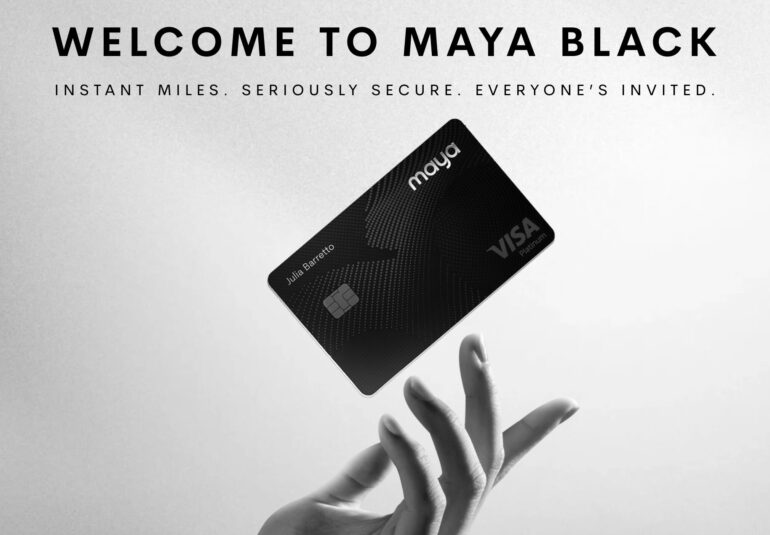
To help you stay on top of your foreign transaction costs while using a card like the Maya Black Credit Card, here are a few important things to keep in mind.
1) Knowing Your Card’s Foreign Transaction Fee Helps Avoid Surprises
 Not all credit cards charge the same fee for international purchases. Many cards have fees around 2% to 3% per transaction, while some travel-focused or premium cards may even waive foreign transaction fees entirely. It’s important to check your card’s terms before you leave so you know what extra costs to expect.
Even small fees can add up fast, especially on trips with multiple purchases such as dining, shopping, or transportation. By knowing your card’s rate in advance, you can plan your spending more carefully and avoid being caught off guard by unexpected charges on your statement.
2) Foreign Transactions Include Online Purchases from Abroad
A foreign transaction isn’t limited to purchases made while traveling. Buying from international websites or merchants outside your home country can also trigger foreign transaction fees. This includes online shopping, booking hotels, or even subscribing to services from another country.
Being aware of this helps you avoid surprises on your credit card bill. It also allows you to plan which card to use for international online purchases, helping you reduce fees and ensure the most cost-effective payment method.
3) Payments in Your Home Currency Can Cost More
When given the option to pay in your home currency instead of the local currency, it’s usually better to pay in the local currency. Dynamic currency conversion (DCC) often applies a poor exchange rate and may include hidden markups on top of your card’s foreign transaction fees.
Paying in the local currency helps keep your total cost lower and ensures you get a more accurate exchange rate. Even small differences can add up over a trip, especially if you’re making multiple purchases or larger transactions such as hotels or tours. This approach also reduces the risk of overpaying on everyday expenses and keeps your travel budget more predictable.
4) Exchange Rates Can Affect Your Total Spending
 Credit card networks set their own exchange rates, which may differ slightly from current market rates. This means that the amount you see when you calculate spending may not exactly match the final billed amount on your statement.
Being aware of this helps you plan your travel budget more accurately. By monitoring exchange rate trends and checking your transactions through your card’s companion app, you can anticipate how currency fluctuations may affect your purchases and avoid surprises when your statement arrives.
5) Your Transaction Date Determines the Exchange Rate
It’s important to remember that the exchange rate applied to your purchase is based on the date the transaction is processed, not the date it was made. Depending on how long it takes for the charge to post, the final amount can be slightly higher or lower than expected.
Understanding this is crucial for keeping your travel budget on track. Through monitoring your transactions and being aware of potential rate fluctuations, you can account for differences in charges and avoid unpleasant surprises when your statement is issued.
6) Spending Alerts and Limits on Your Card Keep Fees in Control
Most banking apps allow you to set up spending alerts or limits, which can be helpful for budgeting your international transactions. These tools notify you when you’re approaching a certain threshold or if unusual activity is detected on your account. Some apps even allow you to temporarily disable foreign transactions, which can be useful when you don’t plan to make any purchases at the moment, providing an added layer of security.
Using these features lets you monitor your spending in real time and quickly identify unauthorized or duplicate charges, making it easier to stay within your budget and avoid costly surprises. They also give you peace of mind, knowing that you have a safety net in place while traveling abroad.
7) Regularly Reviewing Your Transactions Prevents Costly Mistakes
 Checking your credit card activity through your app or online statements while traveling ensures that all charges are accurate. Frequent reviews help you identify errors, duplicates, or suspicious activity early. If you catch these issues quickly, you can resolve disputes faster and maintain control over your finances abroad. Staying proactive reduces stress and helps ensure that your trip remains enjoyable without financial surprises.
Stay in Control of Your Spending Abroad
When you’re traveling, the last thing you want is to worry about unexpected fees or charges. That’s why it’s essential to have a clear understanding of your card’s foreign transaction fees. Let the reminders above serve as your guide to staying in control and keeping your spending on track. If you can plan ahead and closely monitor your transactions, you can focus on enjoying your trip while keeping your finances worry-free.


