
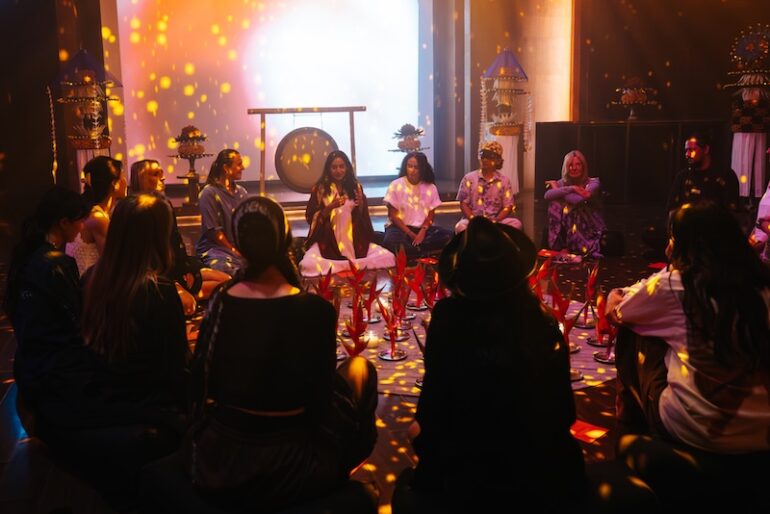
Following the success of its inaugural chapter in June, India: Beginning with Balance with Reema Datta, Bali‘s creative village, Desa Potato Head, is preparing for the second chapter of its landmark series, Merasa Origins: Java, taking place this September. Tracing the cultural roots of Balinese wellness practices across India, Java, and Bali, this three-part series brings together leading practitioners from each distinct tradition.
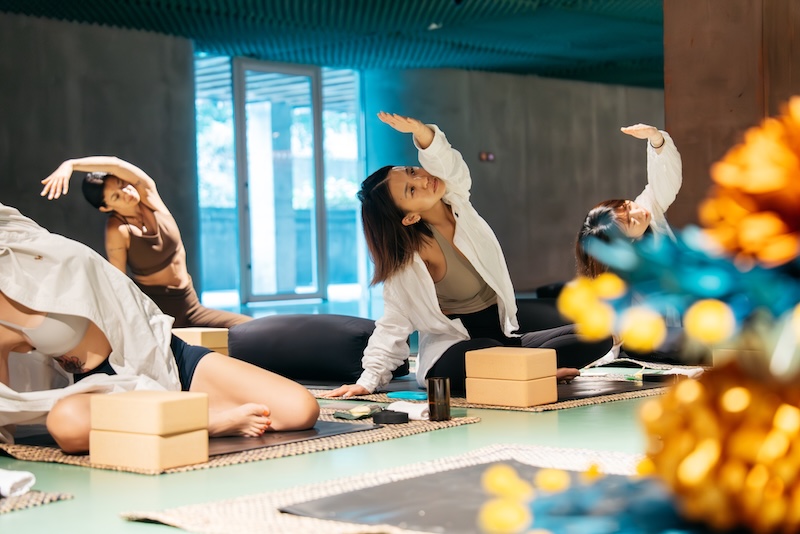 Unfolding across three four-day chapters throughout the year, the programme combines physical practice, philosophy, and ritual within a fully integrated setting, each exploring a different point along this historical lineage. Designed to be experienced as complete systems rather than isolated techniques, Merasa Origins offers a deeper understanding of how these ancestral traditions have been shaped by place, carried across generations, and continue to inform contemporary wellbeing today.
About Merasa Origins
At Desa Potato Head Bali, wellbeing is understood as something lived rather than prescribed. The Indonesian word merasa, meaning “to feel,” reflects this approach, pointing to an experience that is sensed first and understood over time.
Across the Desa, this takes form through a daily rhythm of movement, meditation, workshops and treatments. High-energy training sits alongside slower, more introspective practices, from sunrise meditation and breathwork to plant-based healing, traditional therapies and sound immersions. Guests move between these states naturally, engaging with wellbeing in ways that are both active and restorative.
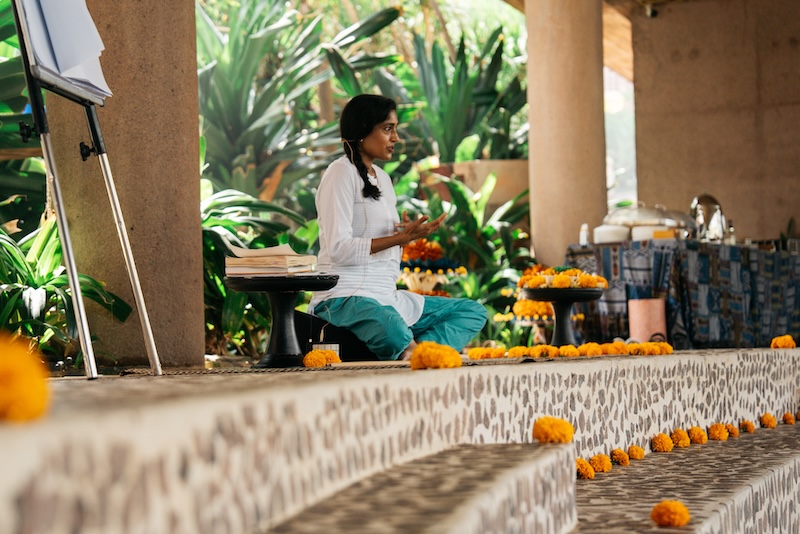 Merasa Origins builds on this foundation. Conceived as a series of immersive chapters, it explores the deeper cultural and philosophical roots behind these practices, tracing how they evolved and continue to shape contemporary wellbeing in Bali today.
Tracing the lineage
The journey begins in India, where Vedic knowledge laid the foundations for practices such as yoga and Ayurveda, alongside early ideas about the relationship between body, mind and cosmos. Over time, these philosophies travelled east to Java, where they merged with Buddhist teachings and local belief systems, forming a distinct spiritual language.
In the 14th century, this synthesis continued into Bali through the Majapahit empire, where it became embedded in everyday life. What is now recognised as Balinese wellbeing is the result of this layered history, shaped over centuries and still practiced today.
Merasa Origins follows this path as a lived experience, allowing participants to engage with each stage in context rather than in isolation.
The programme unfolds across three immersions in 2026, each rooted in a different point along this lineage: India in June, Java in September and Bali in November. Each takes place entirely within Desa Potato Head, where accommodation, practice and community exist within one continuous environment.
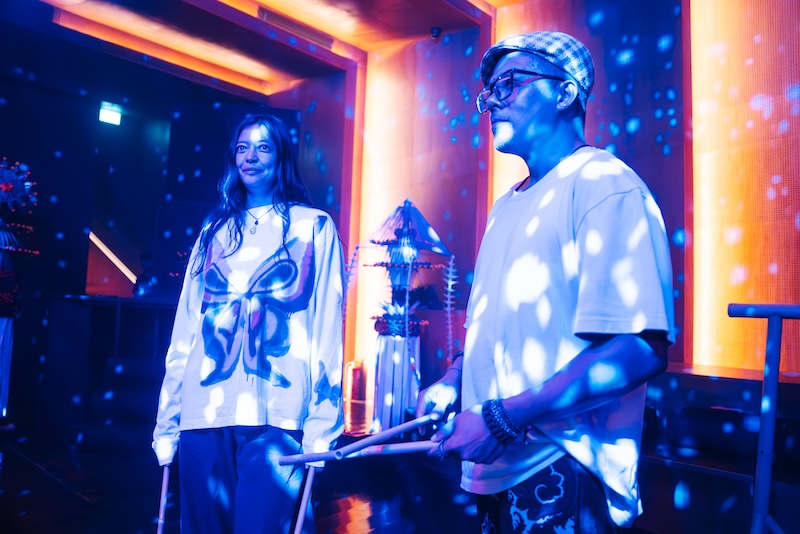 Across four days and three nights, each immersion follows a clear arc, moving from activation into reflection and, finally, integration.
September 2026: Java – Entering Depth
The second immersion, Java: Entering Depth (10th to 13th September 2026), centres on the introspective philosophy of the ancient Javadwipa lineage, inviting participants to observe not only the ritual itself, but the self within it. Guided by recognised Tantric priest Pak Sugeng and spiritual anthropologist Serj Hunt, this four-day chapter draws on Hindu Buddhist Tantra and Javanese Kebatinan alongside practices passed down through sacred lineage.
The experience opens with a welcome dinner, setting an intentional tone of presence, humility and attention to detail for the days ahead. From there, a steady rhythm emerges. Days begin with centering practices that combine Javanese dance and collective morning mantras, while subsequent sessions shift into guided workshops exploring Tattwa Tutur, the three forms of Broto and the deeper frameworks of Right Relationship.
Each practice approaches ritual not as performance, but as a mirror reflecting intention, devotion and inner clarity. Sacred reenactments focus on the physical and spiritual devotion of Yadnya and Upacara, while quieter sessions turn inward, working with ethics, understanding of truth and personal reflection. Afternoons allow space for rest and integration before participants return to more introspective workshops, knowledge sharing and guided inquiry.
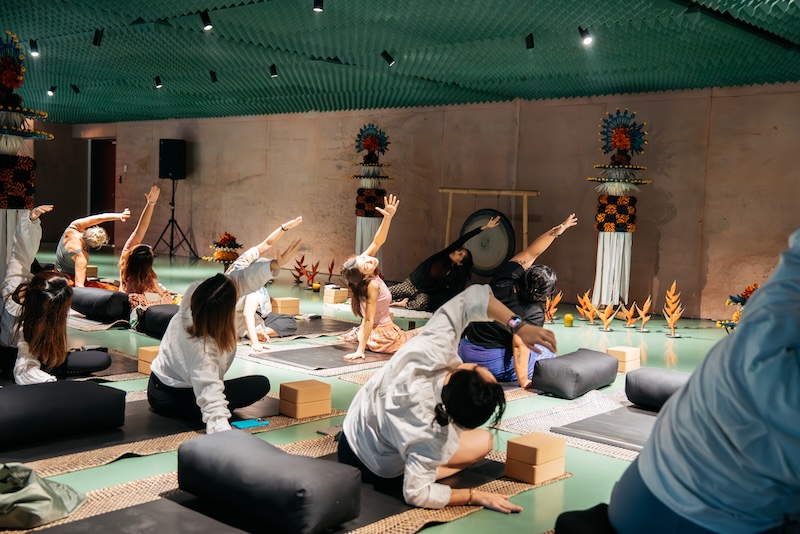 Shared meals and informal moments of connection run throughout, creating a sense of continuity between practice and daily life. As the immersion deepens, collective rituals come into play, including a Tolak Balak ceremony centred on protection and the clearing of negative forces.
The final day shifts into stillness, with quiet reflection followed by a closing lunch and ritual of blessing. Designed as a point of integration, it offers a way to carry forward what has been experienced, not as a fixed outcome, but as something that continues to unfold beyond the retreat.
The subsequent immersion in Bali (November 2026) will conclude this journey, completing the ancestral lineage and offering a final layer of understanding of how these wellness traditions continue to adapt, survive, and flourish today.


