
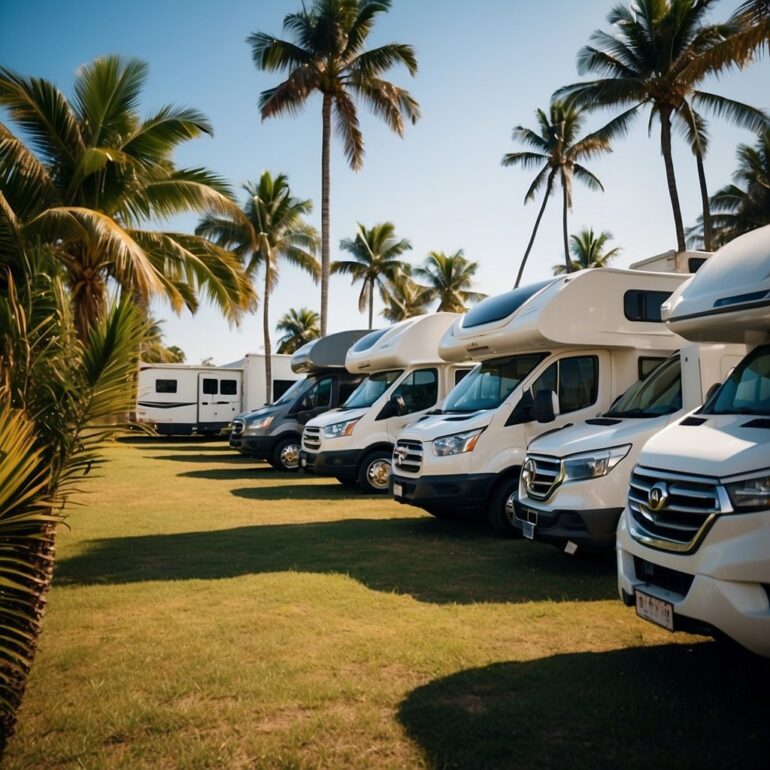
Asia’s Motorhome Tourism Boom Is Creating a New Procurement Standard
Motorhome and RV tourism across Asia has moved well past the experimental phase. Markets in China, Japan, South Korea, and Southeast Asia have all recorded sustained growth in self-drive and guided motorhome tours — and with that growth comes a sharper focus on operational reliability. Procurement teams are moving away from generic suppliers and toward brands with documented engineering pedigrees. Grundig Motion is one name appearing more frequently on approved vendor lists, backed by a legacy that goes back to 1945, when Max Grundig founded the brand in Germany and built it into one of Europe’s most trusted names in precision electronics.
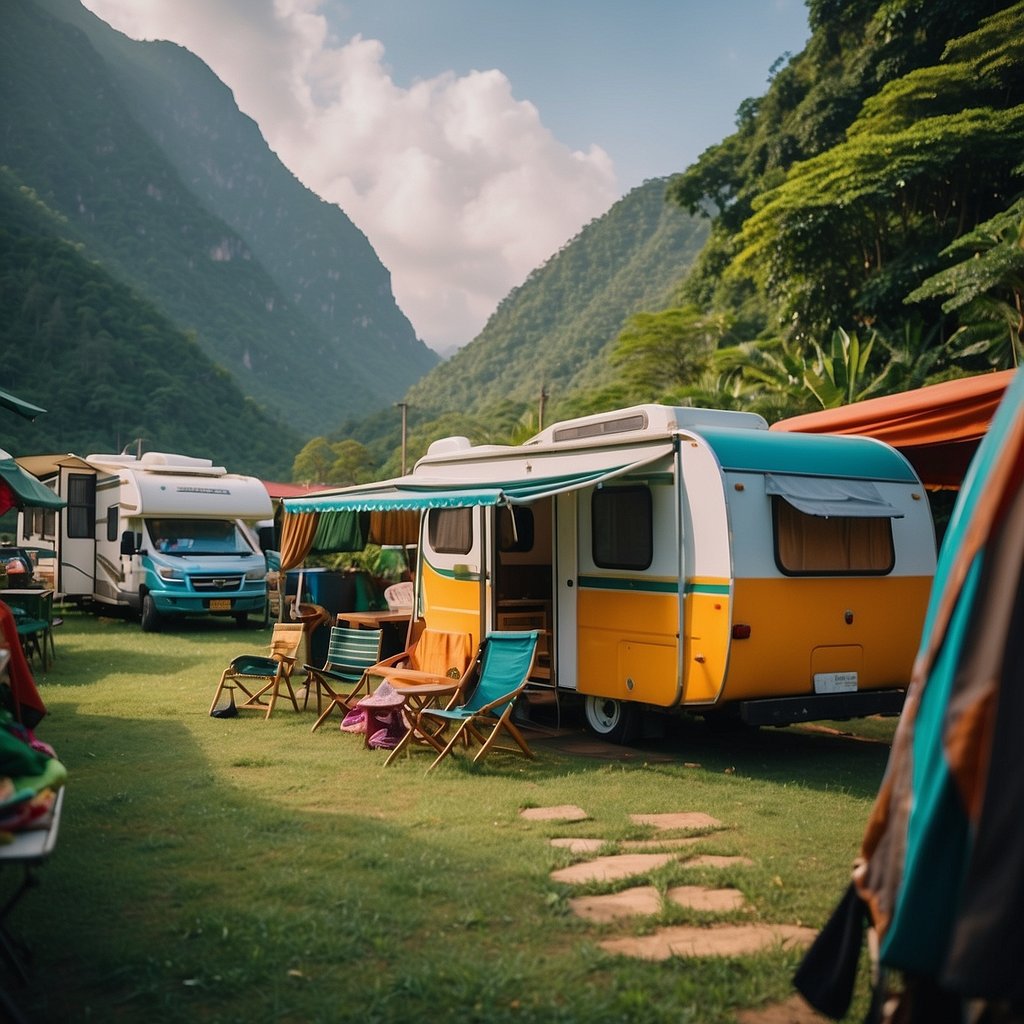 The automotive chapter of that story began in 1951, when Grundig officially entered the vehicle accessories market in response to the rise of car ownership across European roads. Over the following decades, the brand expanded from car audio into a full range of commercial-grade vehicle components — lighting systems, entertainment units, and precision mechanical accessories — with distribution networks extending from Europe to global markets. For operators sourcing hardware that needs to perform under continuous commercial conditions across Asia’s varied terrain, that depth of engineering history is a meaningful supplier qualification, not just a brand story. Grundig Motion carries that track record into every product category it serves today.
What that means practically for motorhome fleet operators is access to components tested against commercial-use standards rather than consumer-grade benchmarks. And in the Asian RV market, where road conditions range from smooth expressways to mountain switchbacks, the gap between those two standards shows up fast — especially when it comes to tires.
The Tire Problem That Is Costing Operators More Than They Realize
Tire failure is the most common roadside incident in motorhome operations across Asia, and under-inflation is the primary cause. RV tires carry heavier loads, run at higher pressures, and face greater surface variation than standard passenger vehicle tires — but they also have stiff sidewalls that make pressure loss invisible to the eye until the tire is already in the danger zone.
For a tour operator, a blowout event is never just a maintenance issue. It is a guest safety incident, an insurance claim, a vehicle off the road for one to three days, and in some jurisdictions a compliance breach. The financial exposure from a single preventable event regularly exceeds the cost of an entire season’s worth of monitoring hardware.
TPMS for Motorhomes: The Shift Every Fleet Operator Needs to Make
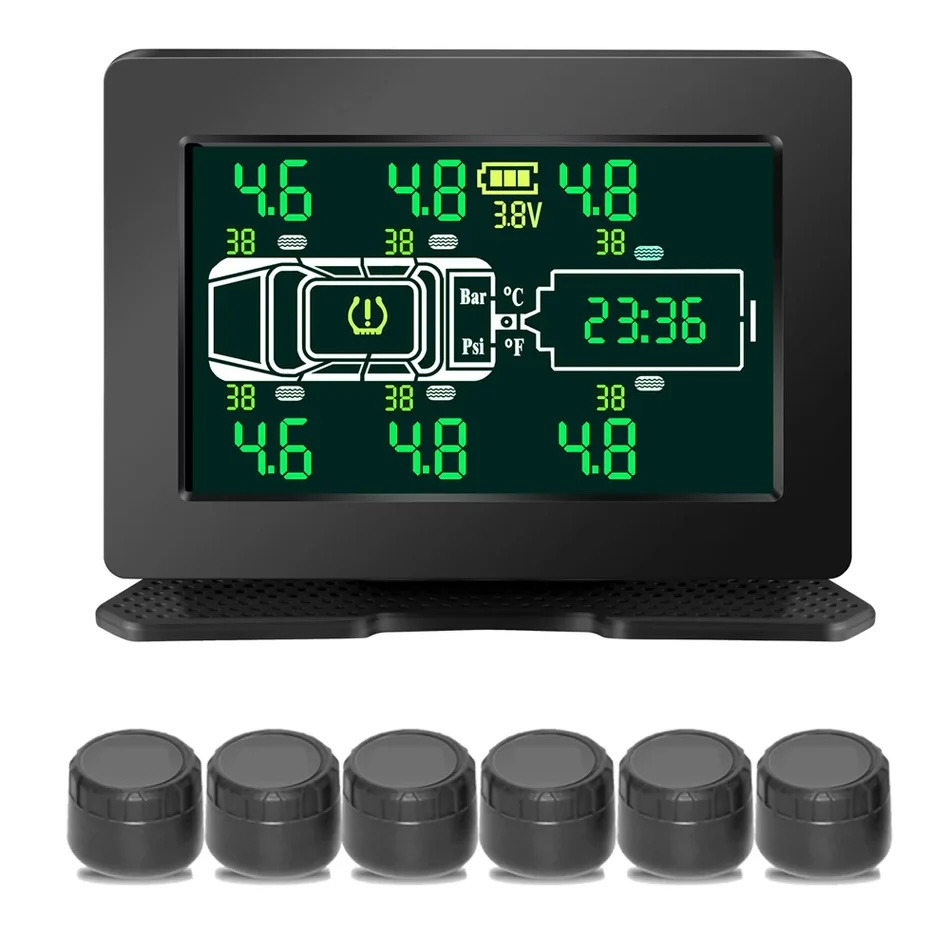
Tire Pressure Temperature Monitor
A professional-grade TPMS for motorhomes solves this problem at the source. The system delivers real-time pressure and temperature readings across every axle, sending alerts to the driver before any reading moves outside safe parameters — while the vehicle is still moving safely, not after the situation has already escalated into an incident.
Modern systems cover multiple axles wirelessly, display data on a color in-cab monitor with audible alerts, and require no specialist installation. For operators running higher-altitude routes where temperature swings cause pressure fluctuations, the dual pressure-and-temperature monitoring is especially valuable. The technology has matured to the point where there is no longer a meaningful argument for managing motorhome tire safety any other way.
The financial case is equally clear. Several commercial insurers now factor certified TPMS for motorhomes installation into premium calculations, delivering a direct cost offset from day one. Tires underinflated by just 1 PSI reduce fuel efficiency by approximately 0.1 percent — a figure that compounds quickly across a fleet covering high annual mileage. For most RV rental operations, the hardware pays for itself within a single operating season.
Building the Standard Across Your Fleet
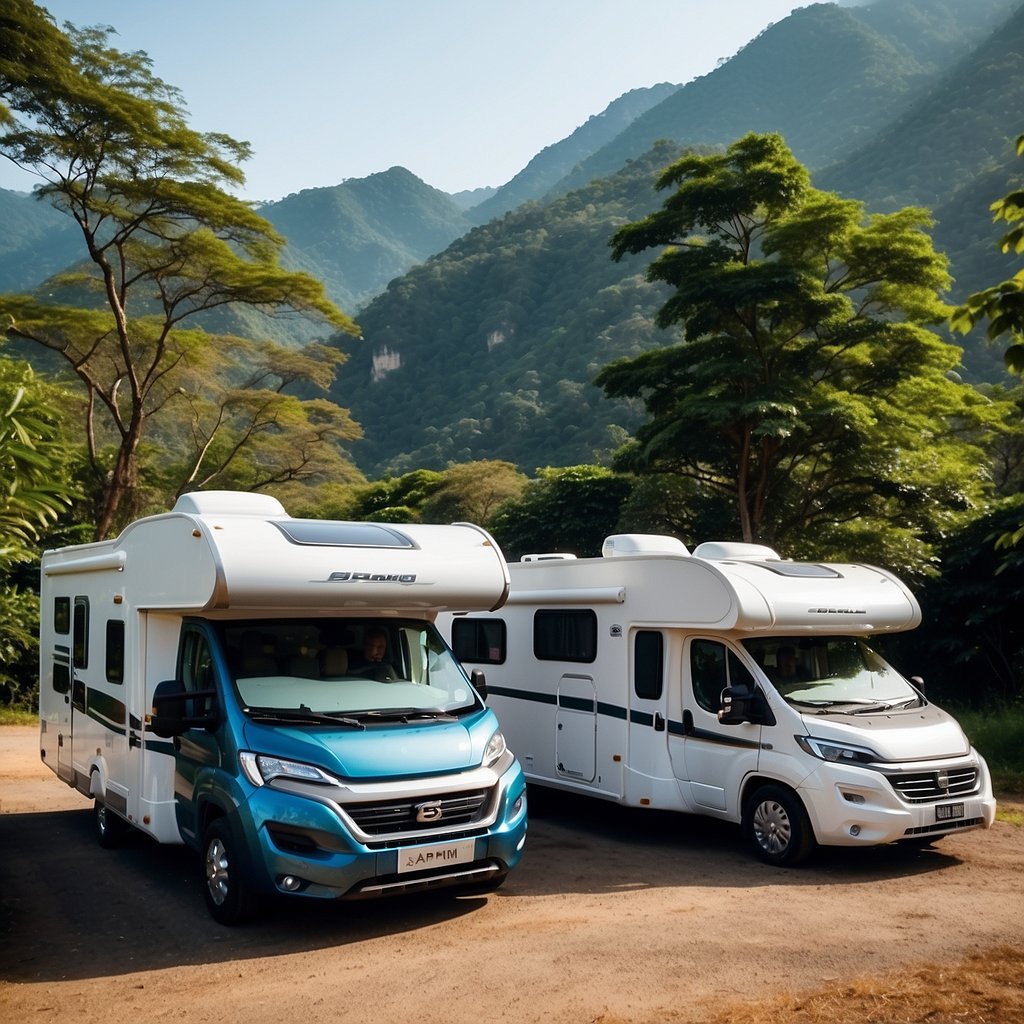
TPMS for motorhomes
Sourcing the right hardware is one step. Embedding it consistently across the fleet is where most operators fall short. Evaluate any supplier on three criteria: durability specifications designed for continuous commercial use, compatibility with existing telematics or fleet management platforms, and post-purchase support — including local service availability, documented warranty terms, and replacement part access.
Request technical data sheets before committing to any product. Confirm the documentation satisfies your insurance provider and, where applicable, your local transport authority. These requirements are not administrative formalities — they are the paper trail that protects the business when an incident occurs and an investigator asks what precautions were in place.
Safety Infrastructure Is the Competitive Edge Nobody Talks About
Asia’s motorhome tourism market is still forming, which means operator reputations are still being built. The businesses that establish a track record for safe, reliable tours now will carry that advantage forward as traveler expectations rise and the market matures.
Guests do not book a motorhome tour because of what is fitted to the axles. But they form lasting opinions based on whether the trip ran without incident — and they share those opinions at scale. Every season without a major tire event is a season of reviews, repeat bookings, and referrals that a competitor running unmonitored equipment is not collecting. The decision of what goes on the vehicle before it leaves the yard is ultimately a decision about what kind of business you are building.


