

The Silk Road is not just an ancient trade route—it’s a tapestry of history, legend, and timeless landscapes. Nearly eight centuries after Marco Polo’s adventures, the allure of this fabled path remains irresistible. Stretching across deserts, mountains, and vibrant cities, the Silk Road is both a journey into the past and an invitation to explore cultures that continue to thrive today.
Hamadan, Iran – The Capital of Carpets

Hamadan Province, Iran
Known in antiquity as Ecbatana, Hamadan is one of Iran’s oldest cities and an essential stop along the Persian branch of the Silk Road. Often celebrated as the global capital of carpets, Hamadan blends craftsmanship with history. The bustling bazaars still showcase intricate Persian rugs that tell stories woven in silk and wool. Yet Hamadan is more than commerce—it is also the final resting place of Avicenna, the great medieval philosopher and physician whose work bridged the gap between Aristotle and modern science.
Samarkand, Uzbekistan – Jewel of Central Asia
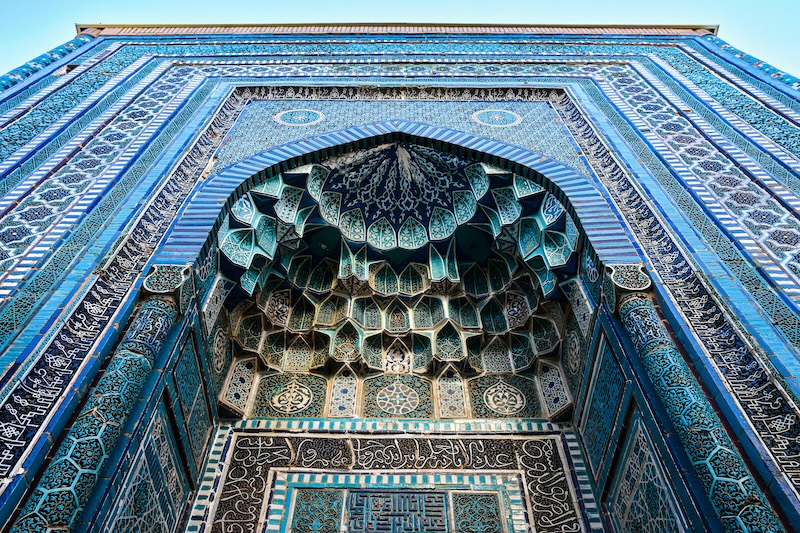
Samarkand, Uzbekistan
Few cities capture the imagination like Samarkand. Marco Polo described it as a “noble city,” and UNESCO’s recognition proves its cultural weight. Walking through its Registan Square, framed by dazzling madrassas covered in turquoise mosaics, feels like stepping into a living museum. Beyond its beauty, Samarkand was a meeting point of religions, ideas, and merchants. Unlike the haunting ballads that speak of destiny here, modern travelers can wander freely and soak in its magic.
Almaty, Kazakhstan – The Land of Apples
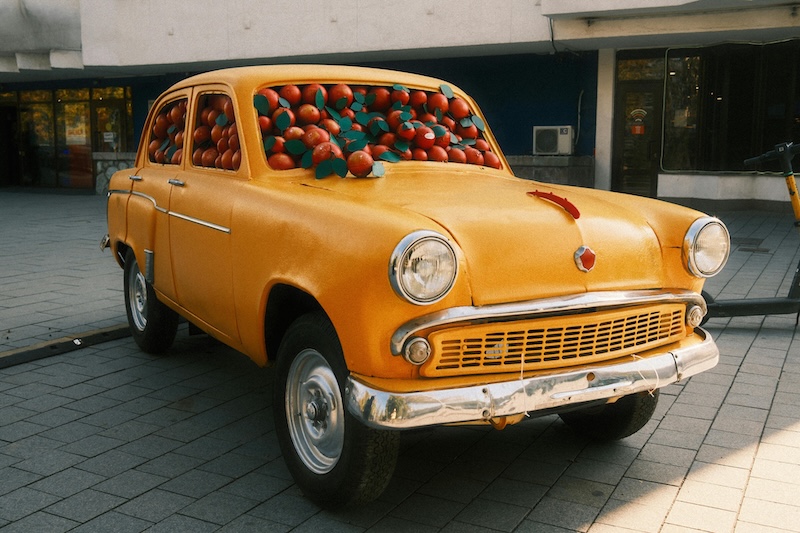
Almaty, Kazakhstan, Silk Road travel
East of Samarkand, the journey continues to Almaty, whose name translates as “the place of apples.” Once a Soviet republic city, Almaty still carries strong Russian influences, evident in the colorful Ascension Cathedral. Travelers will find an intriguing mix of Central Asian traditions and Slavic charm. For Silk Road merchants, this fertile valley was a welcome stop after endless days in the steppe—today, visitors can sample the region’s famed apples, believed to be the ancestors of those we eat worldwide.
Taklamakan Desert, China – The Sea of Death
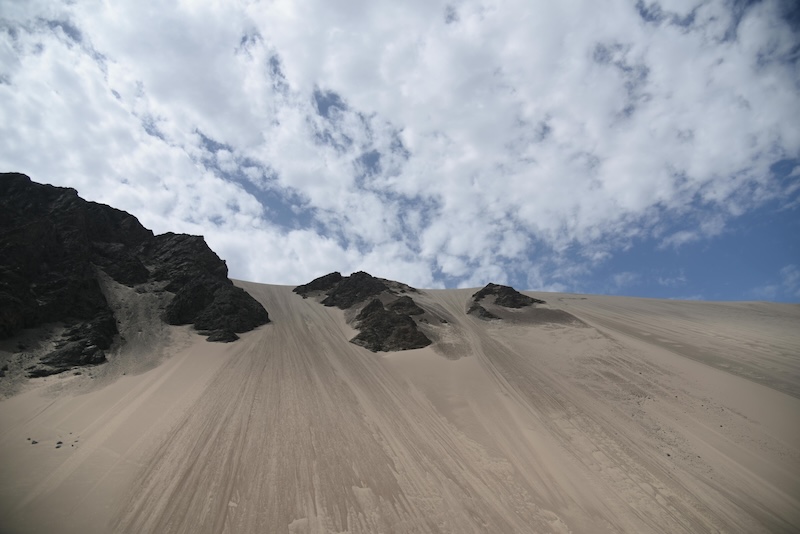
Dune on Taklamakan Desert in China
If there was ever a true test along the Silk Road, it was the Taklamakan Desert. Known in Uyghur as the “place of no return,” this vast desert in Xinjiang remains one of the harshest environments on Earth. Ancient caravans often skirted its edges, choosing the relative safety of oasis towns like Kashgar or Hotan. For modern travelers, it’s a place of awe rather than dread, a golden sea of sand whispering stories of lost caravans and buried secrets.
Mogao Caves, Gansu Province, China
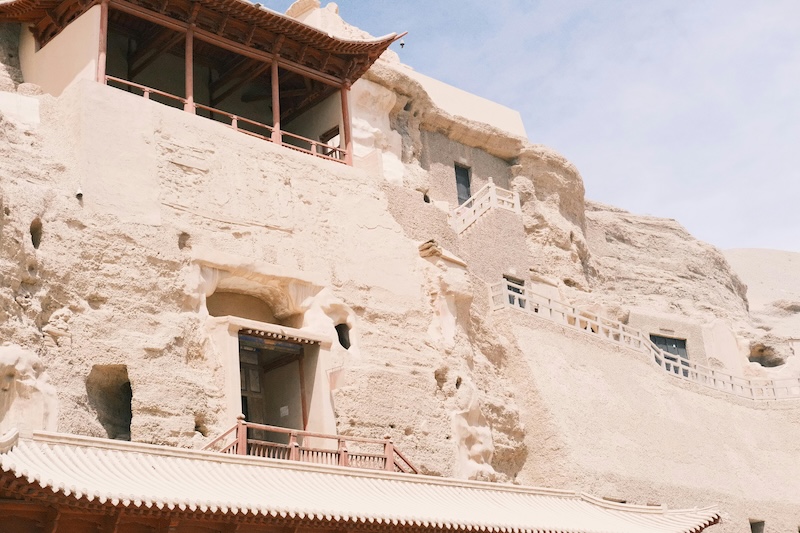
Mogao Caves, Dunhuang, China
Beyond the desert lies one of the Silk Road’s greatest cultural treasures: the Mogao Caves near Dunhuang. Carved into cliffs beginning in the 4th century AD, these 492 grottoes house breathtaking murals and Buddhist statues. While some artifacts were removed to Western museums, the caves remain a powerful testament to cross-cultural exchange. Standing here, travelers can sense the spiritual devotion that drove artists and monks to preserve faith through color and stone.
The Yellow River – Lifeline of China
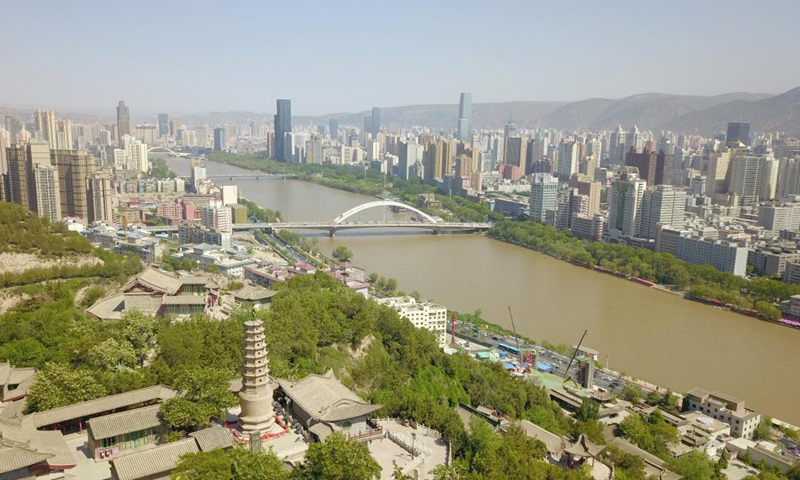
The Yellow River crossing Lanzhou
The Yellow River, often called the “Mother River of China,” was both an obstacle and a lifeline for Silk Road traders. Its fertile loess-rich soil gave rise to agriculture and the flourishing of Han culture. Crossing it near Lanzhou, merchants once encountered a vibrant city of markets and temples. Today, Lanzhou is a modern metropolis, but the river still flows as the heartbeat of Chinese civilization.
Xi’an – The Eternal Capital
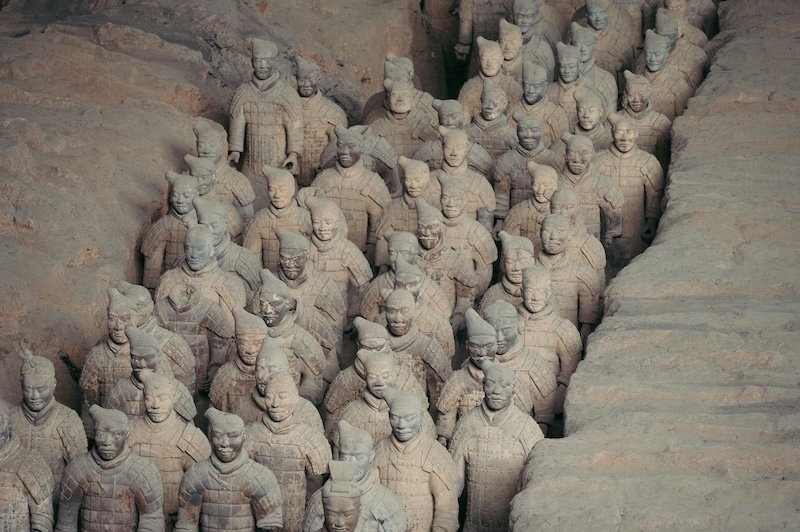
Xi’an, China, Terracotta Warriors
No Silk Road journey is complete without Xi’an, the ancient capital of 11 dynasties and the official starting point of the route. Xi’an is home to the Terracotta Army, one of the most astonishing archaeological finds of the 20th century. Yet the city’s magic goes beyond its underground warriors. Its Great Mosque blends Islamic and Chinese architecture, a living reminder of how cultures intertwined along the Silk Road.
Khanbaliq and Marco Polo’s Meeting with Kublai Khan
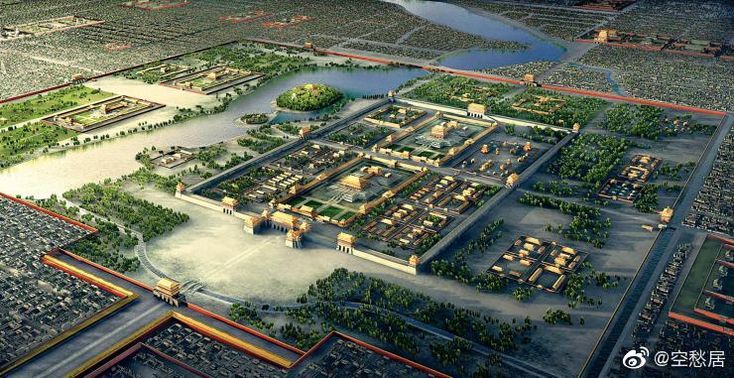
Khanbaliq
The journey culminates in Khanbaliq, the city where Marco Polo met the legendary Kublai Khan. Known today as Beijing, it embodies centuries of transformation yet remains central to China’s identity. Reading Calvino’s Invisible Cities gives poetic meaning to Polo’s travels, but walking Beijing’s bustling streets reminds us that the Silk Road’s legacy continues—alive in every exchange, every flavor, and every story.
Travel Tip
Exploring the Silk Road today means balancing legendary sites with modern realities. Some routes can be navigated by train, while others demand patience through border crossings. A good starting point is UNESCO’s Silk Roads Programme, which highlights key cultural sites and offers resources for planning your journey.
The Silk Road was never just about trade—it was about human connection. And as you follow its path, you’ll discover that this ancient network still invites us to cross boundaries, share stories, and find meaning between myth and reality.


