

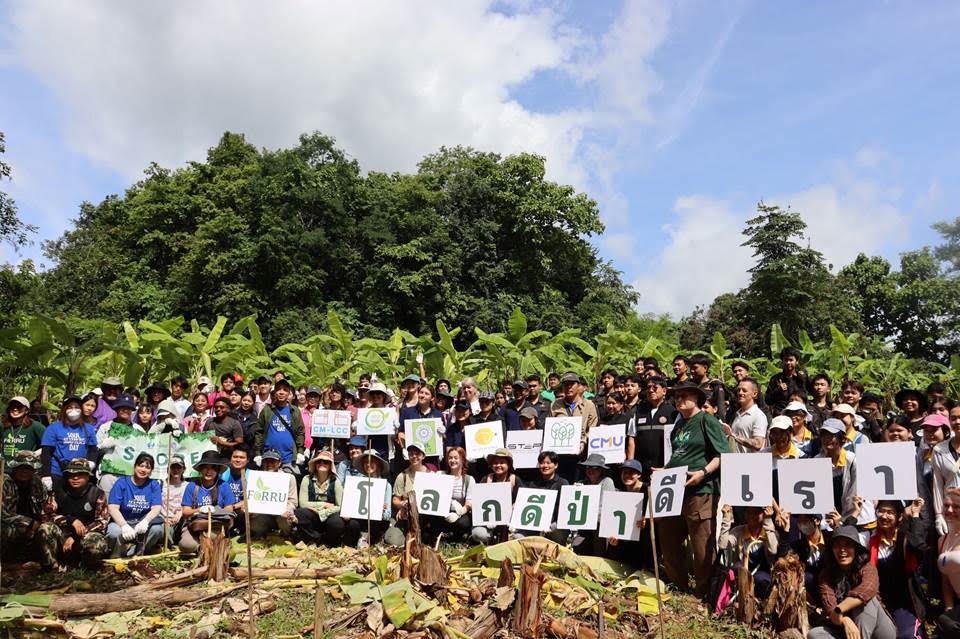
Almost 180 hotel team members joined the Doi Suthep Nature Center on June 26, 2026, to plant the latest 800 native trees across two rai in Mae Taeng and Mae Rimjpg
Meliá Chiang Mai‘s staff have helped regenerate more than seven acres of seasonally dry tropical forest in northern Thailand by planting 6,650 native trees through the hotel’s ongoing Meliá Go Green initiative, supporting biodiversity and forest restoration in one of the country’s most ecologically significant regions.
Almost 180 hotel team members joined the Doi Suthep Nature Center on June 26, 2026, to plant the latest 800 native trees across two rai in Mae Taeng and Mae Rim in Chiang Mai’s Doi Suthep-Pui National Park.
The 13th Meliá Go Green activity brought together volunteers to plant carefully selected native species that will help restore the area’s natural forest ecosystem, including Quercus semiserrata, Castanopsis diversifolia, Ficus capillipes and Antidesma bunius, among others.
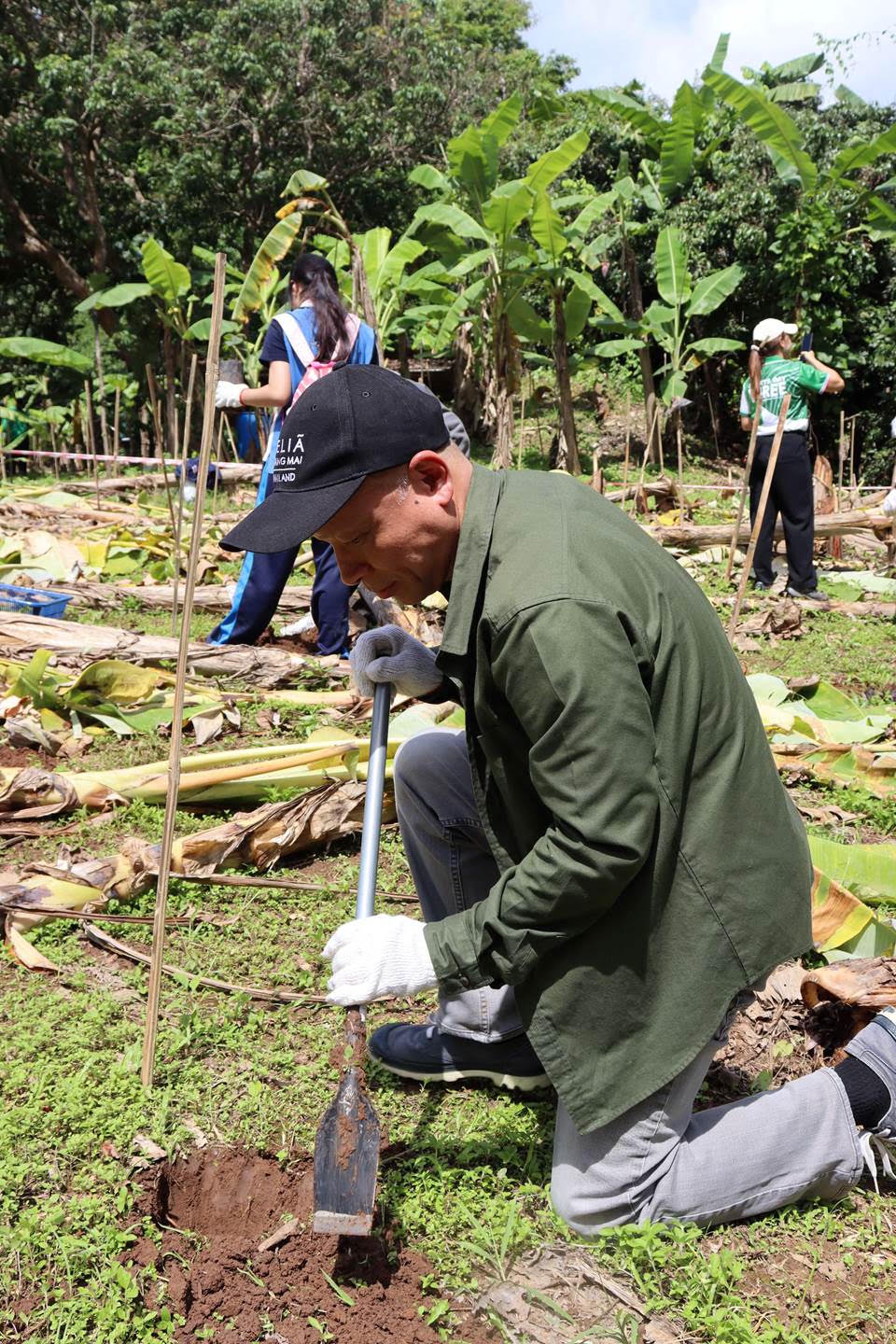
Meliá Chiang Mai’s staff have helped regenerate more than seven acres of seasonally dry tropical forest in northern Thailand
Working in partnership with the Doi Suthep Nature Center, Meliá Chiang Mai has supported forest restoration efforts since 2022, helping regenerate degraded areas with native tree species that strengthen biodiversity, improve watershed health and create habitat for wildlife. The forests associated with Doi Suthep-Pui National Park are among northern Thailand’s richest natural ecosystems, home to more than 300 bird species and nearly 2,000 species of ferns and flowering plants.
“Meliá Go Green has become so much more than a regular volunteer activity,” said Meliá Chiang Mai General Manager Marc Selinger. “Our team is making a tangible contribution to restoring northern Thailand’s forests with the Doi Suthep Nature Center to help protect biodiversity and leave a positive environmental legacy for future generations.”
The tree-planting initiative forms part of Meliá Chiang Mai’s wider commitment to responsible tourism and community engagement. Throughout the hotel, sustainability initiatives are designed to reduce environmental impact and support local people and culture.
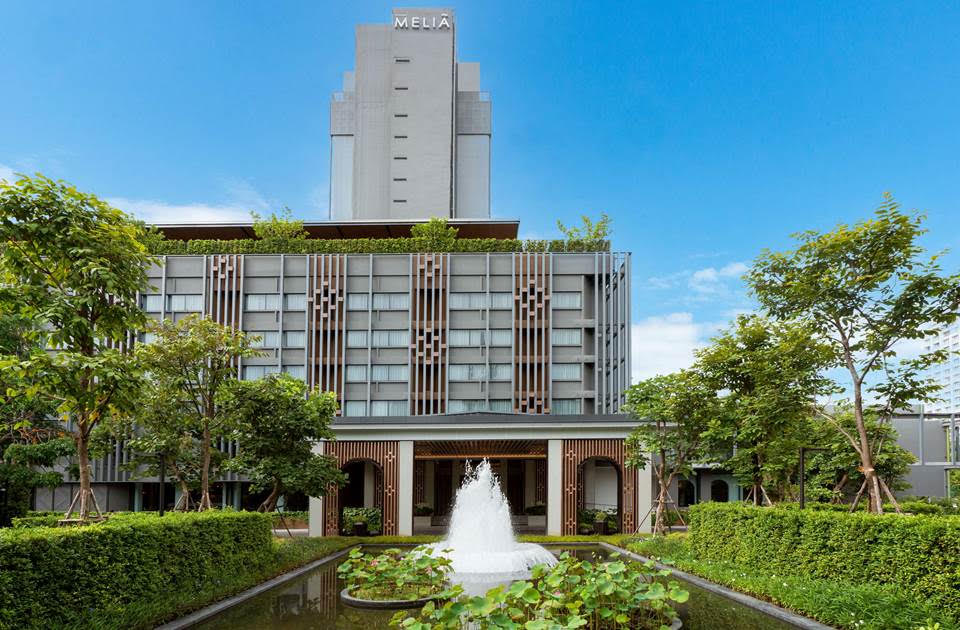
The tree-planting initiative forms part of Meliá Chiang Mai’s wider commitment to responsible tourism and community engagement
The hotel’s 360-degree cuisine programme champions locally-sourced chemical-free, seasonal ingredients, and minimising food waste. The hotel works closely with farmers, universities and their students, and communities to encourage sustainability measures that make the food system more resilient.
The GALLERY social enterprise in the hotel lobby showcases handcrafted products created by local artisans and community enterprises. The enterprise helps preserve traditional skills and generate sustainable incomes in communities in need.
Together with Meliá Go Green, these initiatives encapsulate the sustainability vision of the hotel’s owner, Asset World Corporation (AWC), to create lasting environmental and social value.
To contact Meliá Chiang Mai or to make a booking, email reservation.chiangmai@melia.com, call +66 52 090 699 or visit https://www.melia.com/en/hotels/thailand/chiang-mai/melia-chiang-mai/index.htm


