

Stepping out of the MRT station into Little India is not merely a change of scenery; it is a full-body immersion into a world that feels delightfully at odds with the sleek, glass-and-steel modernity of the rest of Singapore. The transition is instantaneous. The first thing that hits you is the air—a dense, intoxicating medley of cumin, coriander, jasmine, and the distinct, sweet scent of frying dough.
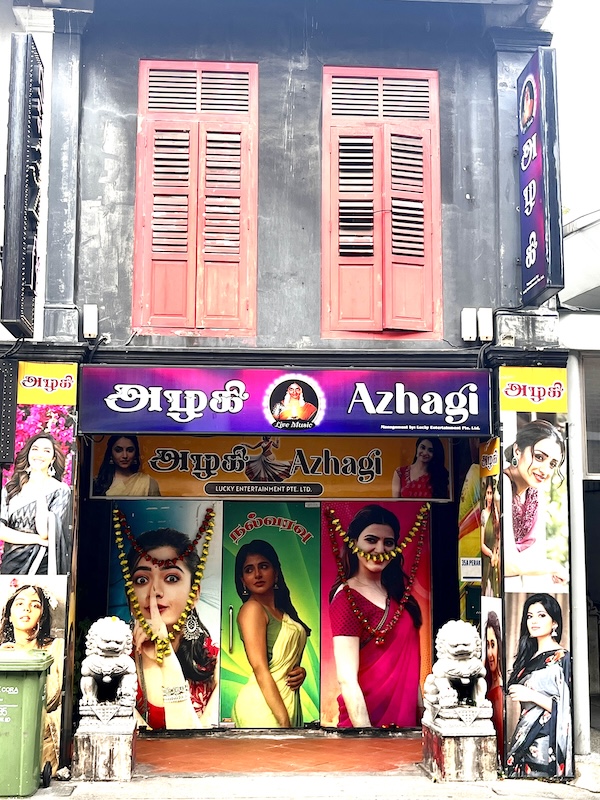
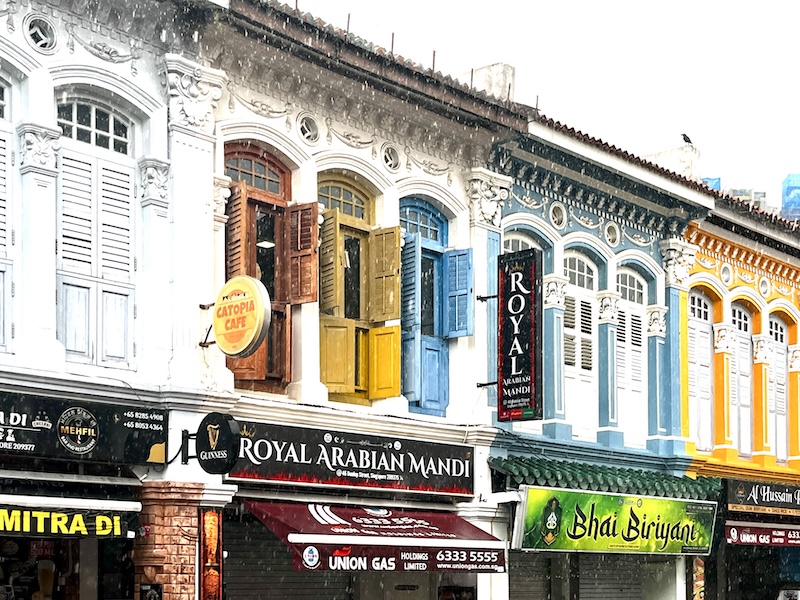 Then comes the visual explosion. Shophouses painted in sunshine yellows, electric blues, and passionate pinks stand shoulder to shoulder, their facades adorned with intricate plasterwork. Tamil film music drifts from electronics shops, competing with the rhythmic chants from nearby temples and the honking of traffic. Flower garlands spill from open storefronts onto the pavement in cascades of marigold orange and rose red.
This is not a manufactured cultural exhibit designed for tourists. It is the real, beating heart of a diaspora, a living, breathing neighborhood where history, faith, and daily life are woven together into a vibrant tapestry. Spending a half-day here—or even better, a full day—is spending time in one of Southeast Asia’s most culturally rich urban enclaves, a place where every corner offers a new discovery.
The Heritage Spine: Walking Serangoon Road
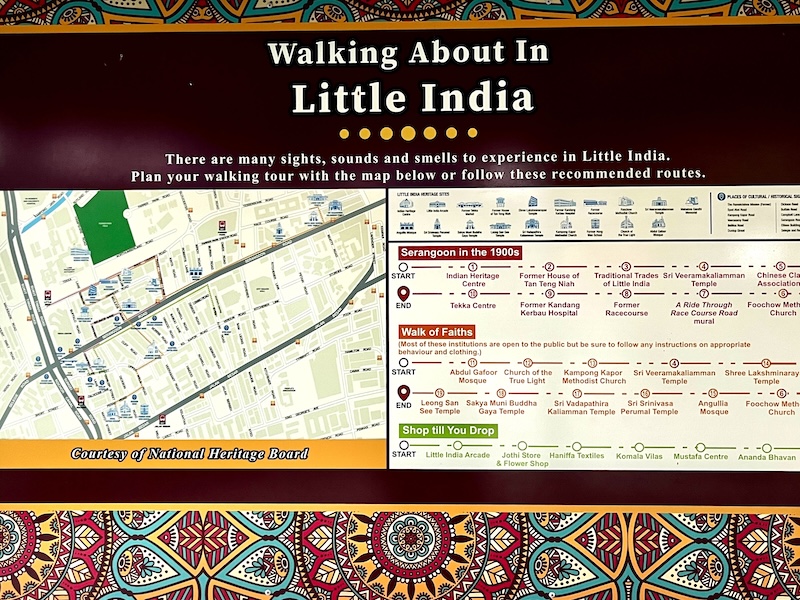
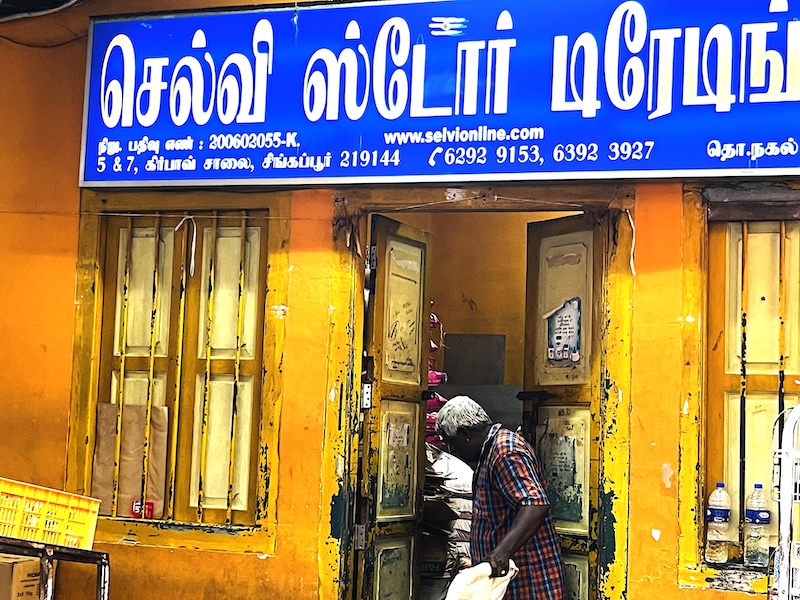 Serangoon Road is the main artery of Little India, but it is best experienced not as a destination to be checked off a list, but as a slow, meandering walk. The road and its network of side lanes—Kerbau Road, Dunlop Street, Buffalo Road, Campbell Lane—contain almost everything Little India has to offer: temples, mosques, flower garland sellers, spice merchants, textile shops, and restaurants wafting the irresistible aromas of curry and freshly baked naan.
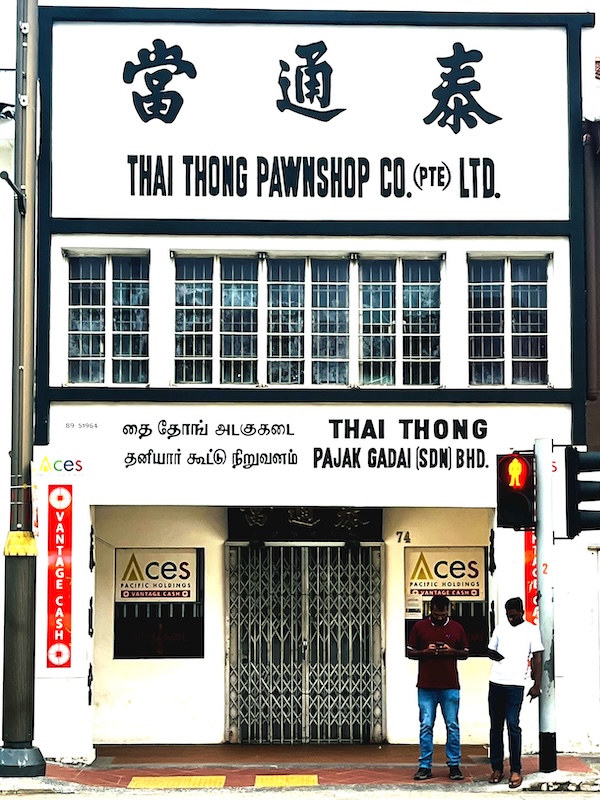 As you walk down Serangoon Road, the architecture itself tells a story. The shophouses, many of which date back to the 19th and early 20th centuries, are a testament to the area’s rich history. With their wooden louvered windows, colorful facades, and intricate details, these buildings are a photographer’s dream. Some are painted in bold, contrasting colors, like the vibrant pink building with its dark wooden shutters, while others retain a more subdued, weathered charm, their peeling paint and faded signs whispering stories of decades gone by. The juxtaposition of these traditional structures against the backdrop of modern high-rise apartments and construction cranes in the distance is a visual reminder of Singapore’s constant evolution, where the old and the new coexist in a delicate, sometimes chaotic, harmony.
Sri Veeramakaliamman Temple: A Spiritual Centerpiece
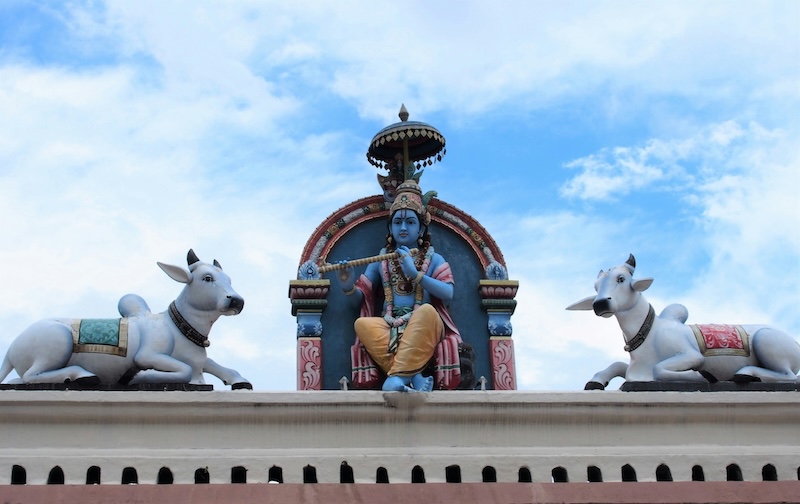
 The most visually spectacular stop on your walk is undoubtedly Sri Veeramakaliamman Temple, one of Singapore’s oldest Hindu places of worship. Built in 1881 by Bengali labourers, its six-storey gopuram (entrance tower) is a breathtaking sight, encrusted with hundreds of vibrantly painted Hindu deities, each telling a story from ancient mythology. The temple is dedicated to the fierce goddess Kali, the destroyer of evil, and the energy here is palpable. The temple is busiest on Sundays when thousands of worshippers come to pray, their colorful saris and the scent of incense filling the air. Even for those who are not Hindu, the temple offers a profound sense of peace and a glimpse into the spiritual heart of the community. Respectful visitors are welcome outside active prayer times, provided they dress modestly and remove their shoes before entering.
 Just a short walk from the temple, you will find the Tan Teng Niah House, a historic villa built in 1900 that catches the eye with a riot of color—eight different shades across its walls and shutters. It is the last surviving Chinese villa in Little India, a quiet testament to the multicultural layers that have defined this neighborhood for generations. The house, with its intricate woodwork and vibrant paint job, stands as a beautiful reminder that Little India is not just an Indian enclave, but a melting pot of different cultures that have lived side by side for centuries.
The Indian Heritage Centre: A Journey Through Time
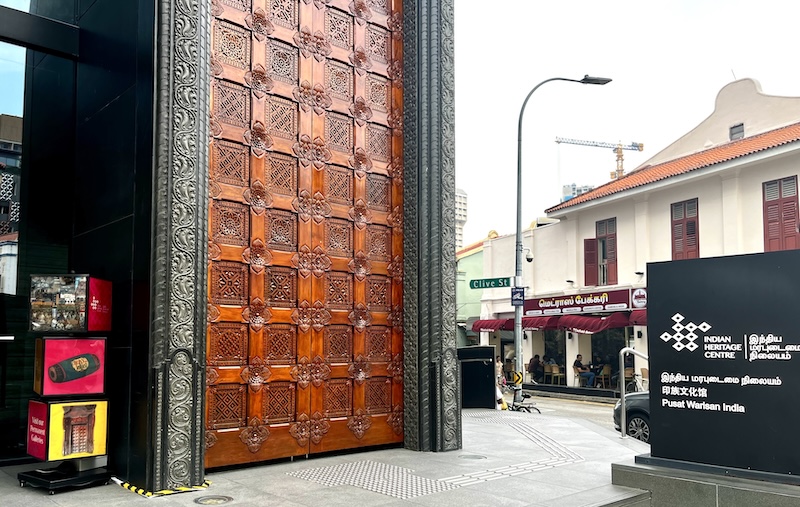 No visit to Little India is complete without stepping into the Indian Heritage Centre, a four-storey building whose facade draws inspiration from the traditional Indian baoli—the stepwell. The design is a unique trellis of steps and balconies that line the exterior, creating a stunning visual that reflects Singapore’s skies by day and lights up into a vibrant mural of Little India by night.
Opened in 2015, the centre is the first museum in Southeast Asia dedicated to the diversity of Indian culture. Its five permanent galleries house over 400 artefacts—treasured heirlooms, jewels, diaries, and family photographs—that together illustrate the story of the Indian community in Singapore. 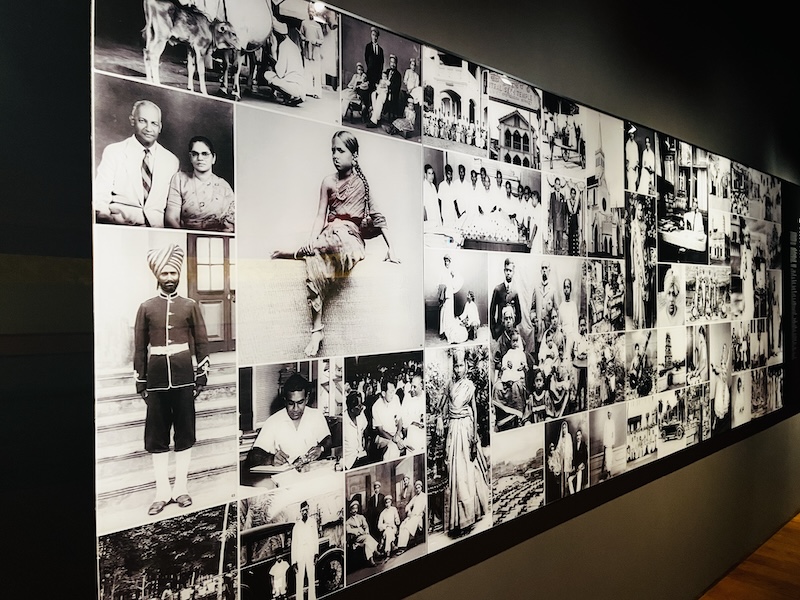 The journey begins in the 1st century, tracing early interactions between South and Southeast Asia, before unfolding into the stories of Indian Singaporeans and their immense contributions to the island’s development.
What makes the Indian Heritage Centre truly special is how it was built: powered by the community’s voices and recollections. It is not just a collection of objects behind glass; it is a living archive of memories. Virtual guides and interactive gameplay elevate the experience, but it is the personal stories that linger long after you leave. The centre also hosts a dynamic calendar of performances, workshops, and festive celebrations throughout the year, ensuring that the culture it preserves is not just remembered, but actively celebrated.
The Indian Muslim Heritage Centre: A Different Thread
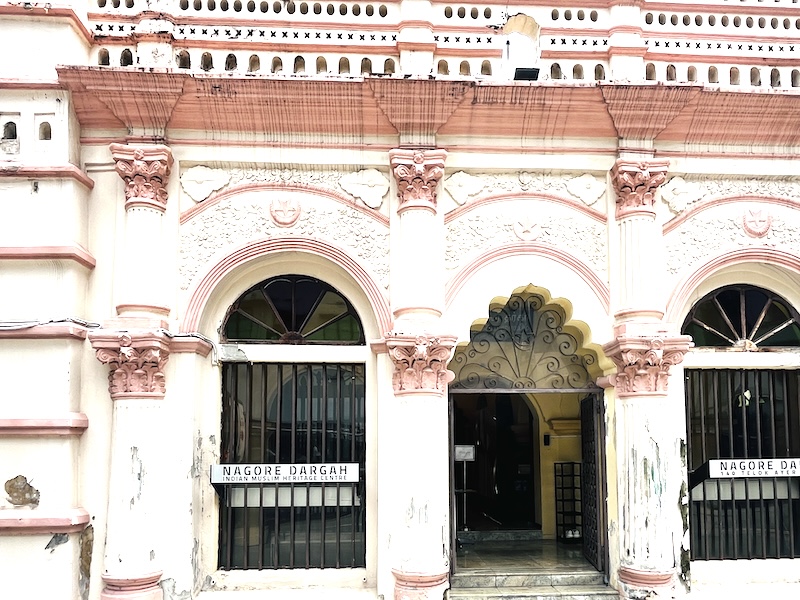 A short journey away—in the historic Chinatown area on Telok Ayer Street—sits another essential piece of the story: the Nagore Dargah Indian Muslim Heritage Centre. While Little India is often associated with Hindu culture, it is crucial to understand the diverse fabric of the Indian community, which includes a significant Muslim population.
The building itself dates back to 1828, when early Tamil Muslim traders from the Chulia community built a shrine to honour Saint Shahul Hamid of Nagore, following their safe voyage from India to Singapore. 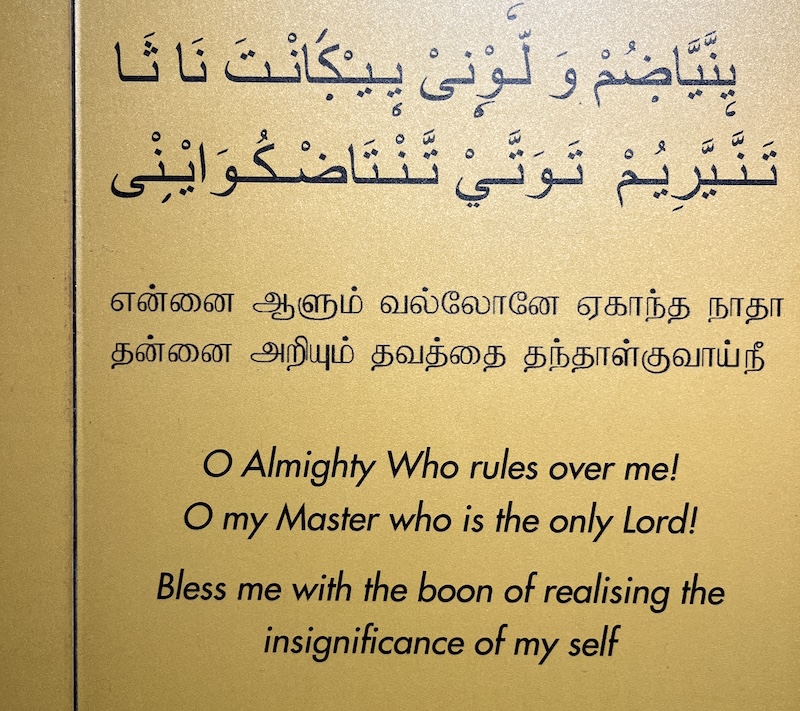 Its architecture is a striking blend of Indo-Islamic and European neoclassical elements, with fluted Corinthian pillars, ornate arches, and minarets topped with onion domes. The shrine was designated a national monument in 1974, and after a revitalisation project, it reopened in 2011 as a heritage centre—no longer a place of worship, but a space for exhibitions and guided tours that highlight the history and contributions of the Indian Muslim community in Singapore. It plays a key role in promoting intercultural understanding, showcasing a heritage that bridges South India and the Malay Archipelago.
The Sensory Overload: Markets, Flowers, and Food
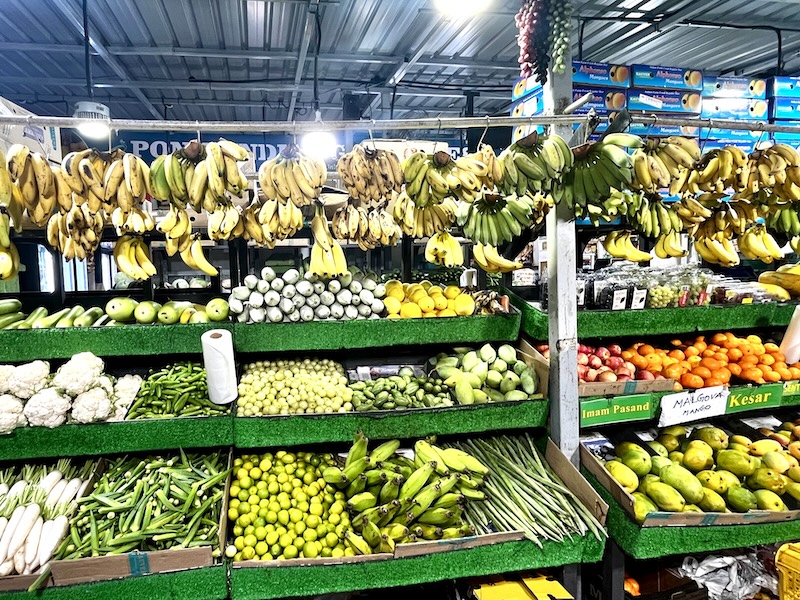
Beyond the museums and monuments, Little India is a place of small, vivid, and deeply sensory moments that stay with you long after you leave. At Tekka Centre, the ground floor is a bustling wet market of fresh seafood, tropical fruit, and rows upon rows of vibrant produce, while the upper hawker level serves some of the finest South Indian and Malay street food in the city. The air here is thick with the sounds of haggling and the smells of sizzling spices.
 A visit to the flower stalls is an absolute must. Here, you will find thousands of fresh marigold garlands—the deep, fiery orange and bright yellow blooms threaded into intricate necklaces—hanging in massive, fragrant curtains. These garlands are not just decorations; they are an integral part of daily worship and celebration, and watching the florists weave them with practiced speed is an art form in itself. The vibrant colors of the flowers against the weathered walls of the shophouses are a photographer’s dream, capturing the essence of the neighborhood in a single frame.
And then there is Little India Arcade on Campbell Lane, where jasmine garlands hang beside packed spice shelves and trays of traditional Indian sweets. 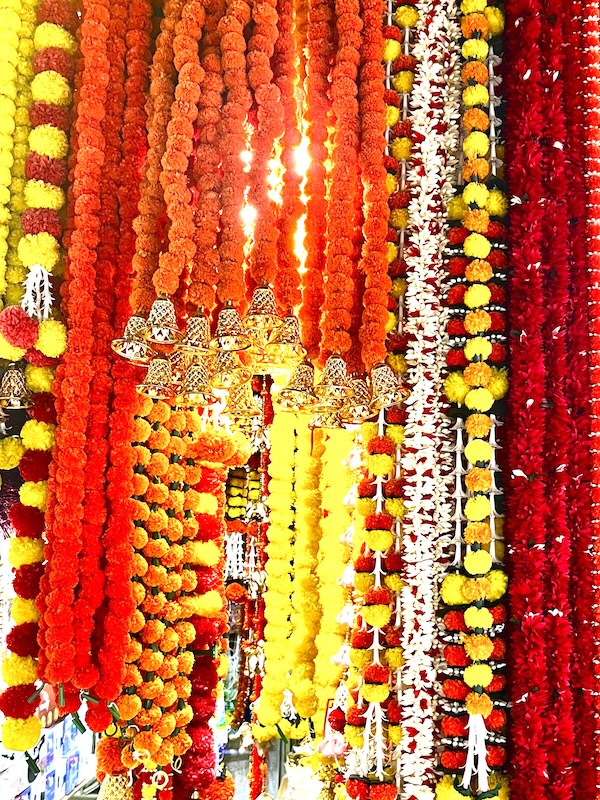 It is a treasure trove of textiles, souvenirs, and local life. As you wander through the narrow alleys, you will encounter street art that brings the walls to life—mural of colorful cows covered in floral patterns, majestic faces of Hindu deities peering down from above, and scenes of traditional trades like sewing and spice grinding. These murals are not just street art; they are visual narratives that celebrate the history and identity of the community.
And let us not forget Mustafa Centre, the sprawling, six-floor, 24-hour department store that is a Singapore institution unto itself. It is chaotic, fascinating, and completely unique—a place where you can buy anything from gold jewelry to groceries at any hour of the day or night. It is a microcosm of Little India itself: overwhelming, diverse, and utterly captivating.
The Rhythm of the Streets
 What makes Little India truly special is the rhythm of its streets. It is a place where you can witness the everyday life of a community unfold before your eyes. A man walking past a brightly colored storefront, a group of women in beautiful saris chatting on a corner, the smell of a fresh dosa being prepared in a restaurant kitchen—these are the moments that define the neighborhood.
At night, the area transforms again. The neon signs of the restaurants and shops flicker to life, and the streets fill with people. The Aroy Mak Mookata sign, with its glowing Thai noodles and Thai BBQ, hints at the cross-cultural influences that flow through Singapore. 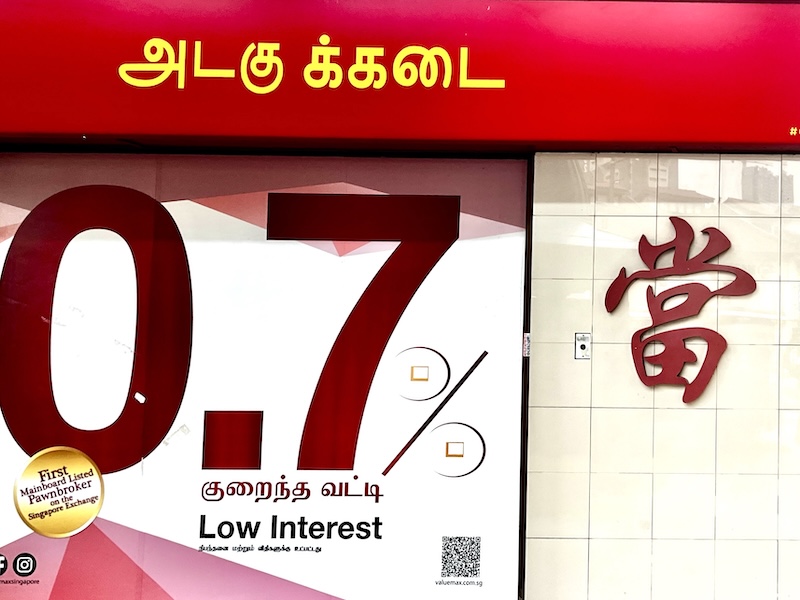 The Indian Muslim restaurants, like the iconic Al Haleem on Perak Road, with its bright orange awning and historic shophouse architecture, offer a different culinary tradition, serving up rich, slow-cooked stews that warm the soul. The Royal Arabian Mandi and Bhai Biryani signs are beacons for food lovers, promising a feast of aromatic rice and tender meats.
The street signs themselves are a delight. The green sign for Campbell Lane is a perfect example of Singapore’s multicultural identity, displaying the street name in both English and Tamil script. It is a simple detail, but it speaks volumes about the inclusive, multilingual fabric of the city.
The Asian Itinerary Verdict
 Little India is not a place you simply see. It is a place you feel. It is a place where the sensory density—the colors, the spices, the music, the faith—creates an experience that leaves you wonderfully overwhelmed, your camera full, and your spirit lifted.
For travelers seeking to understand the layers of Singapore’s multicultural identity, this neighborhood is not optional. It is essential. It is a reminder that beneath the sleek, modern surface of the city-state lies a rich, complex history of migration, struggle, and triumph. It is a place where the old world meets the new, where the sacred and the profane walk side by side, and where every corner tells a story.
 Whether you are wandering through the halls of the Indian Heritage Centre, standing in awe before the gopuram of Sri Veeramakaliamman Temple, or simply sipping a cup of teh tarik while watching the world go by, Little India will leave an indelible mark on your memory. It is a true kaleidoscope of culture, color, and faith—a living testament to the beauty of diversity.
Key Information for Visitors:
Indian Heritage Centre: 5 Campbell Lane, Singapore 209924. Open Tuesday–Sunday. Closed Mondays. www.indianheritage.gov.sg/en
Nagore Dargah Indian Muslim Heritage Centre: 140 Telok Ayer Street, Singapore 068604. Open Monday–Friday, 10am–5.30pm; Saturday, 9am–1pm. https://ndimhc.mimbar.sg/
Getting There: Little India MRT Station (DT12/NE7) or Farrer Park MRT (NE8).


