

A Window Into Japan’s Storytelling Past
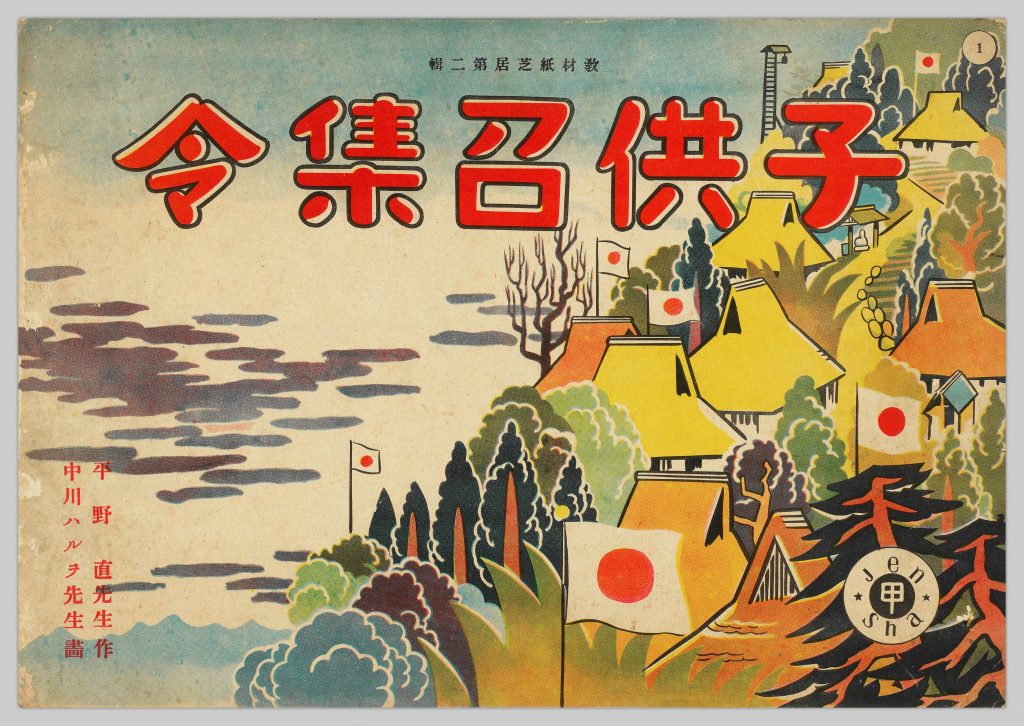 Japan has always been a land of stories—told through calligraphy, poetry, puppetry, and theater. Among its many traditions, Kamishibai Japanese street theater holds a special place. Once a popular form of entertainment in the early 20th century, Kamishibai combined illustrated picture cards with the skill of a storyteller who narrated tales in public spaces. Though it faded with the rise of television, Kamishibai remains a cultural treasure and a fascinating glimpse into Japan’s history.
What is Kamishibai?
The word Kamishibai translates to “paper play.” A performer, often on a bicycle equipped with a small wooden stage, would stop in parks or street corners. Using a series of illustrated cards inserted into the stage, the storyteller narrated folk tales, legends, or even moral lessons to children and adults gathered around.
This form of storytelling wasn’t just entertainment—it was also interactive and community-driven. Listeners bought small sweets or snacks from the Kamishibai performer, making the event both a show and a livelihood.
The Golden Age of Kamishibai
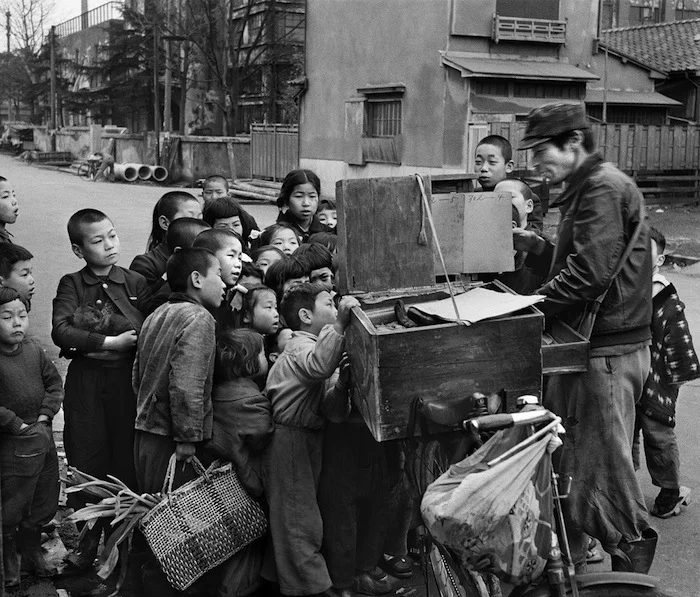 Kamishibai rose to fame during the 1920s and 1930s, especially in urban neighborhoods. For children growing up in Japan’s pre- and post-war years, it was their equivalent of cinema or television. Episodes of popular stories unfolded week by week, and audiences eagerly returned to find out what happened next.
During wartime, Kamishibai was even used as a tool for propaganda, proving its power to influence and engage. Later, its visual storytelling techniques inspired Japanese manga and anime, which today are among Japan’s biggest cultural exports.
Why Did Kamishibai Disappear?
With the spread of television in the 1950s, Kamishibai lost much of its audience. Families began gathering around TV screens instead of street corners, and the once-vibrant art form declined. Performers faded away, and by the late 20th century, Kamishibai was nearly forgotten.
Yet, it never fully disappeared. Schools, libraries, and cultural institutions in Japan and abroad have revived Kamishibai as an educational tool. Its simplicity—pictures, words, and human connection—still captivates both children and adults.
Kamishibai in Modern Japan

Today, you can still experience Kamishibai in certain cultural festivals
Today, you can still experience Kamishibai in certain cultural festivals, children’s libraries, or dedicated theaters across Japan. Some storytellers keep the tradition alive, while others experiment by blending it with digital media, theater, or even tourism experiences.
For travelers interested in Japanese culture, catching a Kamishibai performance is like stepping back in time. It offers a chance to understand how storytelling shaped everyday life in Japan long before Netflix and social media.
Why Kamishibai Matters for Travelers
Exploring Kamishibai gives visitors more than just an entertaining story—it provides insight into Japan’s social history and community spirit. The art of Kamishibai is about slowing down, gathering together, and sharing a narrative that sparks imagination.
When visiting Japan, travelers seeking authentic cultural experiences beyond the usual shrines and sushi tours should look out for Kamishibai workshops or performances. They are often small, intimate, and deeply rewarding.
Final Thoughts
Kamishibai may no longer be the main stage of Japanese entertainment, but its influence is still felt in today’s manga, anime, and storytelling traditions. More importantly, it reminds us that the best journeys often start with a story shared among strangers.
For travelers exploring Japan, experiencing Kamishibai is a chance to connect with a timeless cultural practice—one that celebrates art, imagination, and community spirit.
For a deeper dive into Kamishibai’s history and educational uses, visit the International Kamishibai Association of Japan (IKAJA).


