
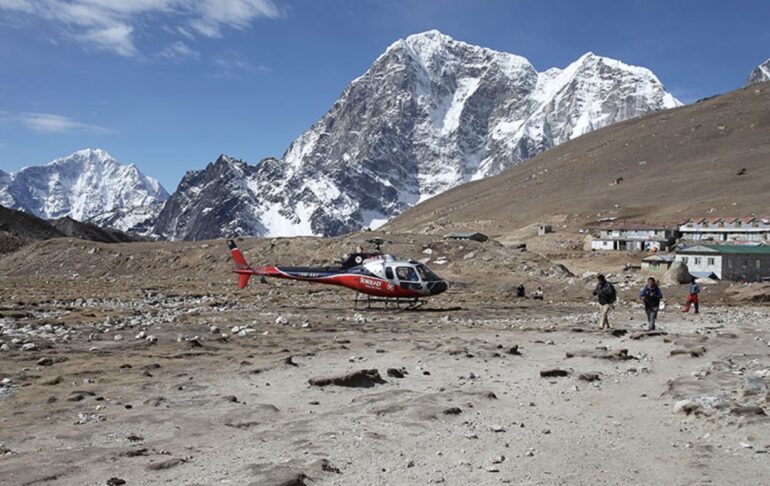
The standard Everest Trek in Nepal is one of the most sought-after treks in Nepal. It goes deep into the Khumbu region, passing through the terraced farmlands, traditional villages, alpine forests, suspension bridges, and glacial valleys. Along the route, trekkers witness breathtaking mountain views, including views of Everest, Lhotse, and Nuptse.
The Everest Base Camp Trek with Helicopter Return is an upgraded version of this classic journey. It replaces trekking back to Kathmandu from the base camp with a scenic helicopter flight from Gorak Shep. This significantly reduces the duration of the trip and the physical strain. Talking about the cost, the standard EBC trek is more affordable than the helicopter return trip. With that, here is a comprehensive price comparison of the two.
Everest Base Camp Trek Cost
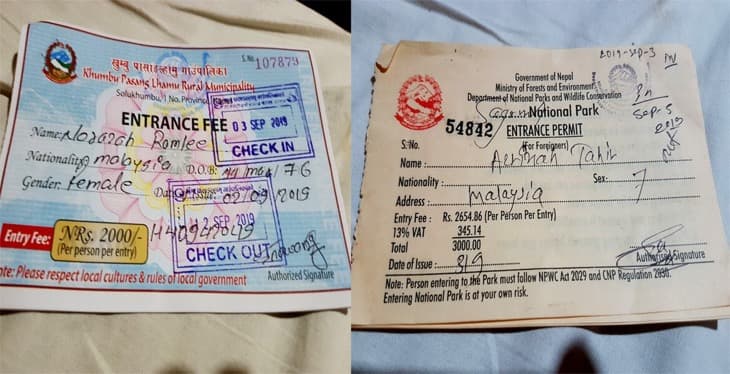
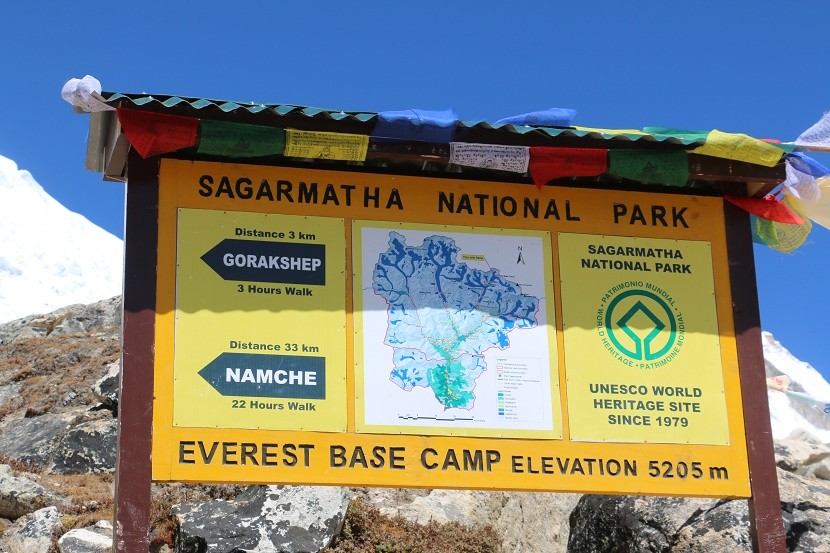 When going through a registered travel agency, a standard 14 days package is priced at about $1,550 to $2,000. It typically includes airport pickup and drop-off services. Similarly, it covers breakfast, lunch, and dinner in teahouses throughout the trek. This also includes total fees for acquiring the Sagarmatha National Park permit and the Khumbu Pasang Lhamu Rural Municipality permit.
Additionally, the package also covers the cost of the Kathmandu-Lukla-Kathmandu flights. It usually comes with a licensed trekking guide and a porter. Furthermore, it also takes care of basic first-aid treatment.
However, there are a few additional expenditures that these packages do not cover. You may want to try extra snacks and soft drinks, this may cost around $100 to $200 for the entire trek to the base camp. Similarly, teahouses typically charge an extra fee for Wi-Fi services. It typically costs around $3 to $10 for a day.
As you move higher toward Dingboche, Lobuche, and Gorak Shep, the internet becomes less reliable but more expensive due to limited infrastructure. Likewise, charging phones and cameras often costs $2 to $10 per drive for an hour. Hot showers along the trekking route are priced at about $2 to $8 per bath.
 Even though tipping is not mandatory, it is customary practice in Nepal. For a day, $10 to $20 for a guide and $5 to $15 for a porter is a common practice. Similarly, basic travel insurance is typically $100 to $150 for an Everest Base Camp journey. Moreover, a comprehensive insurance covering emergency helicopter evacuation is about $200 to $250 or more, depending on the coverage and insurer.
Everest Base Camp Trek with A Helicopter Return Cost
There are several travel agencies in Kathmandu operating these packages, typically ranging from $2,500 to $4,000 per person. It covers breakfast, lunch, and dinner throughout the trek and accommodation. Additionally, the package also includes all the necessary trekking permits, a flight from Lukla to Kathmandu, and a helicopter from Gorak Shep to Kathmandu. You will also get an English-speaking guide and a porter that you will share with your fellow trekkers. Furthermore, the package includes all the governmental expenses and taxes.
If you want to take a private helicopter flight, then the cost can reach $4,000 to $5,000 or more. Other than that, trekkers have to be mindful of the personal expenses that are included in the package. Daily spending of $10 to $15 on snacks, beverages, and water can add up to $150 to $200 in total.
A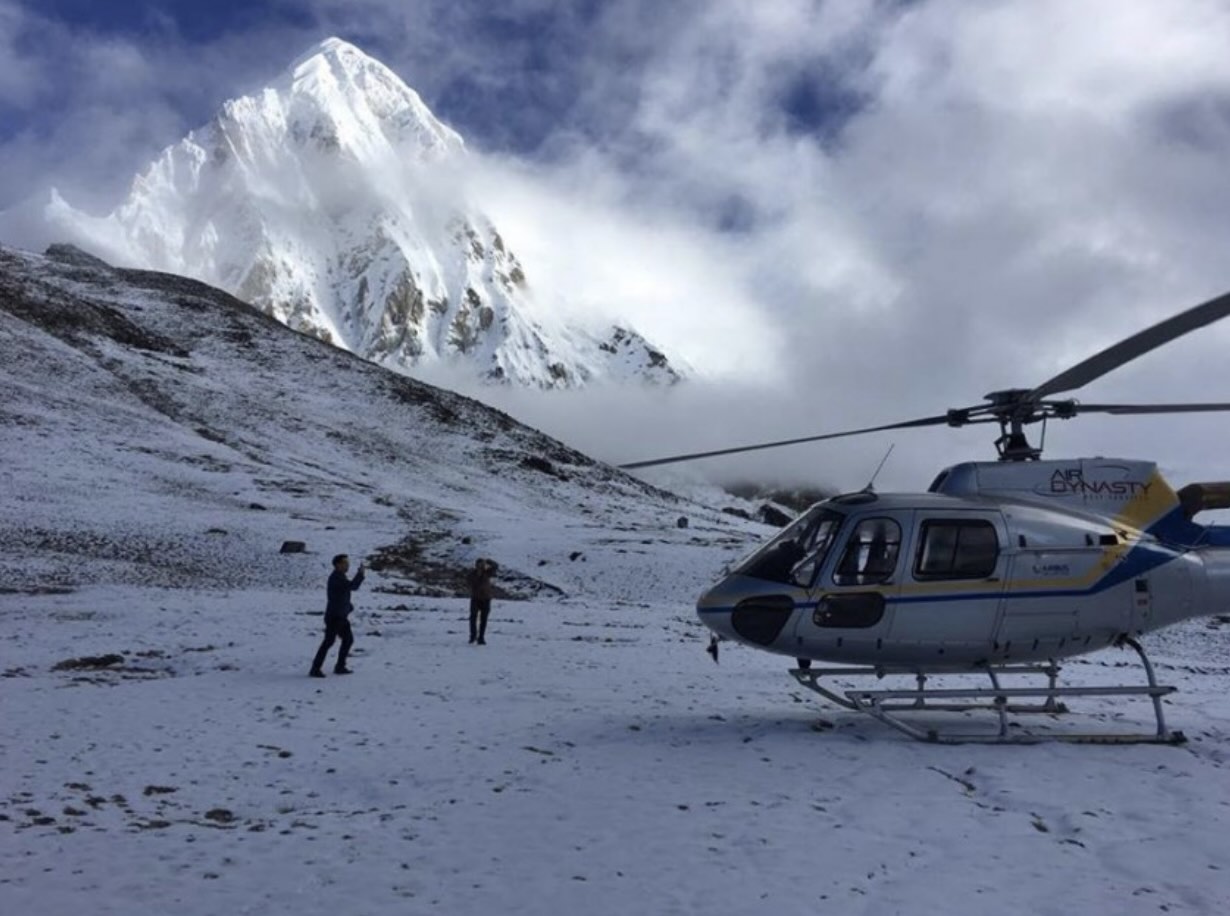 nother frequent expenditure on the trek comes from Wi-Fi and hot showers. Teahouses generally charge $3 to $10 for these facilities, but the prices rise as you ascend. Alternatively, trekkers can use the Everest Link Card for internet service. Its price is mentioned below.
A 10 GB package valid for 30 days is $20
A 20 GB package valid for 30 days is $30
You may purchase these cards in shops and teahouses along the Everest Base Camp Trek route. Likewise, buying or renting trekking gear, like jackets, gloves, pants, socks, etc., can add up to $40 to $80.
Combined personal expenses alone can reach $300 to $500 over 9 days. Therefore, when compared to the classic Everest Base Camp trek, the helicopter return trek is expensive. This is because trekkers have to pay for a helicopter flight, but most of the daily amount on the route remains the same.
Value For Money
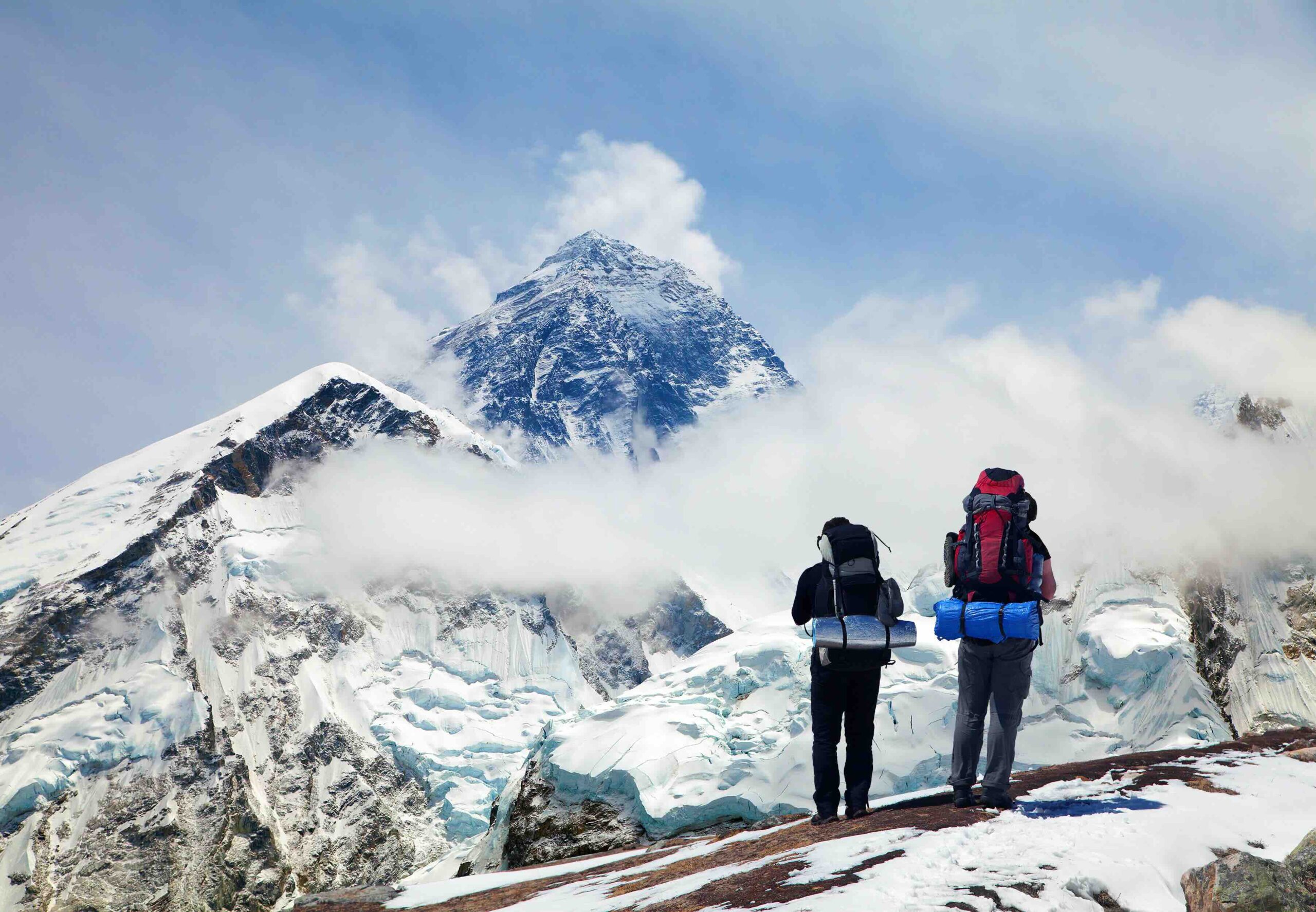 For both of the treks, this really depends on what your expectations are from the trip. The standard Everest Base Camp Trek is more affordable than the one with a helicopter return to Kathmandu. However, flying back to Kathmandu is more time-saving, reduces physical strain, and provides added comfort.
Talking about the value for money, the classic EBC trek presents a more authentic high-altitude trekking experience as you complete the entire ascent and descent on foot. Furthermore, you spend more time in Sherpa villages, allowing deeper cultural immersion.
On the other hand, the helicopter return offers a scenic helicopter flight over the Khumbu region with unmatched views below. In conclusion, the standard trek is suitable for people who value a more authentic mountain experience rather than comfort. Similarly, for trekkers who want to view the Everest Region in its entirety from the ground as well as the sky, the helicopter return is more rewarding. Since this package is also short in duration, people with busy schedules should also opt for it. Given that the Everest Base Camp Trek with Helicopter return also reduces the physical strain of walking down, it is better suited for beginners. Therefore, both of these options are highly rewarding and offer complete value for the money you pay. The final choice depends on your schedule and expectations from the journey.


