
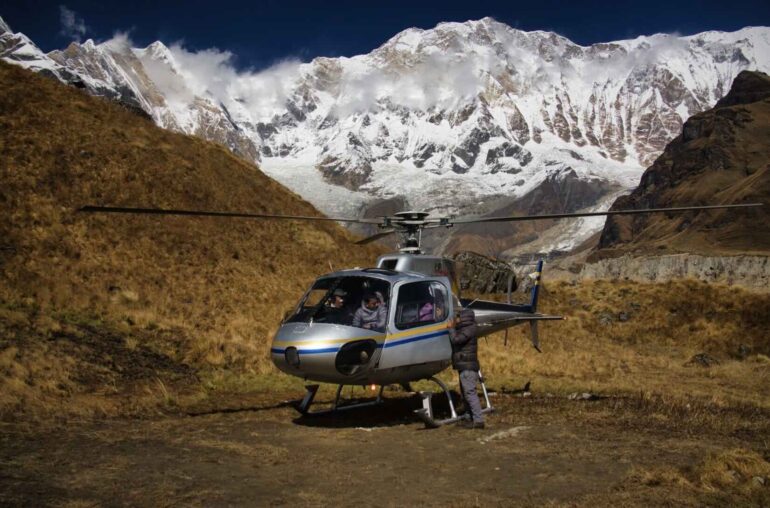
Introduction: Two Ways to Experience Everest
Almost everyone who dreams about Everest hits the same fork in the road. Do you fly in, see the mountains from the air, and be back in Kathmandu for lunch? Or do you give it a couple of weeks and walk?
The Everest Base Camp helicopter tour suits travelers who are short on days and want big mountain views without long hours on foot. Everest Base Camp Trekking is the slower story, with Sherpa villages, suspension bridges, teahouse dinners and altitude that builds a little each day.
They differ in cost, effort, preparation and how much high altitude your body has to handle at once. This guide walks through both so you can match the trip to your budget, your calendar and your fitness.
Everest Base Camp Helicopter Tour vs Trekking: What Is the Difference?
Helicopter Tour: A Short Journey into the Everest Region
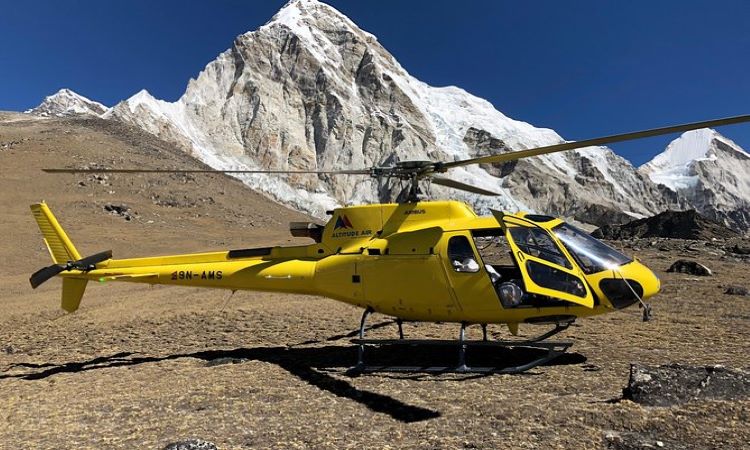 A helicopter sightseeing flight takes you from Kathmandu into the Khumbu in a matter of hours. You get close-up views of Everest, Lhotse, Nuptse and the Khumbu Glacier. Some flights include a landing near the mountain.
Notice the word “some.” Weather, wind, altitude and the combined weight of passengers and fuel all decide what the pilot can do. A landing at Everest Base Camp or Kala Patthar is never guaranteed on any given flight.
Everest Base Camp Trekking: A Journey Through the Khumbu Valley
The Everest Base Camp Trekking usually begins with a flight to Lukla, then a walk to Phakding. From there the trail climbs through Namche Bazaar, Tengboche, Dingboche and Gorak Shep, finally reaching Everest Base Camp.
The rest days matter more than most first-timers expect. They give your body time to adjust, and they give you time to sit in a warm teahouse, drink something hot and watch the valley change colour.
Everest Base Camp Helicopter Tour Cost and Trekking Budget
How Much Does an Everest Helicopter Tour Cost?
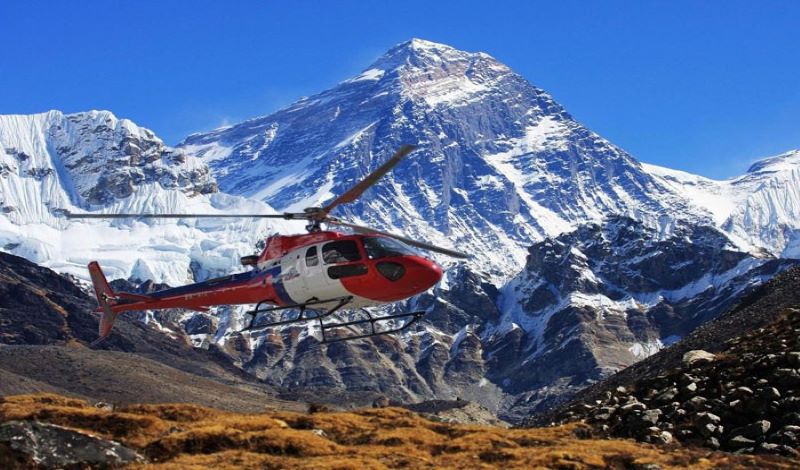 There isn’t one fixed number, so be wary of anyone quoting it as if there were. Price shifts with shared versus private flights, how many passengers are on board, weight distribution, whether a landing is planned, route changes and the season’s weather.
Two tours with similar headline prices can include very different things. Check exactly what is covered before you compare.
Everest Base Camp Trekking Cost Breakdown
Trekking spreads the spending across many small items: teahouse rooms, meals, the domestic flight to Lukla, permits, a guide, porters, insurance, gear and personal extras like snacks, charging fees and tips. Group size, trek length and comfort level move the final figure a lot, and private services cost more than joining a group.
| Cost area | Helicopter tour | Trekking |
| Total cost categories | One main package price | Many smaller costs added together |
| Transportation and accommodation | Flights, transfers; usually no overnight stay | Lukla flight, teahouse stays along the trail |
| Guide and porter arrangements | Crew and ground staff handled by operator | Guide and porter fees, optional but common |
| Meals and permits | Breakfast sometimes included; check | Meals daily; trekking permits required |
| Additional expenses and contingency | Possible weather-related changes | Extra nights, gear, tips, delays |
Ask any operator for a written breakdown of inclusions, exclusions and cancellation terms. Ask, too, what happens to the price if bad weather forces a delay or a change of plan.
Best Time for an Everest Helicopter Tour and Base Camp Trek
Spring Season: March to May
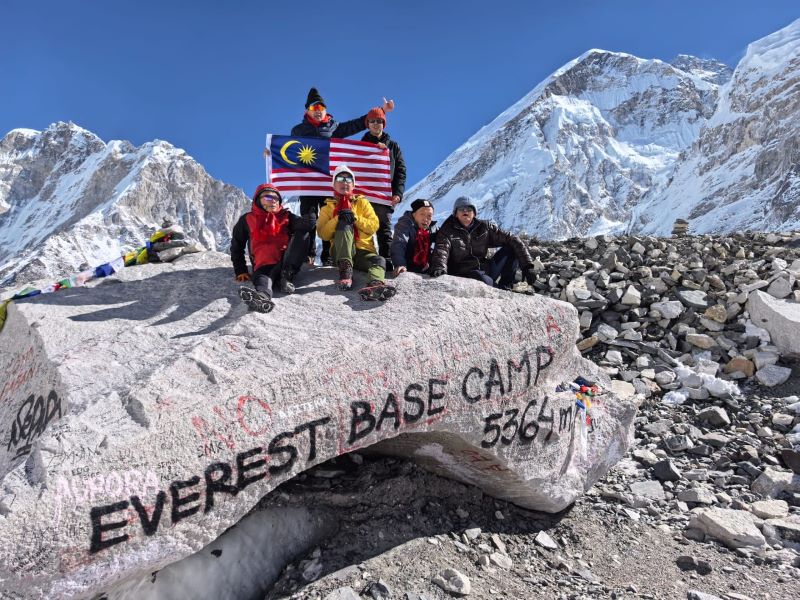 Spring is a favourite for trekking and flying. Trails are lively, the scenery is lovely and the mountains often show themselves. Clouds can still build up and mess with visibility and flight schedules.
Autumn Season: September to November
Autumn is the other popular window, with cooler air and plenty of mountain views. A crisp, clear morning doesn’t promise that every helicopter will go up, though. Conditions change quickly in the mountains.
Winter and Monsoon Considerations
Winter brings serious cold, snow and cloud. The monsoon brings rain, cloud cover and tougher trail conditions, and both seasons can disrupt flights. Whatever time you pick, keep your schedule loose rather than pinning everything to one departure day.
Everest Base Camp Helicopter Tour Itinerary
Early Morning Departure from Kathmandu
Expect an early start, with a transfer to the airport, a flight briefing and boarding. Exact times depend on the operator, the season and the weather.
Flight Toward Lukla and the Khumbu Region
The flight heads toward Lukla and the Khumbu, with Himalayan peaks appearing along the way. Some itineraries include a refuelling or operational stop. Routing can change depending on the weather and the aircraft’s requirements.
Pheriche, Everest Viewpoints, and Return Flight
Passenger weight matters a lot at altitude. Because of it, some tours use lower-altitude spots like Pheriche, with a shuttle arrangement so the aircraft can go higher with fewer people. You may fly close to Everest and have breakfast somewhere scenic if the package includes it. Where the helicopter can actually stop comes down to landing permissions, ground conditions, altitude and safety calls made by the crew.
Everest Base Camp Trekking Itinerary: What to Expect Day by Day
Kathmandu to Lukla and the First Walking Days
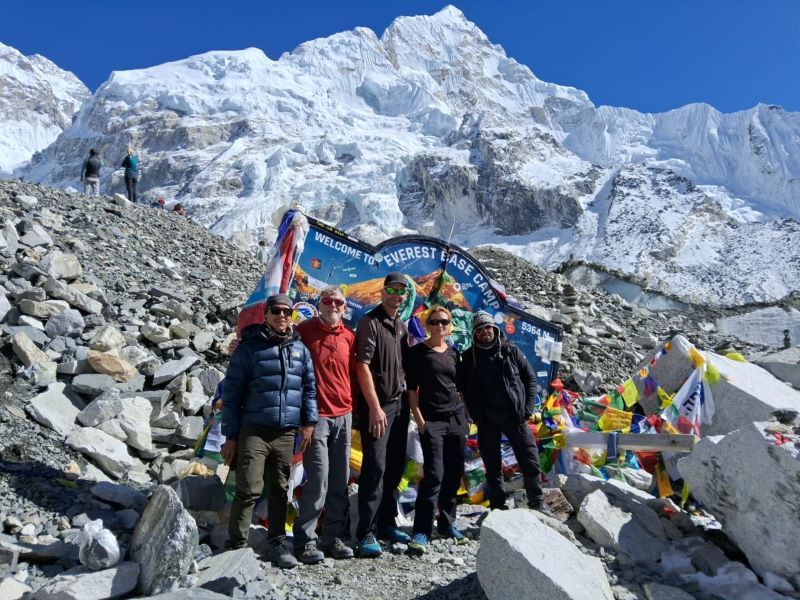 You fly into Lukla, start walking toward Phakding, then continue on to Namche Bazaar. The first days are gentle compared with what follows, but they set the pace for the whole trip.
Acclimatization and the Higher Khumbu Villages
Most trekkers add extra time around Namche Bazaar and Dingboche so their bodies can adjust. The route passes Tengboche, with its monastery, and continues through the settlements leading toward Lobuche. Going slowly isn’t a weakness here. It’s the strategy.
Gorak Shep, Everest Base Camp, and the Return Journey
The final stretch leads to Gorak Shep and then Everest Base Camp. After returning to Gorak Shep, many trekkers try the optional Kala Patthar viewpoint if conditions and the itinerary allow. Itineraries differ from one operator to the next, so look for one with enough acclimatization and spare time built in.
Difficulty, Fitness, and Altitude: Which Option Is More Demanding?
Physical Demands of the Helicopter Tour
Less walking doesn’t mean zero risk. You’ll still deal with thin air, cold, possible motion discomfort and the need to follow crew instructions closely.
Trekking Endurance and Daily Walking
Trekking means several hours of walking a day, steep climbs and descents, uneven trails and shifting temperatures, all while carrying a daypack. It’s demanding, but it’s the kind of effort you can train for.
Altitude Sickness and Acclimatization
Headache, nausea, dizziness and unusual tiredness are common warning signs of altitude sickness. A fast ascent, like a helicopter excursion, can be risky for exactly that reason, since your body gets little time to adapt. Being fit doesn’t protect you from altitude illness. Severe symptoms call for prompt descent and a medical check.
Safety Precautions for Helicopter Tours and Trekking
Helicopter Safety and Weather Decisions
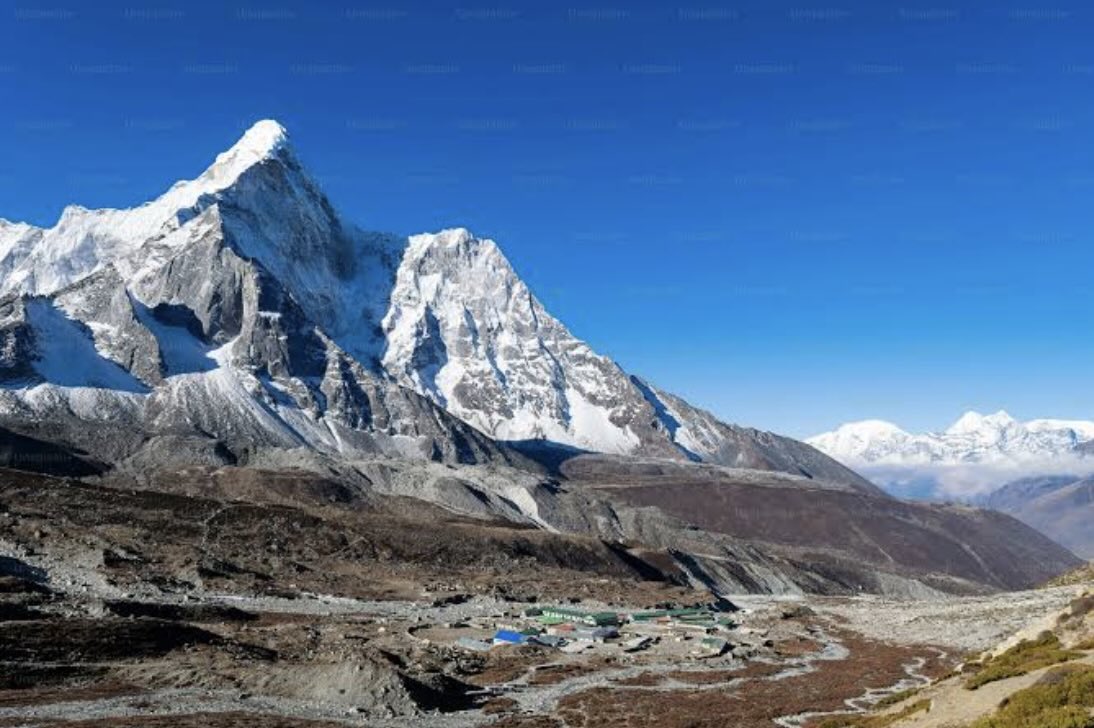 Pay attention to weight limits, the passenger briefing, seat allocation and safe boarding, and respect landing restrictions. If the pilot decides to delay, reroute or cancel, accept it. That judgment call is part of why these flights are done carefully.
Trekking Safety on High-Altitude Trails
Go with an experienced guide, wear proper footwear, drink plenty of water, check the weather and keep a steady pace. Stay on established trails.
Emergency Planning and Travel Insurance
Choose insurance that clearly covers high-altitude trekking and, where relevant, helicopter evacuation. Before you leave, confirm the altitude limits, the exclusions, the emergency arrangements and how the operator communicates if something goes wrong.
Preparation Checklist: What to Pack and Arrange Before Departure
Clothing and Essential Equipment
Pack layers, a warm jacket, gloves, sun protection, sturdy footwear, water bottles and a small daypack. If you’re flying, follow the operator’s baggage and weight rules.
Documents, Permits, and Health Preparation
Carry identification, trekking permits where needed, insurance papers and any personal medication. Talk to a qualified healthcare professional before heading to high altitude.
Buffer Days and Flexible Planning
Leave a few spare days. Flights get delayed, domestic connections slip and trekking plans change, and a flexible schedule makes all of that far less stressful.
Local Culture, Mountain Villages, and Responsible Travel
Trekking gives you far more time in Sherpa communities, at monasteries and in daily village life. A helicopter excursion offers only a short glimpse of that.
Whichever you choose, respect local customs, ask before photographing people, keep waste to a minimum and follow local guidance around religious sites and the mountain environment.
Which Everest Experience Should You Choose?
The helicopter tour fits travelers with limited time who want aerial mountain views in a shorter outing. Trekking is for those who want a physical challenge, gradual acclimatization, village life and a longer journey through the Everest region. Some people consider a trek with a helicopter return, depending on route availability, cost, weather and operational arrangements.
If you’re comparing options, Adventure Great Himalaya is one provider that plans both trekking and helicopter tours.
Final Thoughts: Plan for the Experience, Not Just the Destination
The right Everest experience depends on your time, budget, fitness, altitude tolerance and interests. Compare full itineraries, understand the safety limits and leave room for the realities of Himalayan travel.
Frequently Asked Questions
How much does an Everest Base Camp Helicopter Tour cost?
It depends on shared or private arrangements, the route, passenger weight and what’s included.
How many days are needed for Everest Base Camp Trekking?
That depends on the itinerary, acclimatization needs and travel arrangements.
Can a helicopter land at Everest Base Camp?
Not always. Landing depends on operational, environmental and safety conditions.
Is the helicopter tour safer than trekking?
The risks are different, and neither should be treated as risk-free.
What is the best time to visit Everest Base Camp?
Spring and autumn are the usual trekking seasons, though weather varies.
Can beginners complete the Everest Base Camp Trek?
Yes, with preparation, a sensible pace, proper acclimatization and a suitable itinerary.

