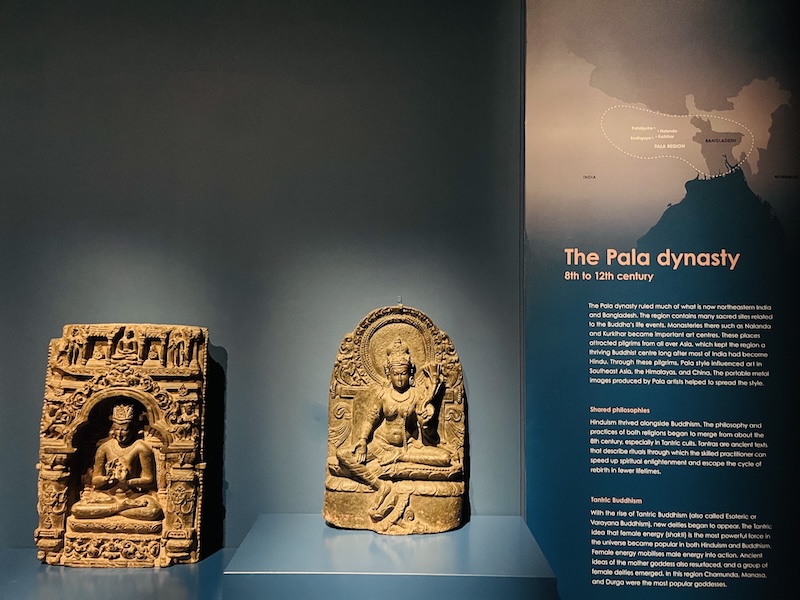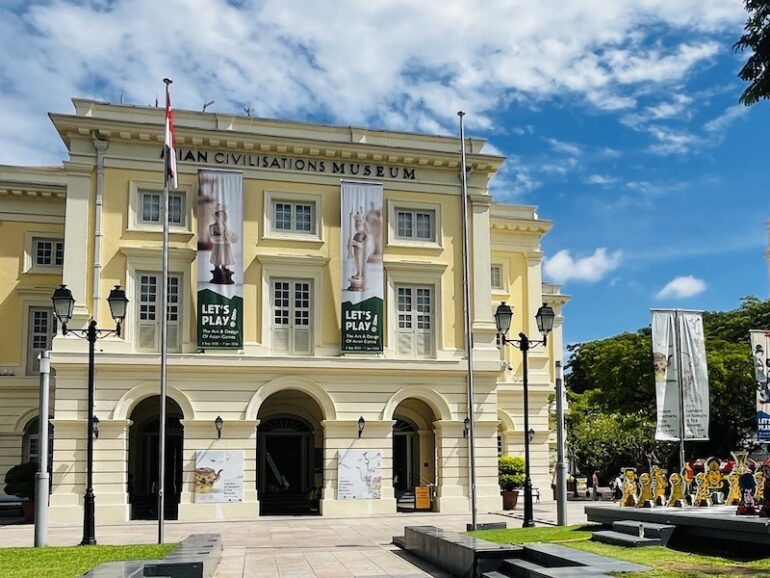
Some museum visits are a quick walk-through, a tick-box on a cultural itinerary. Others demand you surrender to them completely. My solo media trip to Singapore with Asian Itinerary, dedicated to discovering the cultural and artistic soul of Singapore, led me to one of the latter: the Asian Civilisations Museum (ACM). I had planned a reasonable visit. I ended up spending five glorious hours inside, a personal record for this trip, which meant my planned visit to the Peranakan Museum had to be postponed to later in the week. I simply could not tear myself away.
The museum’s permanent galleries alone justify a full day’s exploration. It is the only museum in Asia devoted to exploring pan-Asian civilizations, showcasing the artistic and diverse heritage of cultures from across the continent. The experience is thoughtfully curated across three large floors, each telling a distinct part of Asia’s story through trade, faith, and artistry.
Level 1: The Maritime Silk Road
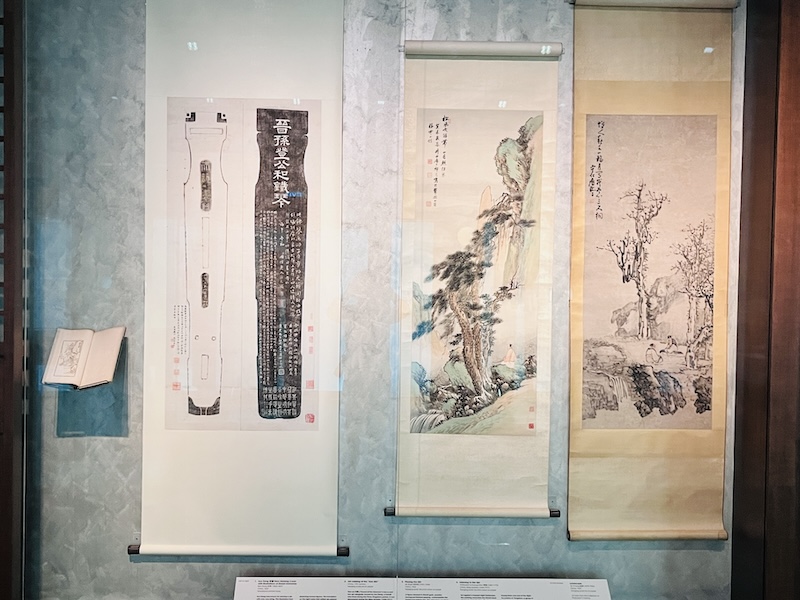 The journey begins on the ground floor, where the Trade and Maritime Silk Route Galleries immediately transport you to an era of bustling ports and seafaring merchants. These galleries tell the story of how goods, ideas, and people moved across Asia’s waters, shaping the region’s history.
The undisputed highlight here is the Tang Shipwreck Gallery, home to the museum’s “star exhibit.” In 1998, a ninth-century Arab dhow was discovered near Belitung Island, carrying tens of thousands of ceramics, gold, and silver objects destined for the Middle East. The exquisite artifacts recovered from this wreck are a testament to Singapore’s historic role in global maritime trade and the sheer scale of exchange along the Maritime Silk Route.
Level 2: A Gathering of Faiths
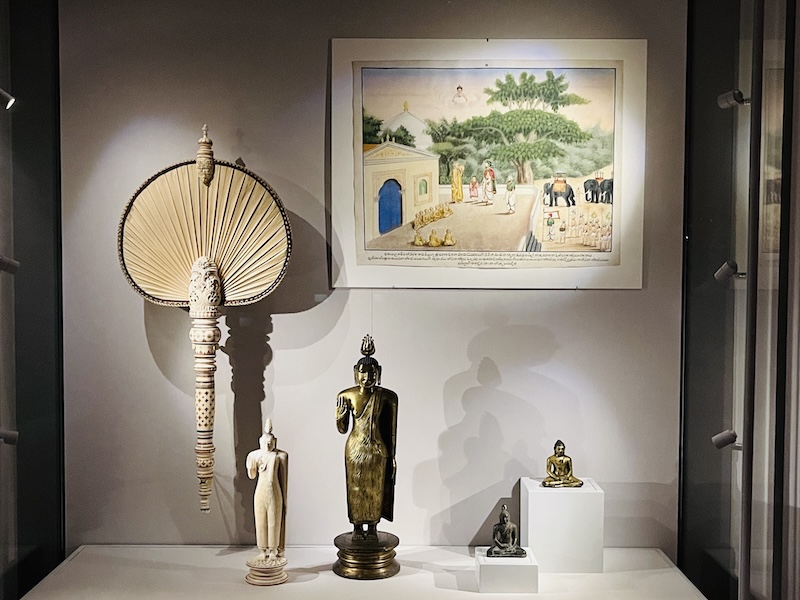 The second floor is perhaps the most captivating, bringing the spiritual history of Asia into sharp focus. The Faith and Belief Galleries present a remarkable collection of Buddhist, Hindu, Islamic, and Christian art, all in one space.
Here, you can see a tall bronze statue of a calmly smiling Buddha, alongside intricate depictions of Hindu gods like Shiva. A rare and masterful red sandstone Buddha from the Mathura school, dated to the Kanishka era, is among the museum’s prized possessions. The galleries explore how these religious beliefs spread and merged through trade, with artifacts showing the Virgin Mary depicted in Buddhist robes or donning Sri Lankan royal necklaces.
Level 3: Craftsmanship and Aesthetics
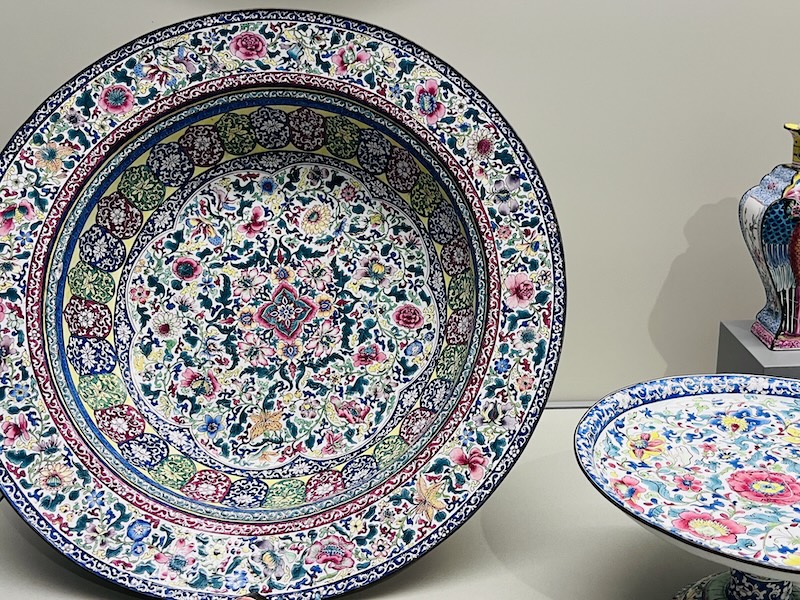 The third floor focuses on the decorative arts and the fusion of cultures. The Chinese Ceramics Gallery is a must-see, featuring over three hundred objects from earthenware burial goods to the finest Imperial porcelains. The ACM’s collection of lustrous Dehua porcelain from Fujian province is recognized as one of the finest and most comprehensive in the world.
This floor also houses the Fashion and Textiles Gallery, which often showcases the historic global impact of Indian textile production and its role as a medium of trade and cultural exchange with the Middle East, Southeast Asia, and Europe.
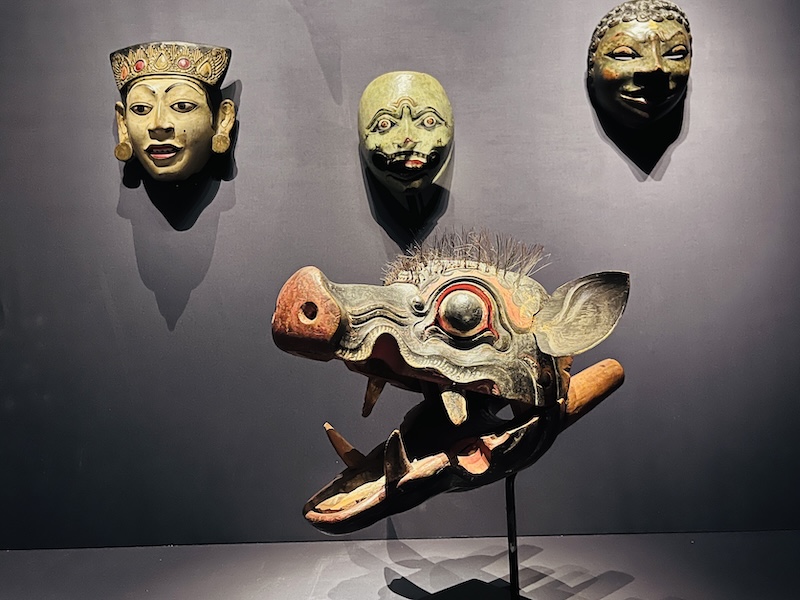 Of particular note was the Chinese Scholars Gallery, which explores the world of the literati—the scholars and officials who shaped Chinese culture. The gallery displays the “Four Treasures of the Study” (inkstones, ink sticks, paper, and brushes), along with scholar’s rocks, fine furniture, and ancient bronzes that reveal the taste and pursuits of this elite class.
A Sweet Interlude
My visit was further enriched by a serendipitous encounter with a special multi-sensory exhibition. The museum, in collaboration with tea brand CHAGEE, had curated “Garden of Senses: A Tea Reverie.” 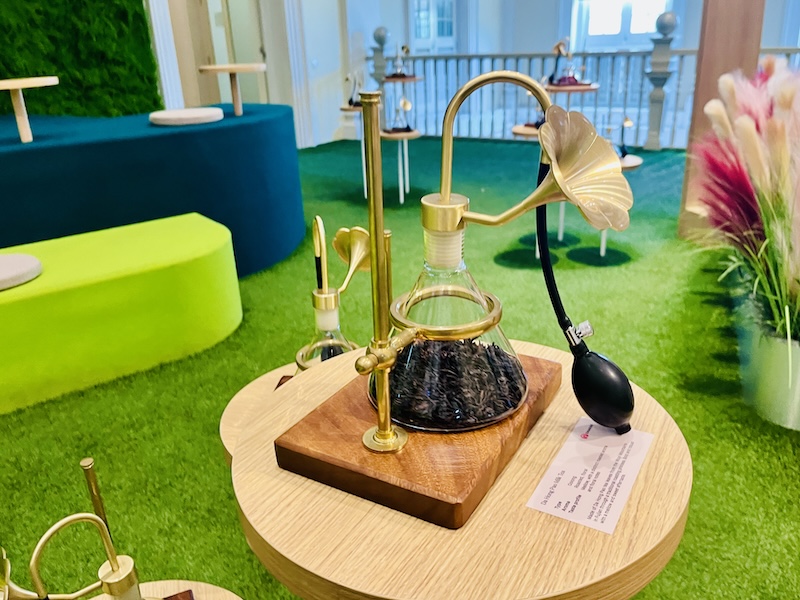 In a dedicated area, a knowledgeable guide from CHAGEE explained the exhibit in detail, showing us four types of tea to smell and sharing insights into the tea and coffee culture of Singapore. The showcase also featured art installations and artifacts related to tea, including a fascinating tea-brewer that makes tea in the same way it would make coffee.
After her engaging tour, she recommended I visit the CHAGEE store inside the museum to try one of their teas—an excellent suggestion I gladly took. Refreshed, I was ready to dive back into the permanent galleries to explore the parts I had missed.
A Serendipitous Encounter: The “Let’s Play!” Exhibition
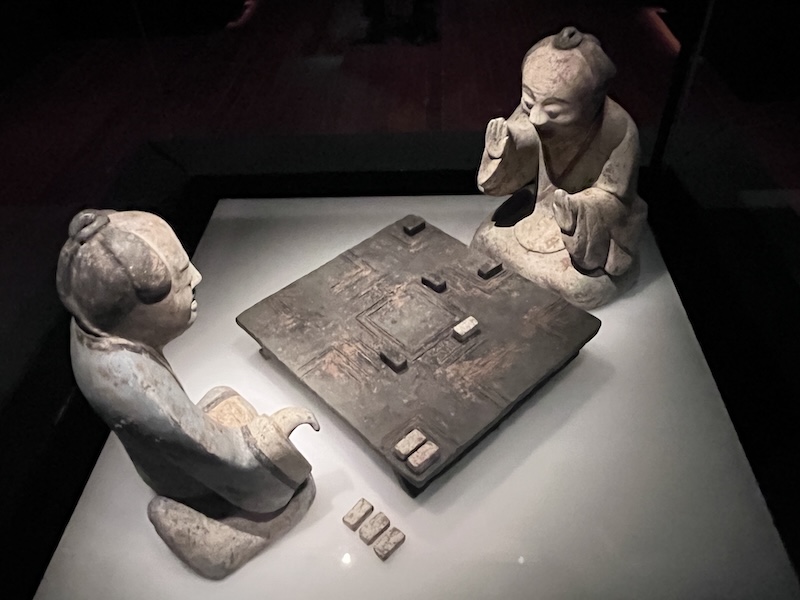 My visit was particularly special as I was lucky enough to catch the museum’s special exhibition, “Let’s Play! The Art and Design of Asian Games”. This vibrant showcase features over 150 historical artefacts and contemporary works that explore the origins and cultural significance of games from across Asia.
It was fascinating to see how games like chess, mahjong, and weiqi are more than just pastimes; they are metaphors for life, tools for diplomacy, and expressions of power and status -7. The exhibition reveals, for example, that chess began in India as a war game called chaturanga, which eventually evolved and spread to Persia and beyond, giving us the modern chess we know today
A Final Verdict
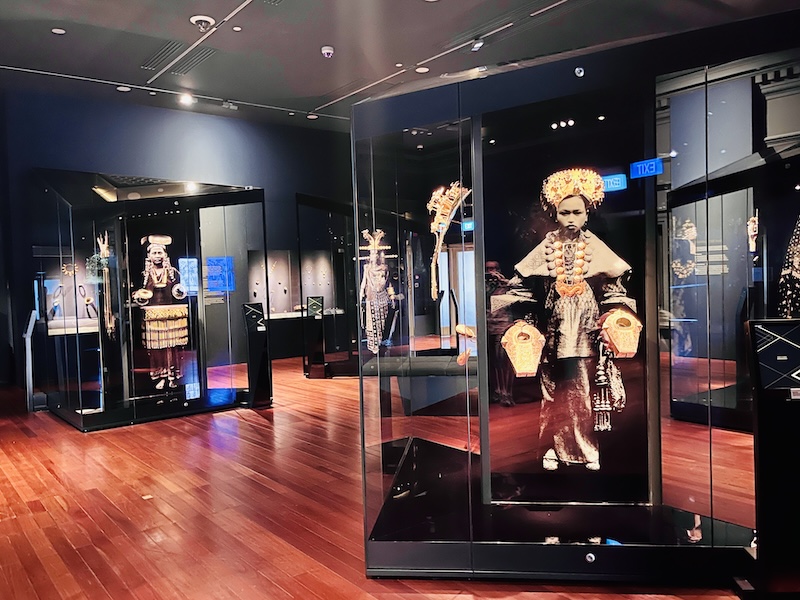 Whether you are a history buff, an art enthusiast, or a curious traveler, the Asian Civilisations Museum offers an exquisite and profound journey through the heart of Asia’s cultural heritage. I recommend setting aside at least a good three hours for a proper tour. The museum is surrounded by manicured gardens along the riverfront, and the colonial-style Empress Place Building is a masterpiece in itself. It is a place where, as I discovered, a simple museum visit can easily transform into an unforgettable five-hour odyssey.