
Nepal has so many famous trails that choosing one can feel strangely stressful. Every route looks incredible online, and an hour of scrolling usually leaves you more confused than when you started. Here’s the thing, though: these four treks aren’t different versions of the same trip.
The Annapurna Base Camp Trek is a short, focused walk into a ring of giant peaks. The Manaslu Circuit Trek is quieter, rougher and strongly Tibetan in feel. The Annapurna Circuit Trek is a long cross-section of the country. The Everest Three Pass Trek is the tough one, made for people who want serious altitude. Let’s look at how they really differ, and which one suits you.
Annapurna Base Camp Trek
Route and scenery
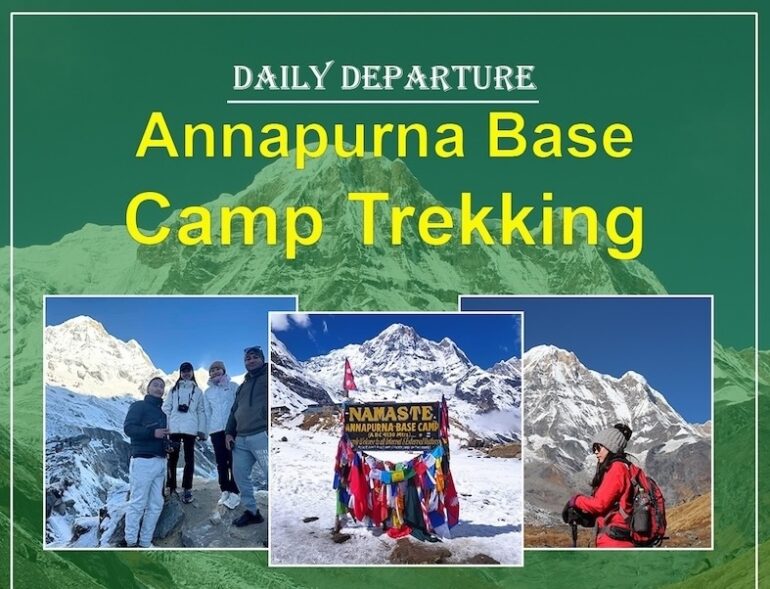
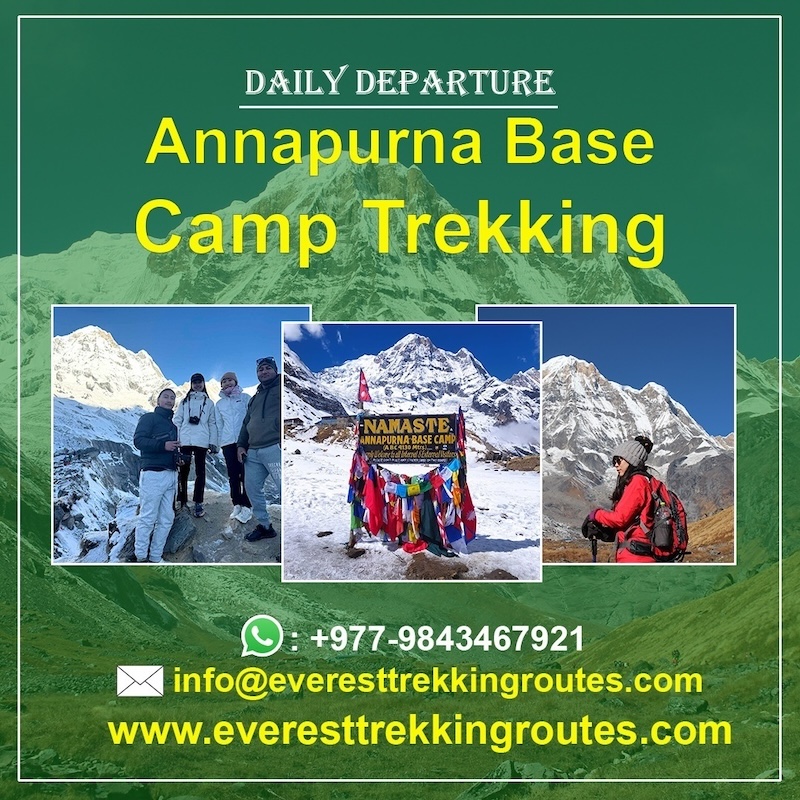 The trail starts in the lower foothills, climbing through terraced farmland, rhododendron forest and Gurung and Magar villages. For days, the big mountains play hide and seek. Then the valley tightens, and you step into the Annapurna Sanctuary, a high basin ringed by the Annapurna massif, with Machapuchare standing sharp and dramatic nearby. That sudden, enclosed feeling is exactly why people fall for the Annapurna Base Camp Trek.
Culture and practical notes
Teahouses are simple and friendly, and village life stays close to the trail the whole way. Base camp sits at roughly 4,100 metres, so pacing matters. Going up too fast is the classic mistake. If you want a big Himalayan payoff without a multi-week commitment, this is usually the sweet spot.
Manaslu Circuit Trek: Remote Valleys and Tibetan Culture
What makes this route different
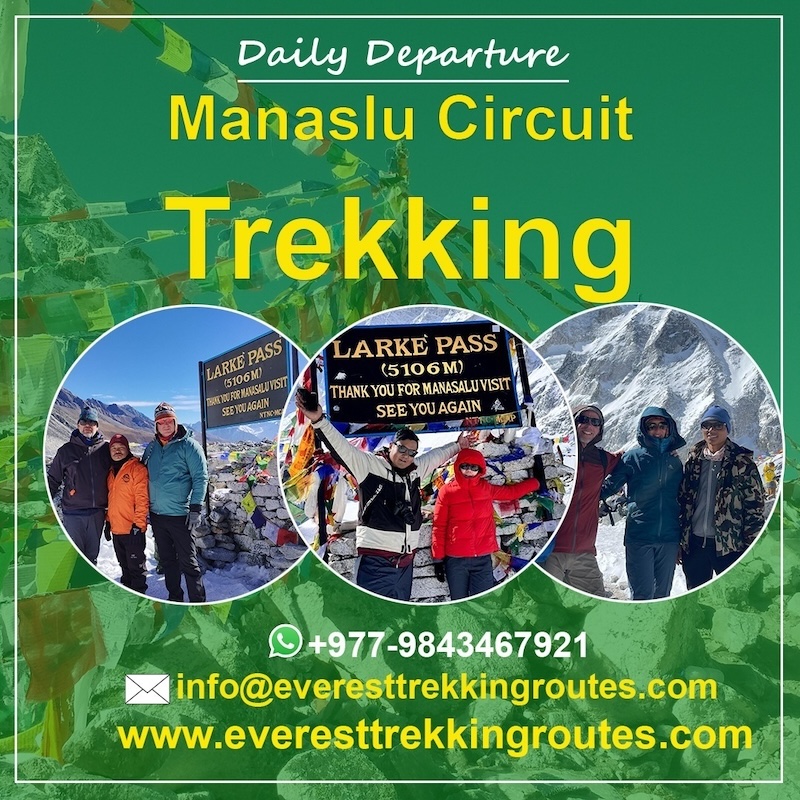
This trail loops around Manaslu, the eighth-highest mountain on Earth. It begins down in warm river valleys, slowly climbs into cold, open country, and finishes with the Larkya La, a pass at around 5,100 metres. Compared with the busiest trekking corridors in Nepal, it feels much quieter. Fewer lodges, longer empty stretches, more of that “far from everything” feeling.
Culture, villages and planning
 Higher up, the culture turns distinctly Tibetan. Think monasteries, long mani walls and prayer flags snapping in the wind. The Manaslu Circuit Trek runs through a restricted area, so special permits and an arranged guide are required. Sort that out before you arrive. And take acclimatization seriously, because the pass comes late, when you’re already high and tired.
Annapurna Circuit Trek: A Whole Country in One Walk
From river valleys to Thorong La
Few trails change as much. You move from river valleys and farmland into pine forest, then into dry, wind-scoured highland, and finally over Thorong La at roughly 5,400 metres before dropping toward the Mustang side. The southern slopes are green and wet. Beyond the mountains, the rain-shadow country looks almost like another planet. The pass is the big challenge, no question.
Culture and route character
Hindu and Buddhist influences overlap here, and you can watch villages, food and architecture shift as the altitude does. That’s what makes the Annapurna Circuit Trek feel more like travelling through several worlds than simply climbing a mountain. One caution: roads now reach parts of the route, so many trekkers adjust their itineraries to avoid dusty stretches. It’s worth checking current conditions before you plan.
Everest Three Pass Trek: High Passes for Experienced Trekkers
Kongma La, Cho La and Renjo La
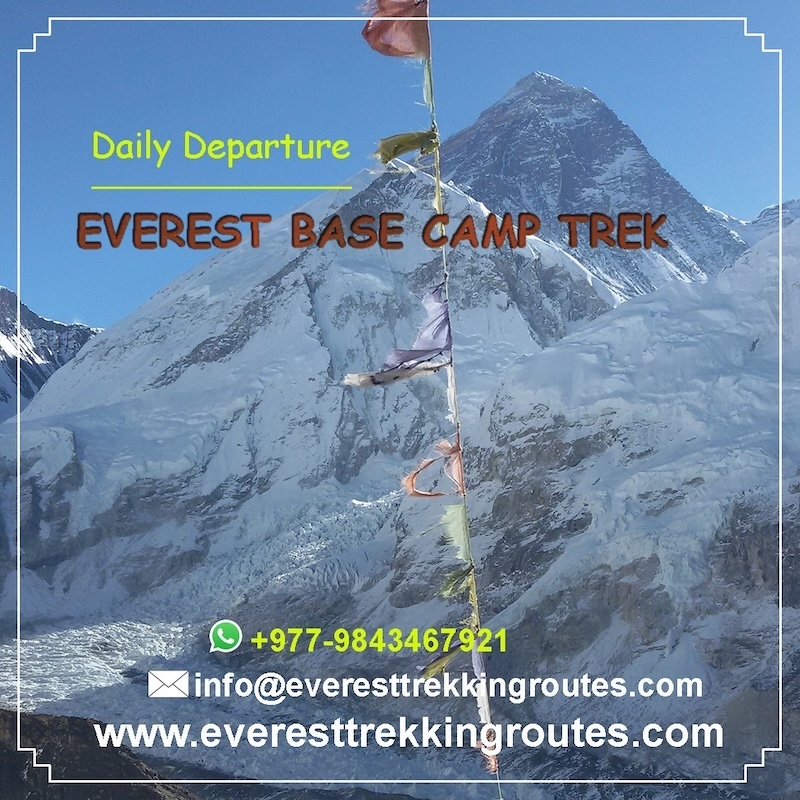 Three high passes, all above roughly 5,300 metres, link the main valleys of the Everest region into one loop: Kongma La, Cho La and Renjo La. Done together, they turn the Khumbu into a connected circuit instead of a single out-and-back trail, and you see far more of the region than most visitors do.
Everest landscapes, altitude and difficulty
You pass through Namche and other Khumbu settlements, with Sherpa culture woven through the whole journey, then move into glacial valleys and big mountain viewpoints. The Everest Three Pass Trek demands stronger acclimatization and tougher days than the other three routes. Snow, wind or poor trail conditions can delay a crossing, so build in spare days rather than hoping for perfect weather.
Routes, Culture and Mountain Landscapes: The Real Differences
Which route has the most cultural variety?
The Annapurna Circuit wins on sheer range, moving between Hindu and Buddhist worlds. Manaslu goes deeper into Tibetan-influenced life. The Everest region is shaped by Sherpa culture, while the Annapurna Sanctuary route is more about Gurung and Magar hospitality.
Which route has the strongest mountain scenery?
 Annapurna Base Camp offers the closest amphitheatre of peaks. Manaslu gives you remote wilderness. The Annapurna Circuit keeps the scenery changing day after day, and the three passes deliver high, wide Everest-region panoramas. Anyone weighing up different Everest trekking routes should look past the famous mountain name and think about altitude, length, cultural setting and the kind of landscape they actually want to walk through.
Best Time to Trek These Four Routes
Spring and autumn are the usual windows for all four, with steadier skies and clearer views. Even then, mountain weather can turn quickly. Monsoon rain and winter snow complicate things, especially on the passes, where snow can block the way. The Annapurna Circuit also has drier sections that behave differently from the wetter south. Treat any forecast as a guide, not a promise.
Permits, Guides and Practical Preparation
Every route needs trekking permits, and the details vary by region. Manaslu has the strictest restricted-area rules. Expect teahouse accommodation, carry cash because ATMs disappear in remote areas, and get travel insurance that covers high-altitude trekking. A few basics worth remembering:
- Broken-in boots and warm layers you can add or remove easily
- A few buffer days for weather on high-pass routes
- A quick check of current permit and guide rules before booking
Contact Details
Everest Trekking Routes Pvt. Ltd.
16 Khumbu, Nayabazaar, Kathmandu, Nepal
Mobile : +977-9843467921 (Rabin)


