
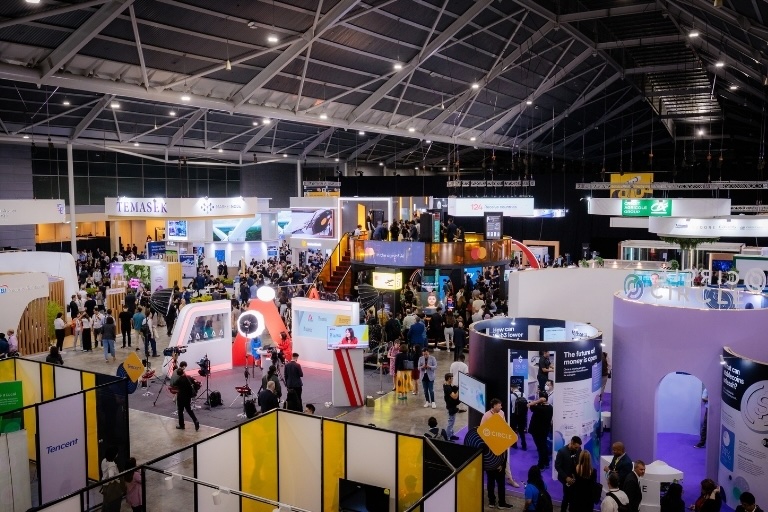
With its world-class infrastructure and global connectivity, Singapore stands out as a leading global destination for major events. The country’s event halls and venues provide endless possibilities for forging new partnerships, tapping fresh markets, or connecting with passionate individuals. Meanwhile, its accessibility, safety, and political stability make it an ideal point of convergence for industry leaders and MICE and entertainment event participants from all over the world.
Whether you’re planning a conference, a trade show, a concert, or a festival, holding your event in Singapore can contribute to a smoother and more impactful experience. However, choosing an event space in Singapore may not be as straightforward. With such a vast range of choices, it can become overwhelming to pick an event hall that meets all your requirements and expectations. Below, we’ll discuss several key considerations that can help you compare available venues and make a more informed choice to pick the right event hall for rent.
Suitability for the Event’s Purpose
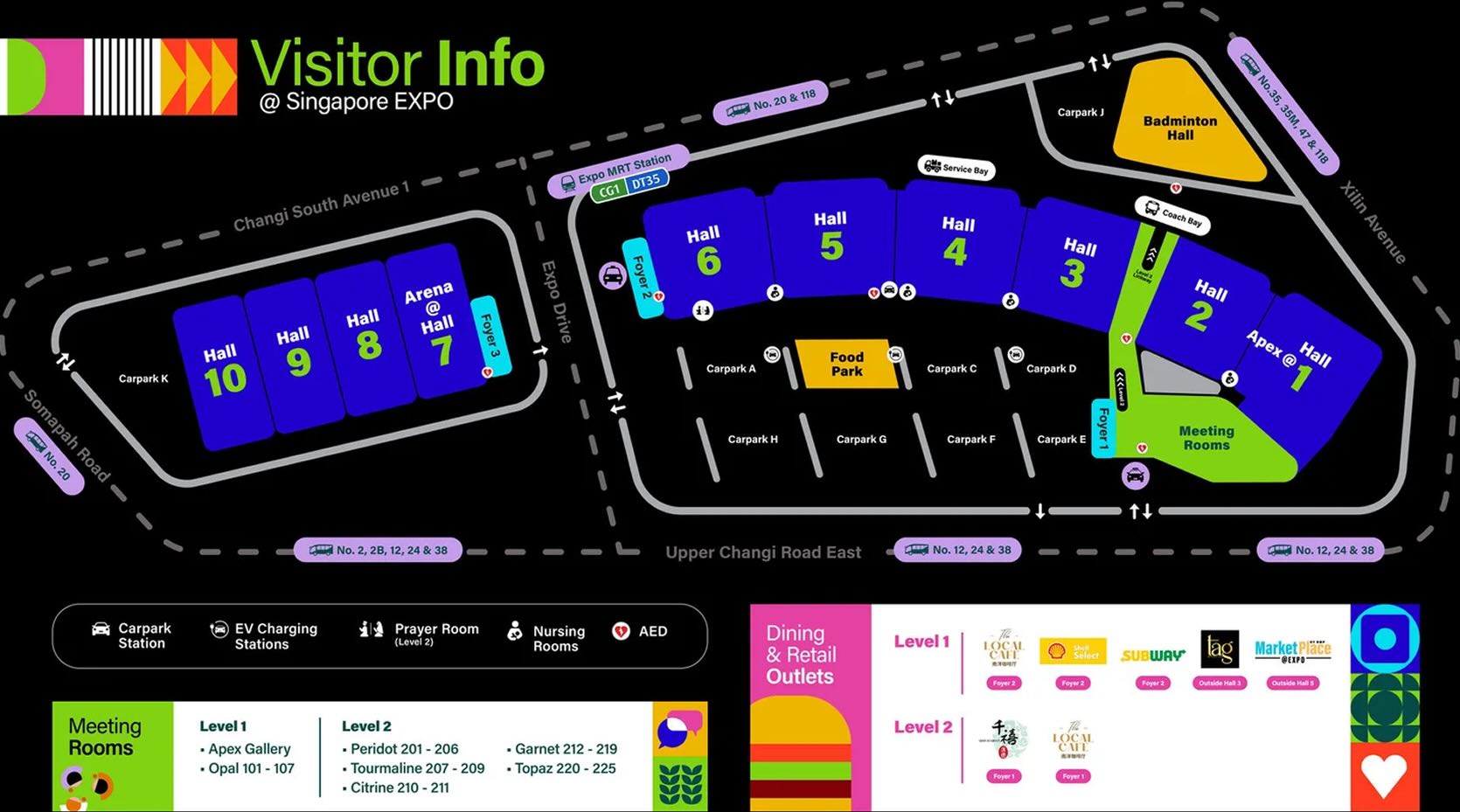 Your venue requirements depend heavily on the type of event you’re planning and its objectives. Before looking at different venues, establish what your event needs to accomplish. If you’re planning a business conference, a hall with breakout rooms and presentation equipment may be a good fit. If you’re looking for an exhibition venue, you may consider spaces that offer a large open floor and convenient access for booth construction. A concert venue may require a suitable stage area, acoustic features, and sufficient power for production equipment. Understanding your event’s purpose allows you to focus on halls that can support its essential activities.
It’s also helpful to ask whether the hall has previously accommodated events similar to yours. Refer to photographs and floor plans to help you visualise how your event might use the space. You can also request details about the configurations used for previous programmes. Choosing a hall that already suits your event format may reduce the need for extensive modifications and lower the risk of discovering operational limitations after you’ve confirmed the booking.
Location and Transport Access
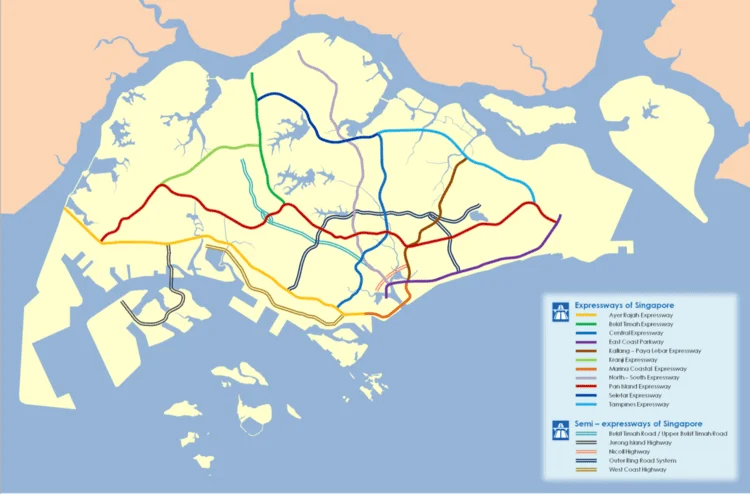 A venue’s location can influence guest turnout and experience. Look for an event hall that can be reached conveniently through Singapore’s public transport network. Proximity to an MRT station can make the journey easier for local guests and visitors who are unfamiliar with the city. Access to major roads may be valuable for attendees arriving by private vehicle or hired transportation.
Likewise, consider what guests will need before and after the event. Overseas participants may benefit from nearby accommodations. Choosing a venue located near restaurants and other useful establishments can also add convenience. If you’re expecting many attendees to arrive by car, confirm whether the venue provides sufficient parking. You should also inspect its drop-off arrangements to determine whether taxis and buses can unload passengers without creating congestion.
Capacity and Crowd Movement
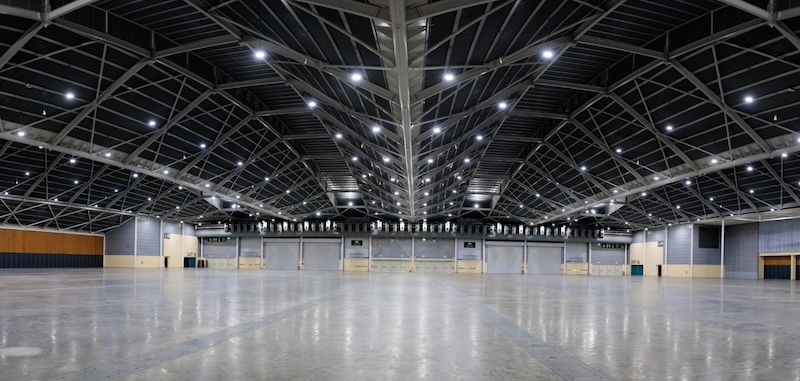 When evaluating your options, compare each hall’s stated capacity with a realistic estimate of your attendance. Be mindful that the maximum figure shown on a venue listing may change according to the chosen layout. A seated conference, for example, can require a different amount of floor space from a standing event. Request capacity figures based on your planned setup for a more reliable assessment.
Crowd movement is another important consideration. Examine how guests will travel from the entrances to the main activity area. Registration counters shouldn’t obstruct walkways or cause long lines near access points. There should also be enough space for people to move comfortably during breaks.
Layout and Configuration Flexibility
 The hall’s layout must support your preferred setup. Before selecting a venue, study its dimensions and the shape of the usable floor. Columns can obstruct sightlines or limit where you position a stage. Meanwhile, fixed structures may affect booth placement and seating arrangements. If an event includes several activities, determine whether the space can be divided into functional zones without complicating navigation.
Some event halls can also be combined with adjoining spaces or divided using temporary partitions. This flexibility can be useful if attendance changes or the programme includes sessions of different sizes. Confirm what alterations are allowed and check how much time the team needs to change a layout, especially if the venue must serve different purposes during the same event.
Technical Systems and Essential Facilities
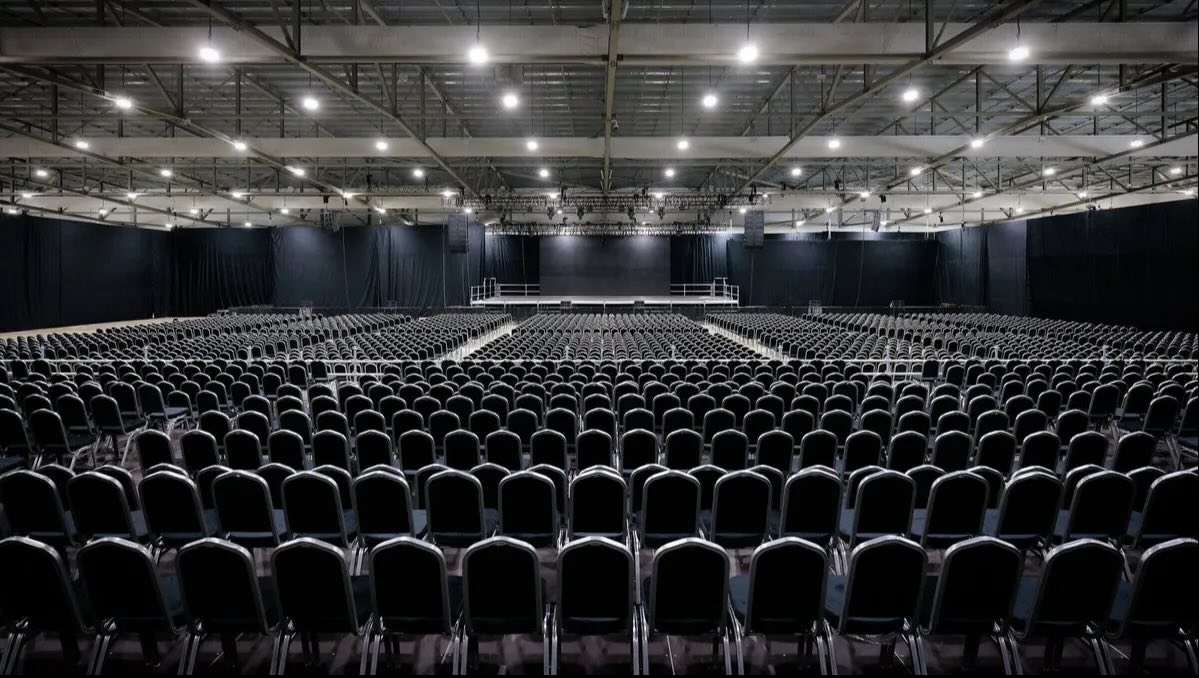 The hall’s technical capabilities should match the demands of your programme. Check whether it offers an appropriate sound system and reliable internet connectivity. If you plan to use video walls or specialised lighting, confirm whether the venue can support them. Additionally, determine the number and location of electrical outlets.
Request a clear inventory of the equipment included in the rental fee. This can help you identify what needs to be obtained from an outside supplier. Ask whether an on-site technical team will be available during setup and throughout the event. It’s also worth discussing backup arrangements for critical systems.
Accessibility and Attendee Comfort
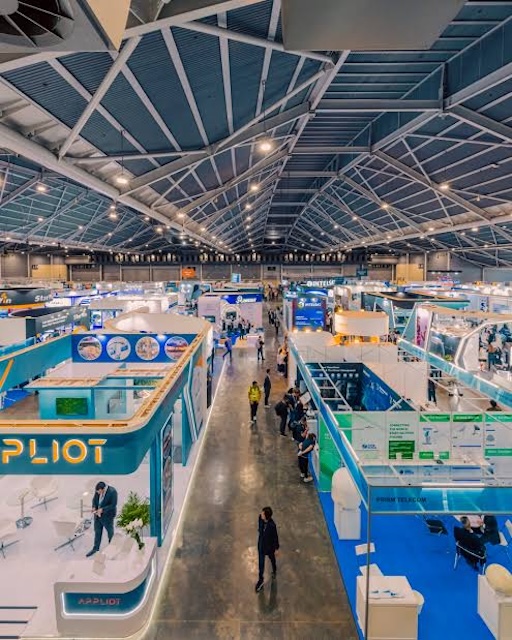 An appropriate event hall should be usable by people with different mobility needs. Confirm whether the building has step-free entrances and accessible toilets. Elevators may be essential if guests must travel between floors. Walkways should be wide enough for wheelchairs, while signs should help attendees find important areas easily. Reviewing these features during a site inspection can reveal accessibility barriers that may not be readily disclosed.
Comfort can also affect the guests’ overall experience. Assess the hall’s ventilation and temperature-control systems, particularly if a large crowd will occupy the space for several hours. Check whether the venue provides sufficient restrooms and seating, and check for nearby food options. These practical details can influence whether attendees remain comfortable and engaged.
There’s no doubt that Singapore provides a suitable environment for different types of events. While there’s no shortage of venues to choose from, the challenge is to select an event hall that supports your event’s objectives and meets its unique requirements. By setting clear criteria for location, capacity, flexibility, technical support, and accessibility, you can narrow your options and find an event hall that meets your event’s needs and contributes to a lasting impact.


