
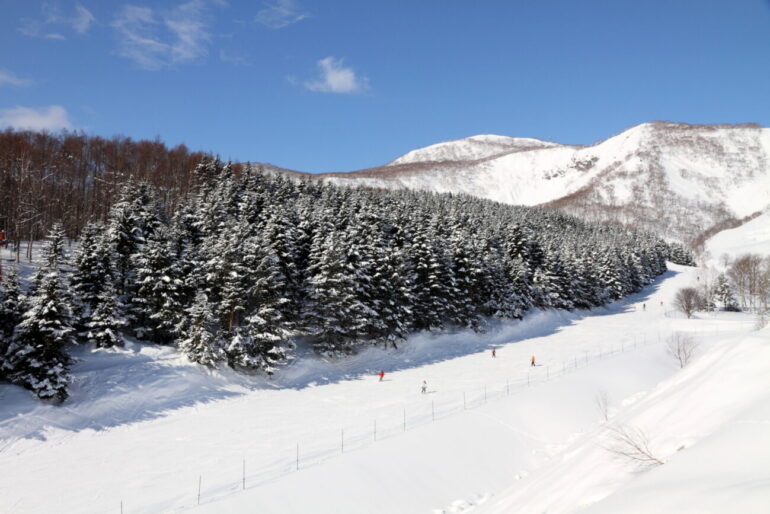
Asia’s ski resorts offer considerably more variety than their reputation for Japanese powder might suggest. Hokkaido is famous for its remarkable snowfall, the Japanese Alps have steep terrain and traditional mountain villages, and South Korea combines Olympic-standard facilities with convenient access from major cities. China’s expanding ski industry offers another alternative, while the Himalayas provide a more adventurous experience.
The 2026–2027 season brings additional opportunities to explore the region. The Ikon Pass has expanded its Asian network, adding destinations in Japan and China, including Madarao, Beidahu and Lake Songhua. Established resorts have also continued investing in lifts, accommodation and visitor facilities.
From internationally renowned destinations to less crowded mountains, these are some of the best ski resorts in Asia for the coming winter.
1. Niseko United, Japan – Hokkaido’s Famous Powder Destination
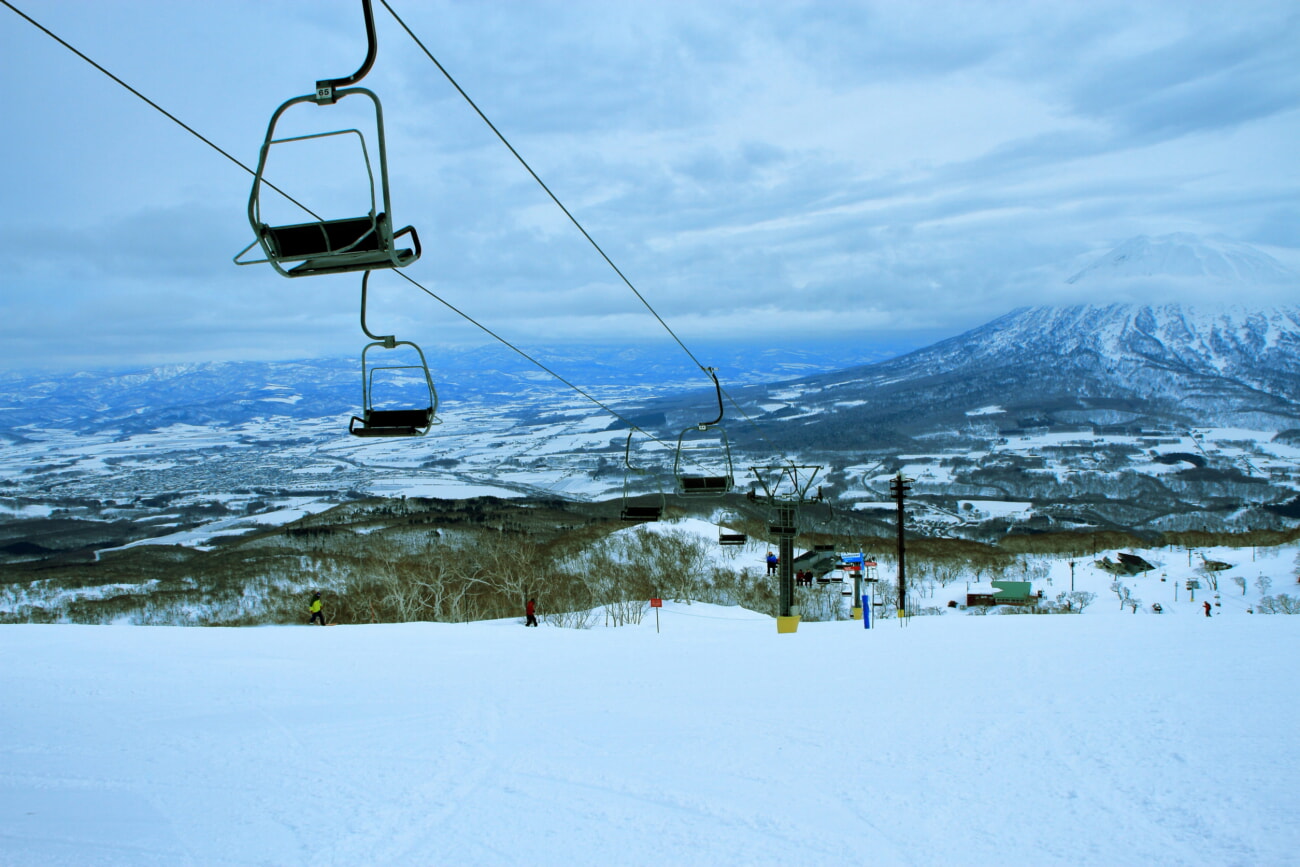
Scenery of people enjoying skiing in in in Hokkaido, Niseko Hirafu ski resort
Niseko is the undisputed international star of Japanese skiing. Located on Hokkaido, the resort receives enormous quantities of snow as cold Siberian air crosses the Sea of Japan. Its exceptionally light powder attracts skiers and snowboarders from around the world, particularly between December and February.
Niseko United comprises four interconnected ski areas: Grand Hirafu, Hanazono, Niseko Village and Annupuri. Together, they offer everything from gentle beginner slopes to demanding tree runs and extensive powder terrain. On clear days, the distinctive volcanic cone of Mount Yotei dominates the landscape.
The resort is equally impressive away from the slopes, with excellent restaurants, traditional hot springs and a wide selection of accommodation. Grand Hirafu has the liveliest atmosphere, while Hanazono is particularly appealing for contemporary luxury and ski-in, ski-out convenience.
Accommodation location makes a considerable difference when exploring all four areas. For a useful comparison of hotels in Niseko for the 2026–2027 season, Skipedia.org provides options ranging from traditional Japanese properties to modern mountain resorts.
2. Rusutsu Resort, Japan – Exceptional Tree Skiing
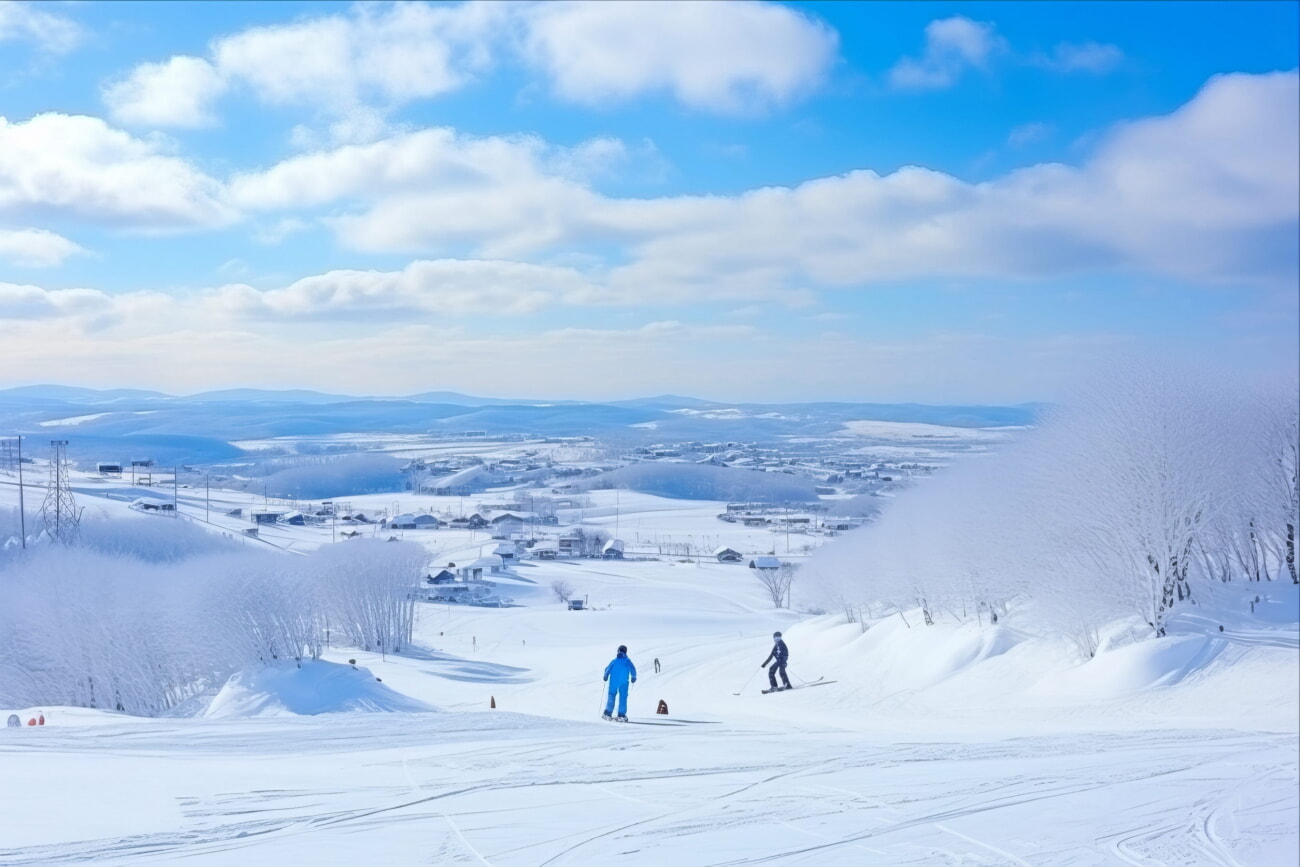
The Majestic Peaks and Thrilling Slopes of Rusutsu Ski Resort: A Winter Wonderland for Ski Enthusiasts in Hokkaido, Japan!
Approximately 90 minutes from Sapporo, Rusutsu offers much of Niseko’s celebrated snow quality with a different atmosphere. Its skiing spreads across three mountains, with 37 trails and extensive wooded terrain.
The resort is particularly attractive to intermediate and advanced skiers who enjoy exploring natural snow between the trees. Well-spaced woodland, rolling slopes and efficient lifts make it possible to cover considerable ground during a single day. Beginners also have access to dedicated learning areas and manageable groomed runs.
Rusutsu has a strong resort-holiday character, with large hotels, restaurants, family activities and direct access to the ski lifts. Its proximity to Niseko also makes combining the two destinations a practical option for a longer Hokkaido holiday.
3. Furano Ski Resort, Japan – Dry Powder and Mountain Scenery
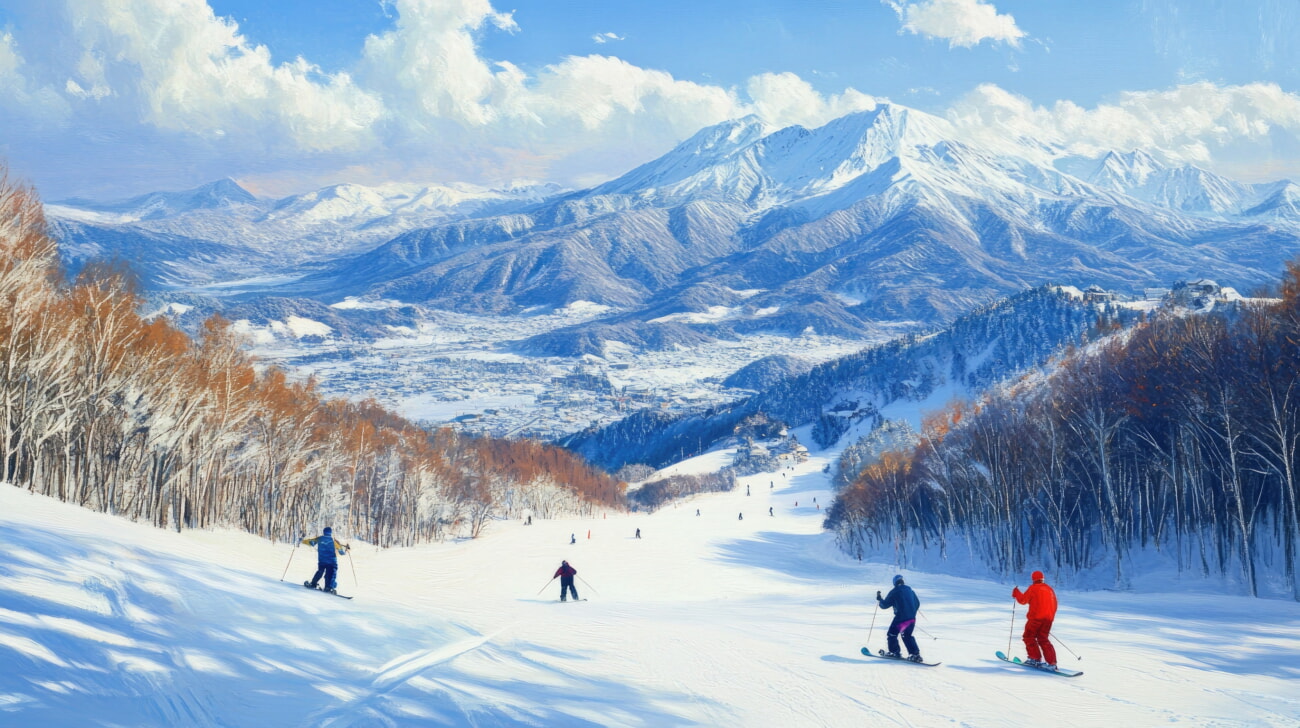
Snowboarders gaze at the breathtaking Tokachidake mountain range from the sunny slopes of Furano ski resort, surrounded by fresh powder and crisp winter air.
Situated in central Hokkaido, Furano has a colder, drier climate than many resorts closer to the coast. The result is remarkably light snow, locally known as bonchi powder, which has become the resort’s defining attraction.
The skiing is divided between the Furano and Kitanomine zones, with long groomed runs, challenging ungroomed sections and panoramic views across the surrounding mountains. The variety of terrain accommodates different abilities, although experienced skiers will particularly appreciate the steeper slopes and powder opportunities.
Unlike purpose-built mountain resorts, Furano also has a functioning Japanese town nearby. Independent restaurants, local food and a less international atmosphere give the destination a distinctive character.
Furano’s inclusion in the Ikon Pass network makes it an increasingly attractive addition to a multi-resort Hokkaido itinerary.
4. Hakuba Valley, Japan – Alpine Terrain and Olympic Heritage
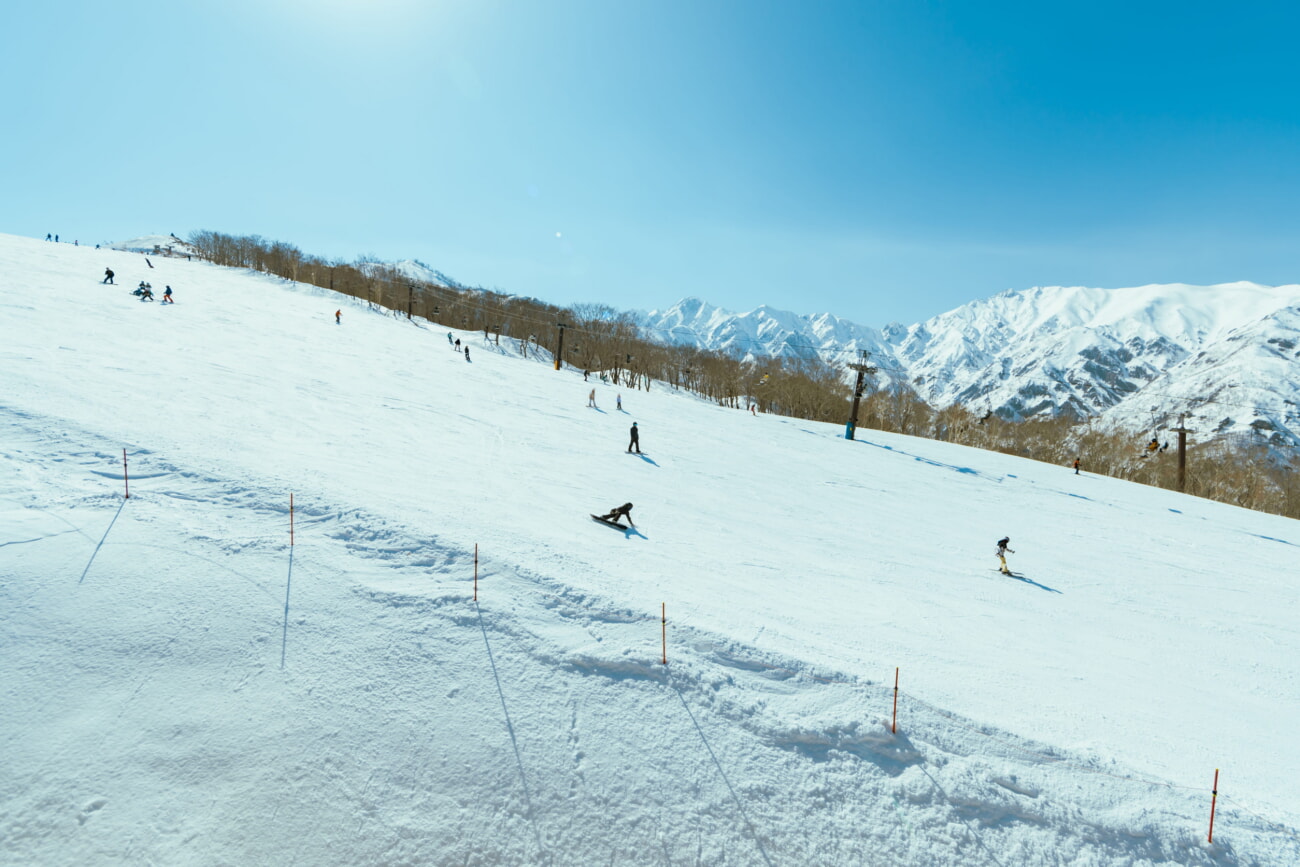
Ski resort, Hakuba Village, Nagano Prefecture, Japan
Hakuba Valley, in Nagano Prefecture, is one of the most geographically impressive ski destinations in Japan. The surrounding Japanese Alps rise dramatically above the valley, creating a mountain environment quite different from Hokkaido’s gentler volcanic landscapes.
The area comprises ten ski resorts, including Happo-One, Hakuba Goryu, Hakuba 47 and Tsugaike Mountain Resort. Happo-One, which hosted alpine skiing events during the 1998 Nagano Winter Olympics, is particularly well known for its steep terrain and long descents. Tsugaike provides a more relaxed alternative, with wide slopes suitable for beginners and families.
Hakuba’s considerable snowfall also attracts experienced freeriders. However, the exposed alpine terrain requires greater attention to changing weather and avalanche conditions.
Traditional villages, Japanese guesthouses and numerous hot springs add to the appeal. For travelers combining skiing with cultural sightseeing, the wider region is worth exploring through Asian Itinerary’s Japan travel coverage.
5. Shiga Kogen, Japan – An Extensive Network of Ski Areas
Shiga Kogen, also in Nagano Prefecture, is one of Japan’s largest interconnected ski destinations. Its numerous ski areas extend across a high mountain plateau, offering a broad selection of slopes accessible through a shared lift-pass system.
The area’s relatively high elevation contributes to reliable winter conditions and a season that can extend well into spring. Long intermediate runs, sheltered woodland sections and more demanding terrain provide enough variety for an extended skiing holiday.
Shiga Kogen is particularly suitable for visitors who prioritize time on the mountain over nightlife. Accommodation is distributed among several small resort villages, many of which have traditional Japanese hotels and hot spring facilities.
The nearby town of Yudanaka provides access to the famous Jigokudani Snow Monkey Park, where Japanese macaques gather around natural hot springs.
6. APPI Kogen, Japan – Groomed Slopes and Comfortable Mountain Hotels
APPI Kogen occupies the northern part of Japan’s main island, in Iwate Prefecture. The resort has developed a reputation for exceptionally well-maintained slopes, reliable snow conditions and high-quality accommodation.
Its wide pistes and long, uninterrupted descents are particularly enjoyable for intermediate skiers. Advanced visitors can explore ungroomed snow and designated tree-skiing areas when conditions permit.
APPI is also a convenient choice for families and mixed-ability groups. Ski schools, children’s facilities, equipment rental and restaurants are concentrated around the main resort complex, minimizing the need for additional transport.
Accommodation includes the ANA InterContinental Appi Kogen Resort and ANA Crowne Plaza, both offering convenient access to the mountain. The combination of spacious terrain and comfortable facilities makes APPI an appealing alternative to Japan’s busier international destinations.
7. Zao Onsen, Japan – Skiing Among the Snow Monsters
Zao Onsen, in Yamagata Prefecture, has one of the most unusual winter landscapes in Asia. During the coldest months, powerful winds deposit snow and ice on the mountain’s fir trees, gradually transforming them into extraordinary formations known as juhyo, or snow monsters.
The resort offers an extensive network of runs across several mountain sectors. Its famous long descent from the upper mountain provides an opportunity to ski through the frozen forest, although visibility and weather conditions can affect access to the highest slopes.
Zao is also a historic hot spring town, with traditional ryokan, public baths and narrow streets surrounded by mountain scenery. Its sulfur-rich thermal waters are a major attraction after skiing.
January and February generally provide the strongest combination of winter conditions and opportunities to see the snow monsters at their most impressive.
8. Mona Yongpyong, South Korea – Olympic Slopes and Modern Facilities
Located in Pyeongchang, Mona Yongpyong is one of South Korea’s most established winter sports destinations. It played an important role in the 2018 Winter Olympics and remains particularly popular for its organized facilities and extensive groomed terrain.
The resort has 28 ski slopes, ranging from beginner-friendly runs to demanding competition-standard courses. The Rainbow area is especially appealing to experienced skiers, while Rainbow Paradise offers a long, scenic descent from the upper mountain.
Yongpyong is particularly convenient for travelers who prefer well-developed infrastructure. Accommodation, restaurants, equipment rental and other leisure facilities are concentrated within the resort.
Its location in Gangwon Province, approximately three hours from Seoul by road, also makes it possible to combine a mountain holiday with time in the South Korean capital.
9. Phoenix Snow Park, South Korea – A Destination for Freestyle Skiing
Phoenix Snow Park is another prominent resort in Pyeongchang, particularly recognized for its freestyle skiing and snowboarding facilities. It hosted halfpipe and slopestyle competitions during the 2018 Winter Olympics.
The resort offers a mixture of groomed pistes, steeper sections and freestyle terrain. Its organized layout and modern lift infrastructure suit visitors looking for an accessible mountain experience rather than remote alpine exploration.
Phoenix was named South Korea’s best ski resort in the 2025 Ski Asia Awards, reflecting recognition from public voting and industry feedback.
Accommodation is available directly within the resort, alongside restaurants and entertainment facilities. Its relatively compact layout makes Phoenix particularly practical for shorter skiing trips and groups with different interests.
10. Yunding Snow Park, China – Skiing at an Olympic Venue
Yunding Snow Park, also known as Genting Snow Park, is located in Chongli, one of China’s most important winter sports regions. Its international profile increased considerably after hosting freestyle skiing and snowboarding events at the Beijing 2022 Winter Olympics.
The resort combines modern lift infrastructure with groomed recreational slopes and specialized competition facilities. It appeals to confident skiers and snowboarders interested in experiencing an Olympic venue, while providing accessible terrain for less experienced visitors.
Chongli’s main advantage is its connection to Beijing through China’s high-speed railway network. This makes the surrounding ski resorts relatively easy to incorporate into a broader visit to northern China.
Unlike Japan’s exceptionally snowy mountain regions, Chongli relies substantially on snowmaking to maintain consistent skiing conditions throughout the winter.
11. Beidahu Ski Resort, China – Expanding Terrain in Northeast China
Beidahu, in China’s Jilin Province, is attracting increasing international attention as the country’s winter sports infrastructure continues to develop. The resort has extensive skiing terrain, modern lifts and a growing selection of mountain accommodation.
Its slopes accommodate beginners and experienced skiers alike, with wide learning areas, long intermediate runs and more demanding upper-mountain terrain. The surrounding forested mountains create an attractive setting, particularly after fresh snowfall.
Beidahu has hosted major national and international winter sports competitions and is among the venues planned for the 2027 Winter World University Games.
The resort joins the Ikon Pass network for the 2026–2027 season, alongside nearby Lake Songhua. The addition makes Northeast China an increasingly interesting option for international skiers interested in destinations beyond Japan and South Korea.
12. Gulmarg, India – High-Altitude Skiing in the Himalayas
Gulmarg offers a completely different experience from the highly developed resorts of East Asia. Located in Kashmir, the destination is surrounded by the dramatic mountains of the Pir Panjal Range and is particularly famous for its high-altitude terrain.
The Gulmarg Gondola climbs toward Mount Apharwat, reaching approximately 3,950 meters. When snow and weather conditions permit, the upper mountain provides access to substantial vertical descents, open slopes and challenging powder terrain.
Gulmarg is especially attractive to experienced skiers interested in freeriding. Much of its celebrated terrain is not maintained or avalanche-controlled to the standards of conventional European or Japanese resorts, making qualified local guiding and appropriate avalanche precautions essential.
January through March generally offers the main skiing window, although snowfall varies considerably between seasons. Gondola operations are weather-dependent, and access to the upper mountain can be interrupted by storms or maintenance.


