
International travel remains a major part of life in Singapore. According to Changi Airport Group, Changi Airport recorded 69.98 million passenger movements in 2025. Yet even carefully planned trips can be disrupted by illness, flight delays, or an unexpected need to cancel. Travel insurance may help with eligible overseas medical expenses, travel delay insurance benefits, and trip cancellation cover, subject to policy terms, limits, and exclusions.
DBS Singapore’s TravellerShield Plus offers protection against medical emergencies, delays, cancellations, and other covered events. Understanding when cover applies, what evidence is required, and which exclusions may affect a claim can help travellers assess protection more clearly.
Quick Summary
 Travel insurance may provide financial protection when a covered event affects a journey, subject to policy terms, limits, and exclusions.
- Medical emergencies: It may cover eligible overseas medical expenses, evacuation, or repatriation.
- Delays: Travel delay insurance may pay a fixed benefit or reimburse eligible costs after a qualifying delay.
- Cancellations: Trip cancellation cover may reimburse non-refundable expenses when cancellation results from an insured reason.
DBS offers TravellerShield Plus that includes benefits for overseas medical expenses, travel delays, and journey cancellation across different plan tiers. Travellers should review the latest policy wording before buying.
What Is Travel Insurance and What Does It Cover?
Travel insurance is a type of general insurance that may reimburse eligible losses when specified events affect a trip. Coverage can apply before departure, during travel and, in limited cases, after returning home.
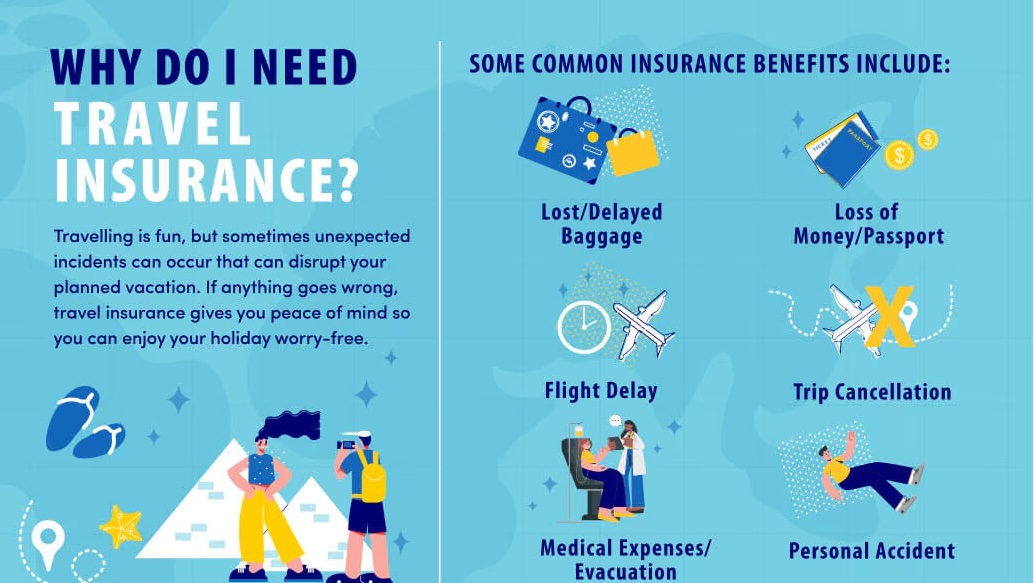
Policies may cover a single trip or multiple journeys under an annual plan. Common benefits include overseas medical expenses, emergency evacuation, baggage loss, travel delays and trip cancellation. Coverage varies by insurer, plan, traveller profile and destination.
MoneySense, Singapore’s national financial education programme, advises travellers to review benefit limits, exclusions, excesses and claim requirements before buying.
The table below summarises how travel insurance may respond to three common travel disruptions.
| Travel disruption | Travel insurance may help with | Important conditions to check | Usually required evidence |
| Overseas medical emergency | Eligible treatment, hospitalisation, medical evacuation, or repatriation | Medical benefit limits, pre-existing condition rules, excluded activities, and approval requirements | Medical reports, invoices, receipts, and assistance records |
| Significant flight delay | Fixed delay benefits or reimbursement of eligible additional expenses | Minimum delay period, covered causes, benefit limits, and eligible costs | Airline confirmation, revised itinerary, and expense receipts |
| Trip cancellation | Eligible non-refundable transport, accommodation, or tour costs | Covered cancellation reasons, policy start date, known-event exclusions, and available refunds | Medical certificates, booking records, cancellation notices, and refund statements |
Why Travel Insurance Matters for Overseas Trips

transport disruption
Unexpected illness, transport disruption, or a cancelled booking can create costs that were not included in a traveller’s original budget. Travel insurance may reduce this financial exposure when the policy conditions are met.
Singapore’s Ministry of Foreign Affairs advises travellers to “buy travel insurance that fulfils your needs and be familiar with the policy’s terms, coverage and exclusions.” Suitable cover should therefore reflect the traveller’s destination, health, itinerary, and planned activities, rather than only the premium or headline benefit limits.
How Travel Insurance Coverage and Claims Work
Select Cover Before the Trip
Before departure, travellers choose single-trip or annual travel insurance, geographic cover, insured persons, policy tier, and travel dates. As MoneySense states, “you need to understand your policy documents to know what you’re buying.” Travellers should therefore review benefit limits, exclusions, excesses, and optional cover against their destination, health needs, and planned activities.
Understand What Counts as a Covered Event
A claim may arise when an insured event, such as an overseas medical emergency, qualifying delay, or covered cancellation, meets the policy definition. Eligibility for overseas medical expenses, travel delay insurance, or trip cancellation cover can depend on the cause, timing, duration, and whether the event was known before purchase.
Seek Help or Submit a Claim
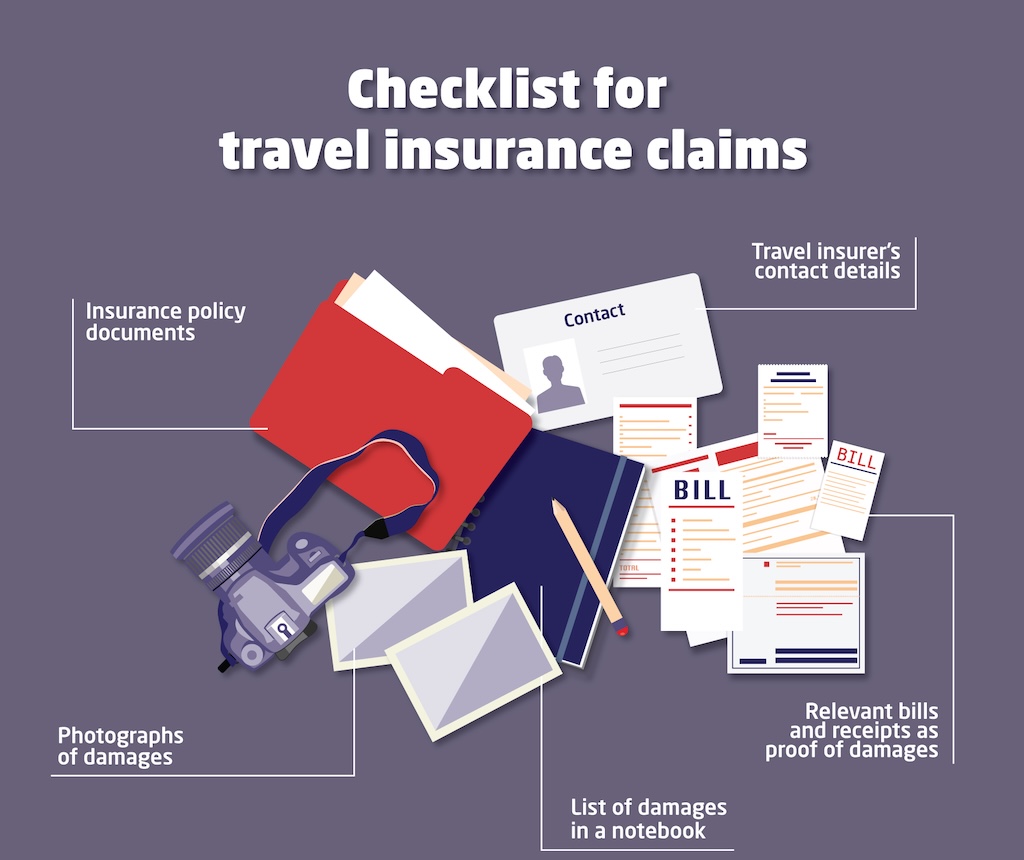
Travellers may contact emergency assistance during the trip or submit a claim afterwards. Supporting documents can include receipts, medical reports, booking records, and airline confirmation. DBS directs TravellerShield Plus customers to Chubb’s MyAccount portal for online claims. Approved benefits depend on policy terms, limits, exclusions, and evidence.
What Does Travel Insurance Cover? Three Common Examples
Medical Emergency During an Overseas Trip
A traveller who becomes ill or is injured abroad may face hospital fees, specialist treatment, or emergency transport. Travel insurance may cover eligible overseas medical expenses, medical evacuation, or repatriation, depending on the plan.
- Possible protection: Treatment costs, hospitalisation, evacuation, and repatriation.
- What to check: Medical limits, pre-existing condition rules, excluded activities, and whether prior approval is required.
TravellerShield Plus by DBS offers overseas medical benefits across its Basic, Standard, and Platinum tiers. Pre-existing condition cover requires an optional add-on and remains subject to exclusions.
A Flight Is Significantly Delayed
 A long flight delay may lead to unplanned spending on meals, transport, or accommodation. Travel delay insurance may provide a fixed benefit or reimburse eligible additional costs once the delay meets the policy threshold.
- Possible protection: Delay benefits and specified additional expenses.
- What to check: Minimum delay duration, eligible causes, benefit limits, and airline confirmation requirements.
TravellerShield Plus currently provides delay benefits from three hours under its Standard and Platinum tiers, while its Basic tier starts from five hours.
A Trip Must Be Cancelled Before Departure
Trip cancellation cover may help when a traveller must cancel prepaid arrangements because of an insured event, such as a serious illness covered by the policy.
- Possible protection: Eligible, non-refundable transport, accommodation, or tour costs.
- What to check: Covered reasons, purchase timing, known-event exclusions, refunds available elsewhere, and required evidence.
The reason for cancellation must meet the policy definition. Travellers should check the latest policy wording for the applicable conditions, exclusions, and claim limits.
Frequently Asked Questions
Is Travel Insurance Compulsory?
Whether travel insurance is compulsory depends on the destination, visa, activity, or operator. Singapore’s Ministry of Foreign Affairs advises travellers to verify current entry requirements before departure.
When Should Travel Insurance Be Purchased?
Purchase cover after confirming major bookings and before departure, then check when benefits begin. Under the April 2026 TravellerShield Plus policy, trip cancellation cover starts upon policy issuance or 30 days before departure, whichever is later.
Does Travel Insurance Cover Pre-Existing Conditions?
Not automatically. For DBS, its TravellerShield Plus solution requires its optional Pre-Existing Medical Condition Benefit for eligible related claims.
What Documents Are Needed for a Claim?
Evidence varies by claim type. Chubb advises customers to upload relevant supporting documents to reduce follow-up requests.
Is Single-Trip or Annual Travel Insurance Better?
Single-trip cover applies to one journey, while annual travel insurance covers multiple eligible trips within 12 months. According to DBS, the choice should reflect travel frequency, destinations, budget, and coverage needs.
Evaluate Your Travel Protection Before Your Trip
The right travel insurance should reflect your destination, health needs, planned activities, and exposure to medical emergencies, delays, or cancellations. Compare benefit limits, exclusions, excesses, and claim requirements before choosing a policy. Explore DBS Singapore’s TravellerShield Plus to assess which travel protection options best match your next journey.


