
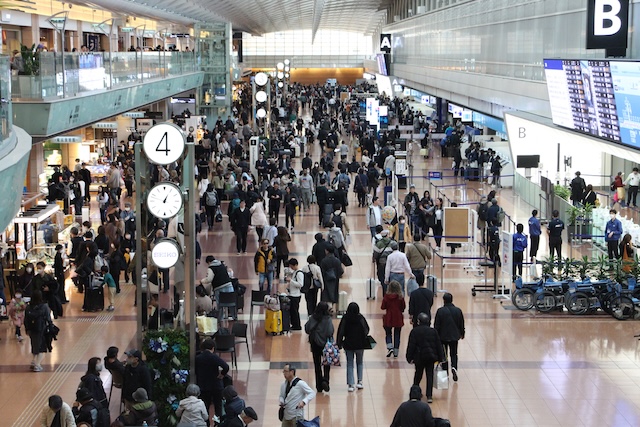
Planning a trip to Japan soon? If so, you’ll want to stay informed about upcoming changes to the country’s travel taxes. Starting in July 2026, Japan is set to triple its departure tax, affecting all travelers leaving the country. This adjustment aims to manage over-tourism and fund infrastructure improvements at popular destinations.
What Is the Departure Tax?
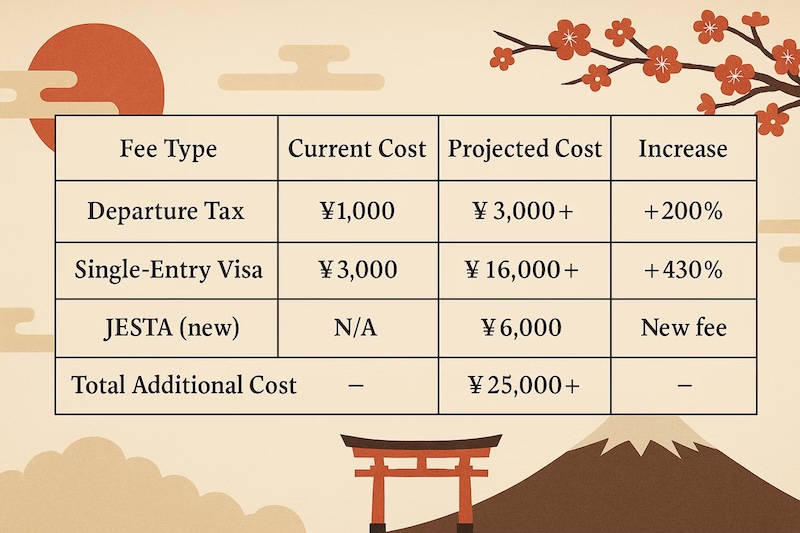 Since January 7, 2019, Japan has levied an International Tourist Tax, also called the departure tax, on all travelers aged two and above. This fee is automatically integrated into airline and ferry tickets when departing by air or sea. Currently, the fee is JPY 1,000 (about USD 7.50), but that will change soon.
From July 2026, the new rate will be JPY 3,000 (around USD 22.50). Exemptions include airline crew members and transit passengers departing within 24 hours. This applies to all nationalities, meaning Japanese citizens will also experience increased travel expenses.
Why Is Japan Increasing the Departure Tax?
In the fiscal year ending March 2025, Japan collected a record JPY 52.48 billion (approximately USD 395 million) from the departure tax. The revenue is primarily used to address overcrowding at major tourist spots, upgrade infrastructure, and promote sustainable tourism.
The government expects that raising the departure tax will boost tourism-related revenue to nearly JPY 130 billion (about USD 975 million) in the 2026 fiscal year, helping fund ongoing preservation efforts.
What About Future Travel Costs?
In addition to tripling the departure tax, Japan plans to introduce the Japan Electronic System for Travel Authorization (JESTA) by 2028. This pre-screening system will primarily target travelers from visa-free countries, with fees estimated between JPY 2,000 and JPY 3,000 (roughly USD 15–USD 22.50). When combined with the departure tax, total travel costs could reach approximately JPY 5,000–6,000 (USD 37.50–USD 45) per traveler.
For travelers requiring visas—such as visitors from China or parts of Southeast Asia—visa fees might increase up to five times current rates. However, short-term visa-exempt visitors will not be affected by visa fee hikes.
How Will Airlines Respond?
 Major Japanese carriers like Japan Airlines, All Nippon Airways, and international airlines such as Korean Air are likely to adjust ticket prices to cover these increased fees. While no official fare increases have been announced, travelers should anticipate slight adjustments on routes affected by these new charges.
Tips for Travelers Heading to Japan
- Book early: Lock in better fares by booking flights and accommodations ahead of time.
- Check visa requirements: Stay updated on potential visa fee increases, especially if you need a visa.
- Budget for extra costs: Include the new departure tax and upcoming JESTA fees in your travel budget.
- Travel during shoulder seasons: Visiting in off-peak times can help you avoid crowds and save money.
Final Thoughts
While the upcoming rise in Japan’s departure tax might seem like an extra expense, it’s part of the country’s strategy to safeguard its cultural and natural treasures. Planning ahead ensures that your trip remains enjoyable despite these changes.
For more travel tips and updates on Japan, visit Japan National Tourism Organization. With careful planning, your Japanese adventure will be memorable and rewarding.


