
Hong Kong is not just one city but is split into two main parts: Hong Kong Island and Kowloon. Whenever traveling, one is often asked to choose between the two sides of Hong Kong to get better attractions, a question that is open to endless debate among travelers who plan their itinerary. The truth is, both sides are great and have unique things to see. Your choice should be based on what you want to experience.
Hong Kong Island: The Shining Modern Face.
Hong Kong Island represents the city’s modern character, with glass views through the clouds and rich shopping districts bustling with energy. The Hong Kong attractions on the island side include notable landmarks as well as world-class attractions.
- The Peak Experience
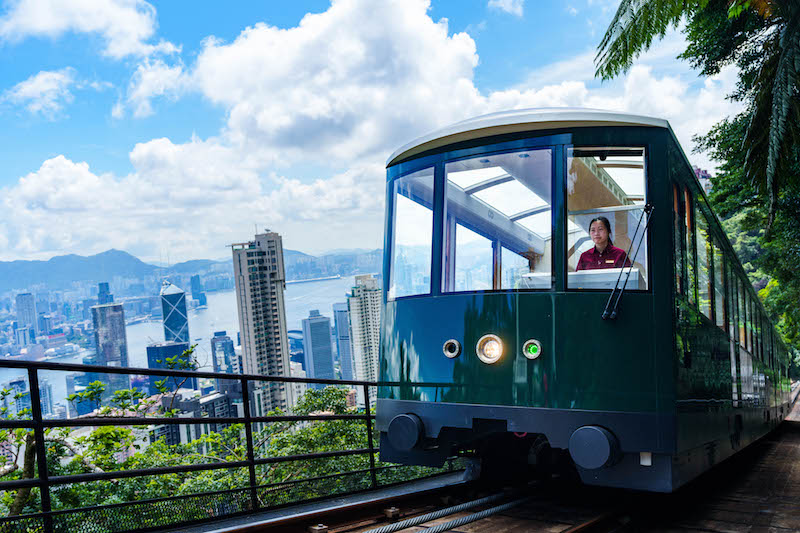
The Peak Tram
The most valuable landmark on the island is Victoria Peak, which is 552 meters above sea level. It has seven million tourists annually, and it is thus ranked among the most visited places in Hong Kong.
Since 1888, the Peak Tram has been in operation and can ferry people to the top, where they are offered a spectacular panorama of the harbor and Kowloon on the other side.
- Urban Sophistication
The financial strength of Hong Kong is presented through the Central District, with its amazing architectural image and entertainment centers:
- Famous Architecture: The skyline is made up of the HSBC Building by Norman Foster and the eye-catching Bank of China Tower.
- Nightlife Districts: SoHo and the Lan Kwai Fong area have many bars and restaurants within a small space.
- Shopping Paradise: The Central and Times Square streets are bordered with luxury boutiques.
- Natural Escapes
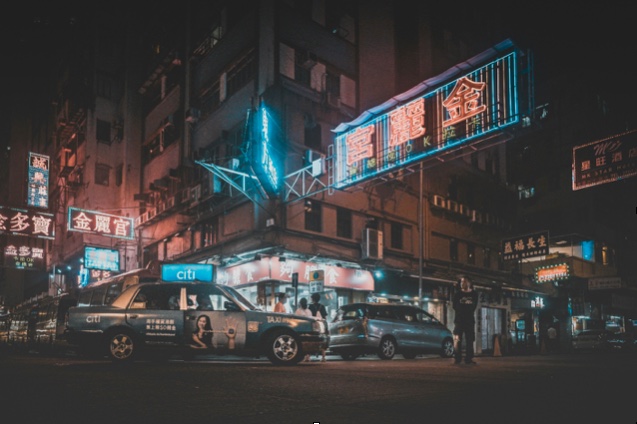
Photo by ZHENYU LUO on Unsplash
Hong Kong Island provides sudden tropical escapes to lovers of beaches. Repulse Bay and Shek O are sandy escape areas in the urban jungle, and hiking trails offer scenic escapades along the south coast.
Kowloon: The Cultural Heart
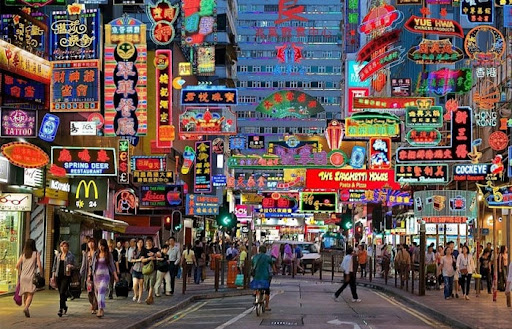
Hong Kong Island vs. Kowloon travel tips
Kowloon throbs with the real homegrown local energy and culture all over the harbor. It is a peninsula that has a rich experience of the traditional Hong Kong life and has some of the most vibrant Hong Kong attractions in the city.
- Tsim Sha Tsui: Central for Tourists.
Tsim Sha Tsui is the epicenter of Kowloon, centered on culture and entertainment:
- Avenue of Stars: Worships the movie stars of Hong Kong with ideal skyline shots.
- World-Class Museums: The Hong Kong Museum of History and Space Museum are the cultural sites offering knowledge.
- Waterfront Promenade: This is the ideal place to view the harbor and the nightly Symphony of Lights.
- Market Magic
The Temple Street Night Market is the colorful street culture of Kowloon, with multiple booths where Hong Kong attractions and daily life come together. In this case, locals and tourists bargain for anything, including electronics or street food.
Closest to it is the Jade Market in Yau Ma Tei, which has hundreds of stalls of jade and precious stones.
- Unrealized Spiritual and Cultural Landmarks.
The spiritual aspect of Kowloon is reflected through the spiritual Wong Tai Sin Temple, where one can learn about the fortune-telling traditions and the magnificent architecture that is easily found on Hong Kong Island.
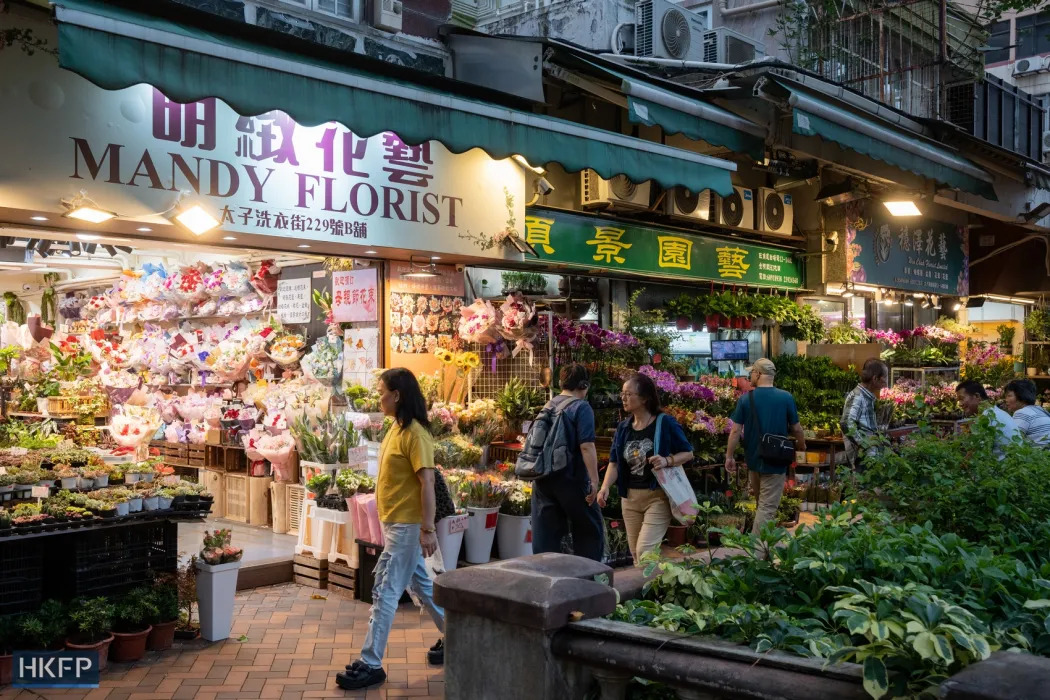
Flower Market Road
The highest population density in the world is recorded by the district of Mong Kok. This anarchic order brings about a true Hong Kong experience in terms of specialized markets:
- Fashion and accessories ladies’ market.
- Flower Market Road botanical loveliness.
- Goldfish Market of aquarium curiosities.
- Bird Garden to have a culture of traditional pets.
- Accessibility and Transportation: Getting Around.
The Hong Kong MTR is an efficient system, and as of 2024, the system carries an average of about 5.18 million passengers daily. In 2023, there were about 4.6 million passenger journeys per day by the metro.
The most iconic mode of transport that moves an average of 70,000 people in a day, or 26 million in a year, is the iconic Star Ferry. It is the most atmospheric form of transport that costs a few Hong Kong dollars to make the crossing across the harbor.
The Conclusion: Have It Both Ways.
Hong Kong welcomed nearly 45 million visitors in 2024, increasing by 31 percent compared to 2023, and the figures continue to increase gradually to previous levels before the pandemic.
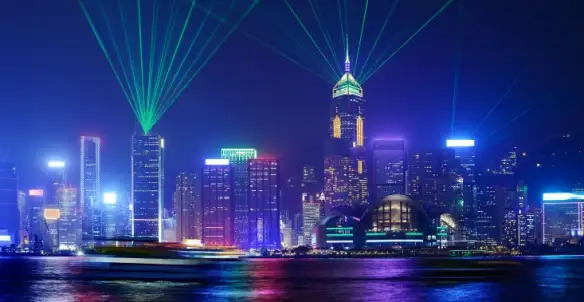
The Symphony of Lights project
The fact of the matter is that the most popular attractions of Hong Kong cut across the borders. The Symphony of Lights is a project that encompasses more than 40 buildings, which can be best viewed from the waterfront of Kowloon, illuminating the skyline of Hong Kong Island night after night.
First-time visitors must have an experience with both sides. Spend afternoons on top of Victoria Peak, spend mornings in the markets and temples of Kowloon, and spend evenings on the harbor, whichever shore has the better view of it on a particular day.
Island or Kowloon, polished sophistication or gritty realness—it all depends on the contrast between the two extremes of one amazing city that is Hong Kong. Hong Kong attractions do not work wonders within the side selection, but the wonders of an amazingly diverse compact space.


