
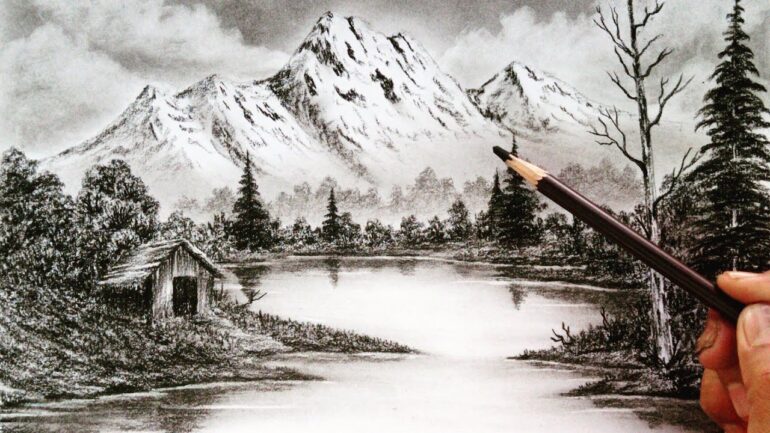
In a world where digital displays and short moments are becoming more normal, take time to sit, inspect and create, which can feel like a radical function of self-care. You detect a peaceful place to sit and make. This is the one that is about the “art in the canopy”: drawing and writing among the stunning ancient forest monuments. This is an invitation to connect with nature at a very intimate and reflective level, transforming passive observation into active interpretation. This essay will help you catch the essence in the throat of the sanctuaries like Muir woods, which will improve your artistic skills and deepen your relations to nature.
What artists love about old forests?
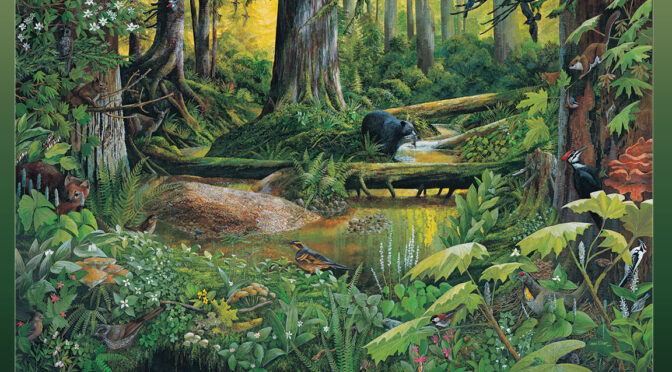
Artists love old forest woods
Artists and creative people are drawn to ancient forests like no other place because they have so many textures, lights, and historical connections. The twisted bark of trees that are hundreds of years old conveys stories of strength and time, and the way light and shadow bounce off of the thick canopy makes patterns that change all the time. These places are peaceful, which helps people focus and think beyond the box. The size and long-lasting presence of old trees may make you feel little and big at the same time, inspiring the artist to capture their peaceful beauty on paper. In these places, the artistic process becomes linked to a genuine love for the beauty of nature that lasts.
Important Tools for Your Artistic Journey
To go on an artistic trip into the woods, you want just a few, well-selected objects, things which are portable and useful. You’ll need a light notebook and paper that works with different kinds of art materials, as well as some different pencils, pens or a watercolour sets. If you plan on doing most of your sitting in the wild, on uneven terrain, consider packing a little fold-up stool or mat to protect your bum. You’ll also want to have a very small bottle of water, as well. And ideally carry a little pouch or bag to keep your things organised and out of the weather. The key is to keep your gear small so you can be nimble and concentrate less on humping gear and more on creating.
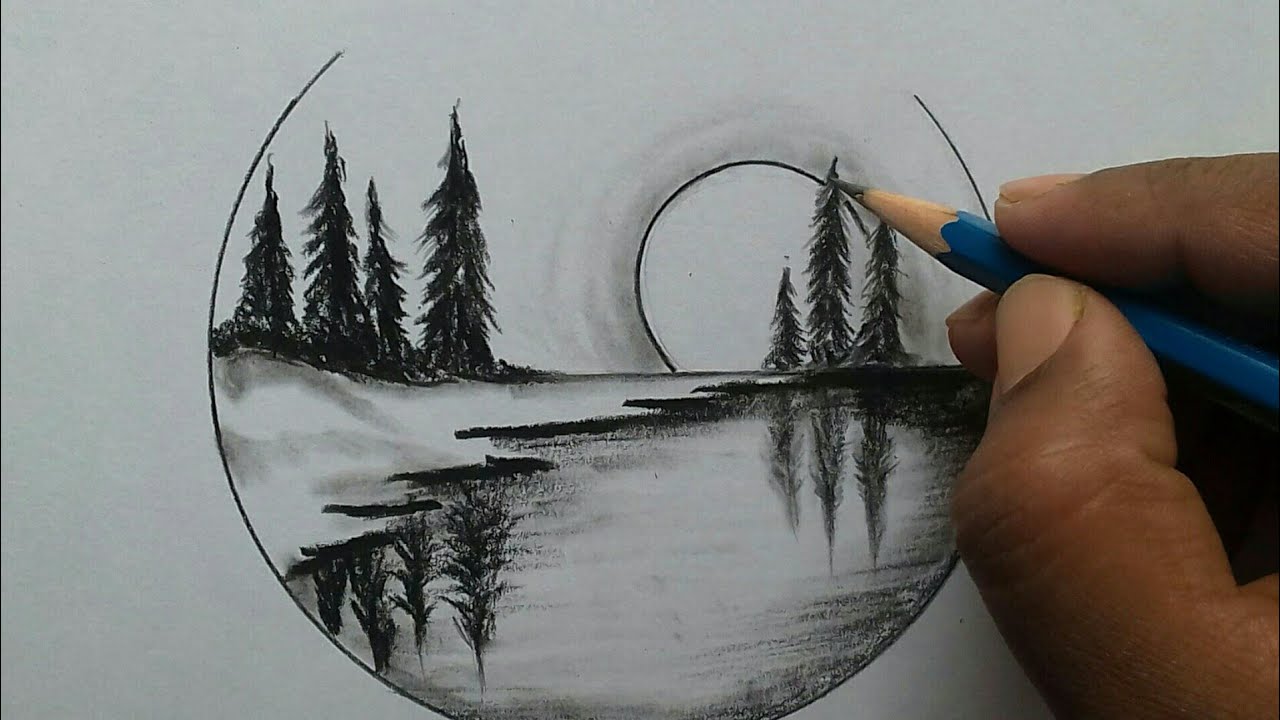
Making trees come to life
How to Draw Nature: Making Trees Come to Life
It is not enough, she says, to draw the shapes of the old trees and what’s around them; the artist also has to reveal the personality and life force of each. To start, draw in the original shape and overall flow of this tree using some quick, loose lines. Think about where the light comes out and casting, and how it causes highlights and shade that gives your drawing form and dimension.
The Forest’s Dynamic Dance: Getting Light and Shadow
Light and shadow are probably the most variable parts of a forest. Especially note how sunlight comes through the canopy and makes patterns on the ground, or how deep shade makes the shape of tree tights. These differences give more life and feeling to your picture. Try with several ways of shading, such cross-hatching, stippling, or smooth blending, to get these complicated light effects. Understanding how light affects the forest will greatly improve the quality of your artistic interpretations.
 The meditative act of making: Finding Peace Within
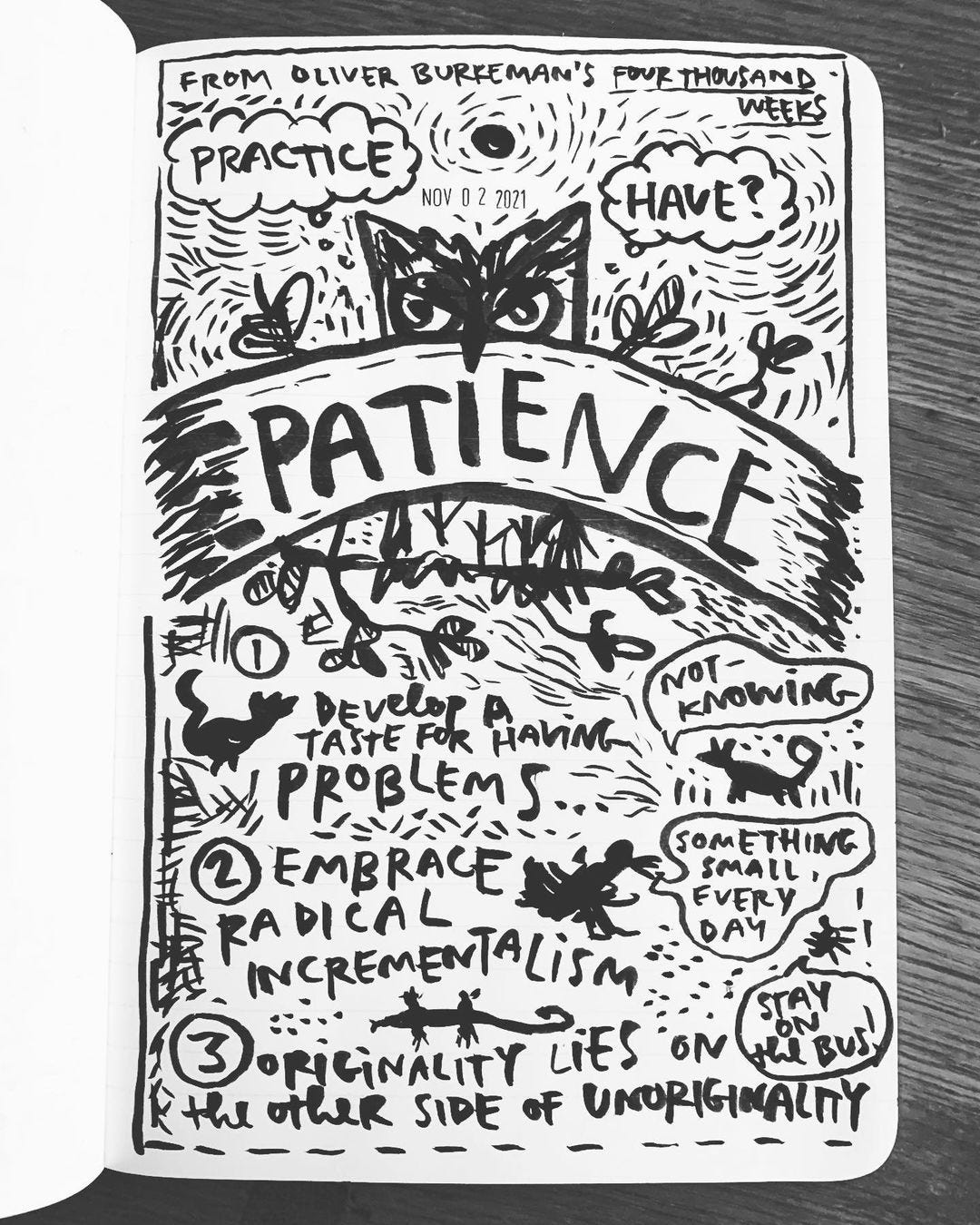
- Being Mindful: When you draw or write into a diary, create a point of bringing your attention to the present. Note how your hand goes, how the pen or pencil feels on the page, and how your comments keep coming.
- Patience and incompleteness: Instead of trying to be innocent, enjoy the process. Whatever problems or disappointments you have, and see them as part of the creative flow.
The Historical sanctuaries provide unwavering inspiration from the astonishing redwoods of places like Muir Woods worldwide to many other old types of woodland. Going on an artistic excursion into the heart of a historical forest monument is actually a rewarding experience that combines the peace of nature with the thrill of being creative.


