

The hotel market in Malaysia is changing in a big way, but not everyone sees it yet. For many years, small hotels, beach places to stay, and high-end city hotels used Online Travel Agencies (OTAs) to get people to book rooms. OTAs can get a lot of people in the door, but they also take a big part of the money with their high fees. Now, smart hotel owners are trying a new way to get bookings. They work on search engines and use new AI tools for trip planning. This helps them get more guests to book right from their own site. That way, they can keep more money from each guest.
The Evolution of Digital Discovery in the Malaysian Hospitality Industry
Traveler behavior in Southeast Asia has changed. People now plan their trips using conversations rather than just looking up simple questions online. Tourists do not just type things like “hotels in Penang” or “best resort in Langkawi” anymore. They talk to AI tools and give more detailed requests, such as “5-day relaxed trip plan in Penang with boutique eco-hotel tips.” If hotels want to reach these travelers, they need to show up well in both old search engines and new AI platforms. Working with companies that offer local SEO services in Malaysia helps hotels get found more in local searches. This can help with map listings, special web code tags, and showing up when people are looking for places nearby.
The Dual-Engine Strategy: Combining Local SEO and Generative AI Optimization

To get more direct bookings, hotels in Malaysia need to work on two types of online platforms. First, they should focus on search engine results pages, also called SERPs. Second, they need to pay attention to AI tools that help people with quick answers, like ChatGPT, Gemini, and Perplexity.
1. Capturing Local Search Intent
Local search is still key when people want to book something right away. Many travelers use Google Maps and local map packs if they need a room or something close by fast. Hotels get this kind of traffic by making sure their Name, Address, and Phone (NAP) is always the same online. They also put out local content about being close to landmarks. Getting real reviews from guests also helps them stand out.
2. Winning Recommendation Engine Algorithms
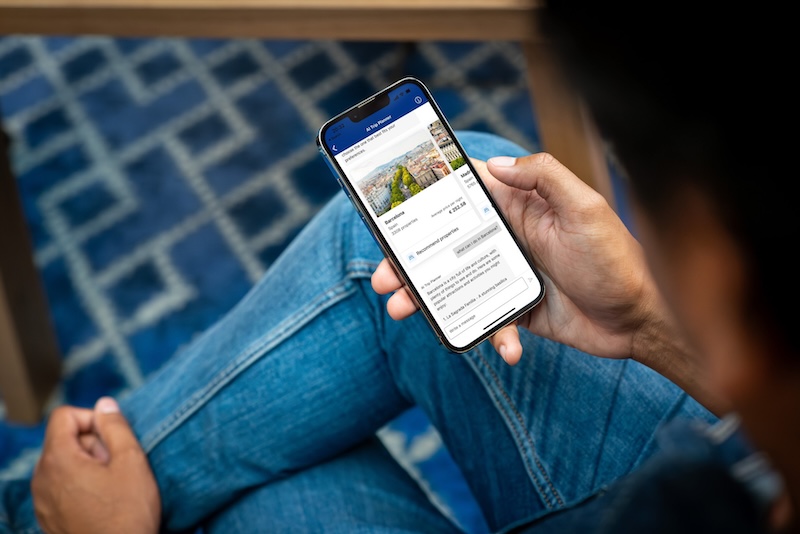
AI trip planners do not choose websites based just on keyword use. They take the user’s feelings, facts, and reviews from a lot of places to help people pick where to stay. Hotels that give the AI clear information, like what they offer, how they help the planet, and what kind of food they have, often get picked more in the AI’s suggestions for trips.
| Discovery Feature | Traditional Local Search | Generative AI Trip Planners | Direct Booking Impact |
|---|---|---|---|
| Primary Data Source | Google Business Profile & Website Metadata | Multi-source Web Scraping, Structured Data & Third-party Reviews | High intent driven by validated property facts |
| User Query Type | Short-tail keywords (e.g., Resorts in Langkawi) | Natural language prompts (e.g., Family resort in Langkawi with quiet beaches) | Targeted conversions with lower bounce rates |
| Visibility Format | Map Packs, Search Snippets & Ads | Conversational Summaries & Curated Recommendations | Highly trusted peer-style recommendations |
| Key Optimization | Local citations, geotagging, review frequency | Entity markup, clean JSON-LD, authoritative mentions | Reduces dependence on high-commission OTAs |
Optimizing Property Assets for AI and Direct Conversions
Malaysian hotels direct bookings AI search
Winning direct bookings means you need to make it easy for people to book after they find your hotel. If an AI trip planner tells someone about a resort, or if a search result brings a traveler to a hotel’s website, the step to booking should feel smooth. There should be no issues in the booking process.
Hotels do this by putting real-time booking tools right on their landing pages. They also give best-rate assurances and special direct booking deals, like free breakfast or late check-out. Plus, with schema structured data (including Hotel, Room, and Offer schema), Google and AI can quickly pull up available prices, room types, and features. This helps make sure there is no mix-up.
Navigating the Future of Hospitality Search
As conversational AI tools keep changing the way people look for and book trips around the world, Malaysian hotel brands should not stick to old ways of marketing. It is good to use a strong search plan, add clear data, and have a strong local name to bring in more direct guests. When hotels use up-to-date digital marketing methods and get help from digital growth experts at rankpage.com.my, they can increase their digital strength, get more direct bookings, and not have to depend so much on third-party booking sites.


