

Stress, disrupted sleep and irregular eating habits can all affect digestive health. At Kamalaya Wellness Sanctuary, detox and gut renewal programs address these interconnected factors through personalised nutrition, traditional healing practices and therapies designed to support relaxation and the body’s natural detoxification processes.
Rather than focusing on restrictive cleanses, Kamalaya in Koh Samui, encourages guests to adopt sustainable habits that support digestion, recovery and overall wellbeing. Its approach considers the relationship between the digestive system, metabolism, nervous system and emotional health.
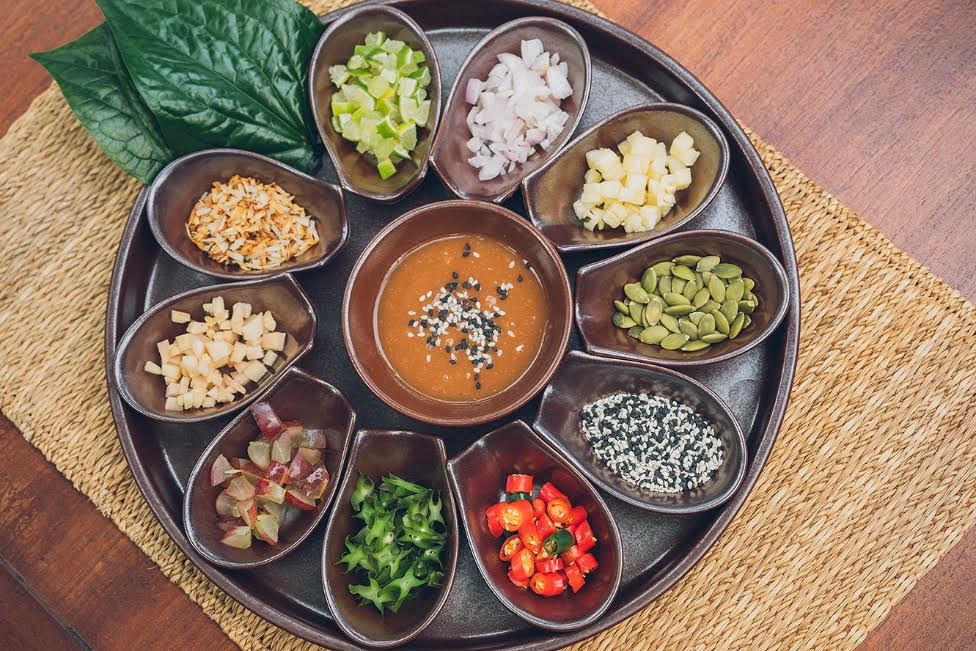
Kamalaya’s nutrient-rich, plant-based cuisine helps nourish the body and support digestive health
“At Kamalaya, we have always believed that wellbeing is about looking at the individual as a whole. The body, mind and emotions are deeply interconnected, and meaningful improvements in health come from understanding these relationships. Detoxification is therefore not simply about changing what we eat or eliminate, but about creating the right conditions for the body to restore its natural balance. Through personalised nutrition, traditional healing practices, restorative therapies and lifestyle guidance, we aim to support the body’s natural processes while helping guests develop healthier habits that extend well beyond their stay,” says Gopal Kumar, General Manager and Group Director of Wellness Development at Kamalaya.
Kamalaya draws on Traditional Chinese Medicine, Ayurveda, naturopathy and nutritional science, complemented by movement, yoga, meditation, breathwork and therapeutic treatments.
Its four specialised detox and gut renewal programs combine individual nutritional guidance, naturopathic expertise and complementary therapies. Kamalaya’s predominantly plant-based cuisine emphasises nutrient-dense whole foods to support digestive and metabolic health.

Kamalaya’s personalised detox therapies combine traditional healing practices with a holistic approach to wellbeing
Tarannum Renavikar (Tara), Naturopath at Kamalaya, says effective detoxification means supporting the body’s existing processes rather than forcing a cleanse.
The liver, kidneys and digestive system continuously process and eliminate waste. Balanced meals with adequate protein, fibre and healthy fats, alongside regular activity and sufficient sleep, help support these functions. Periods of overindulgence or prolonged stress can disrupt digestive comfort and recovery. Kamalaya therefore places equal emphasis on easing nervous system stimulation through rest and restorative practices.
Yoga, pranayama (breathwork), meditation, mindful movement and therapeutic treatments complement nutritional guidance and help guests develop habits they can maintain at home. As Tara explains, “The best reset isn’t the one you repeat every few months. It’s the one that helps you build habits you no longer need to reset from.”
Kamalaya’s Detox and Enriched Gut programs offer personalised support for digestive health and longer-term lifestyle changes. A full overview of the programs, including treatments and therapies, can be found here.

